Complete Thailand: Bangkok, Kanchanaburi & River Kwai, Northern Thailand
Itinerari consigliati12 Giorni
Bangkok, Thailandia
Bangkok›Fiume Kwai›Kanchanaburi›Chiang Rai›Chiang Mai
Servizi
Esperienze
città
cultura e tradizione
natura
paesaggi
popolazioni locali
4 Destinazioni
Itinerario del Tour
Caricamento mappa...
Itinerary
Giorno 2 — Bangkok
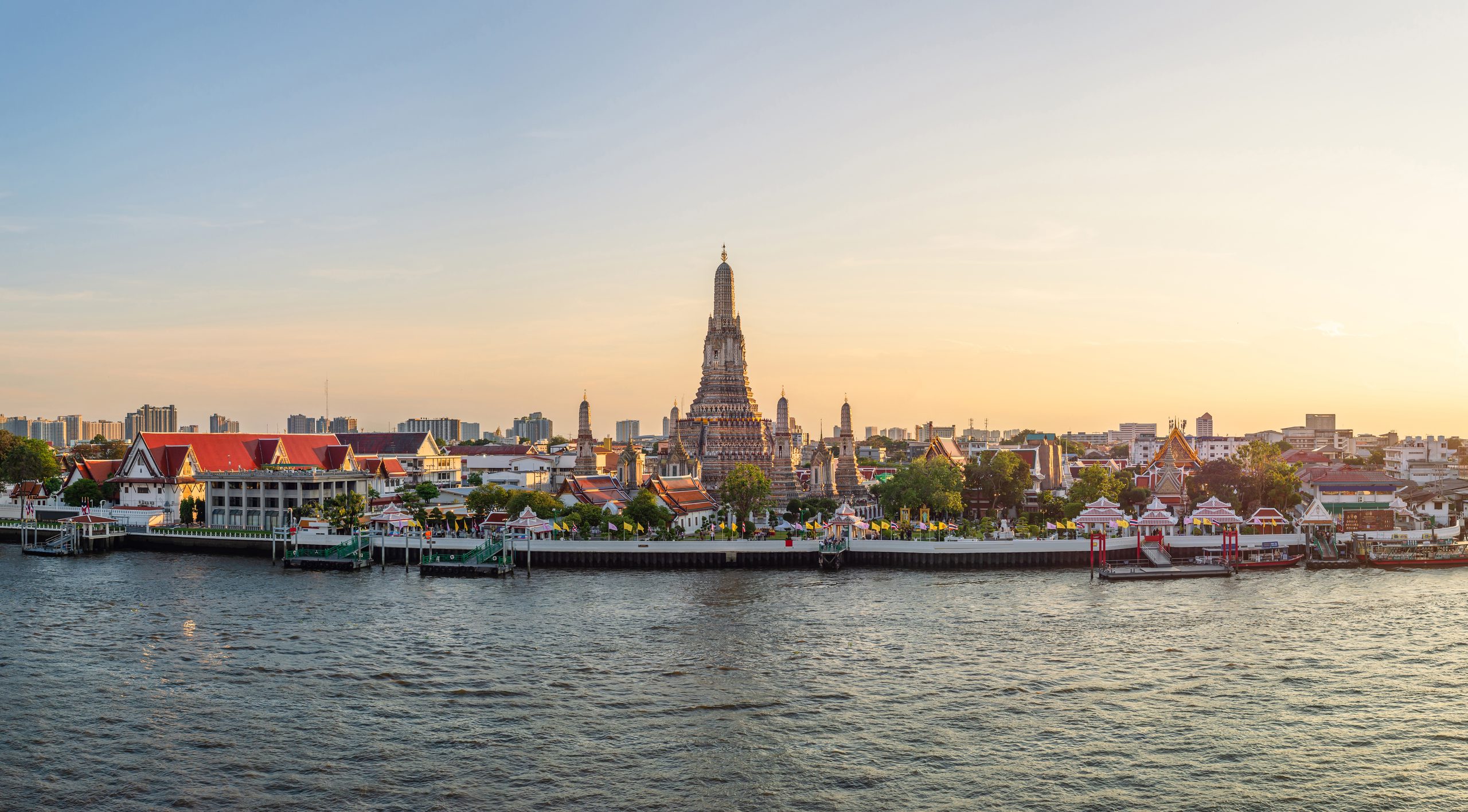
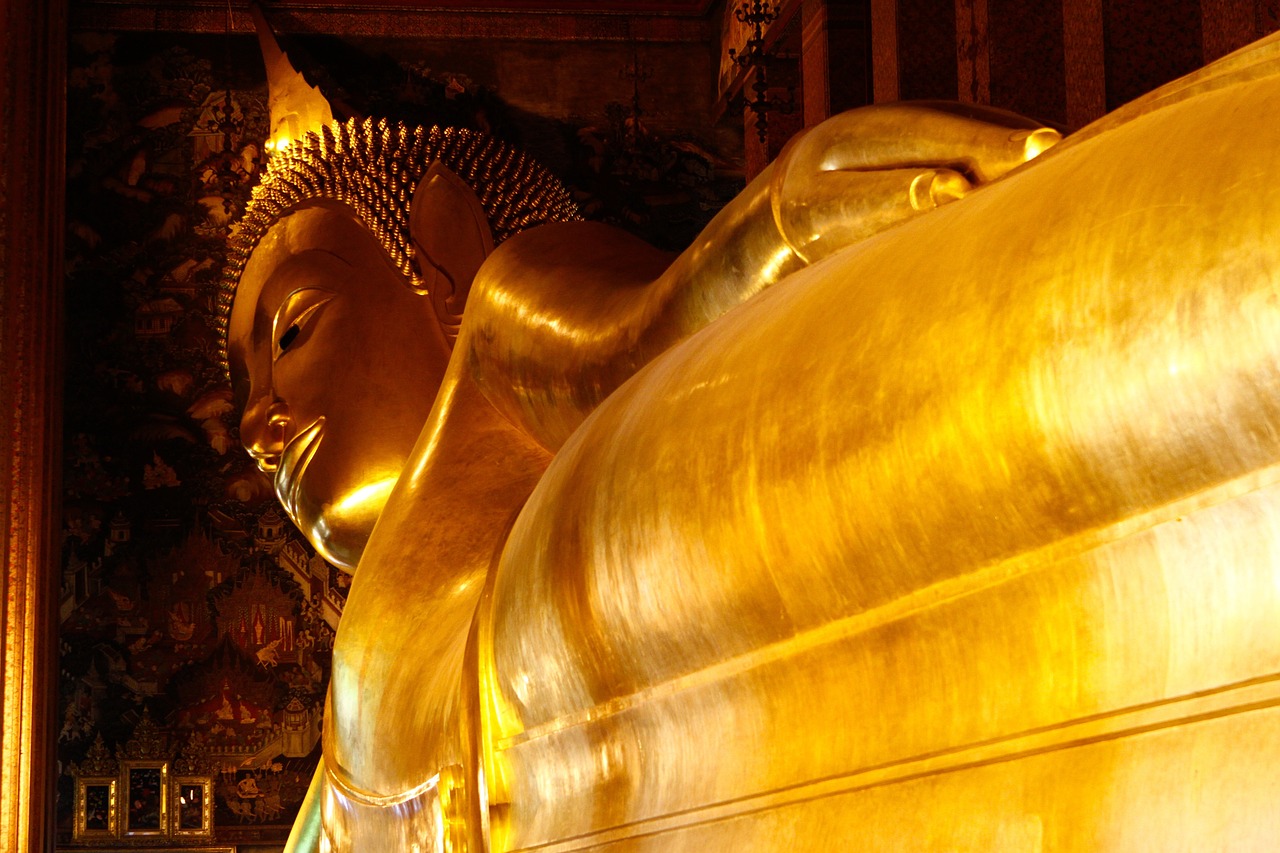
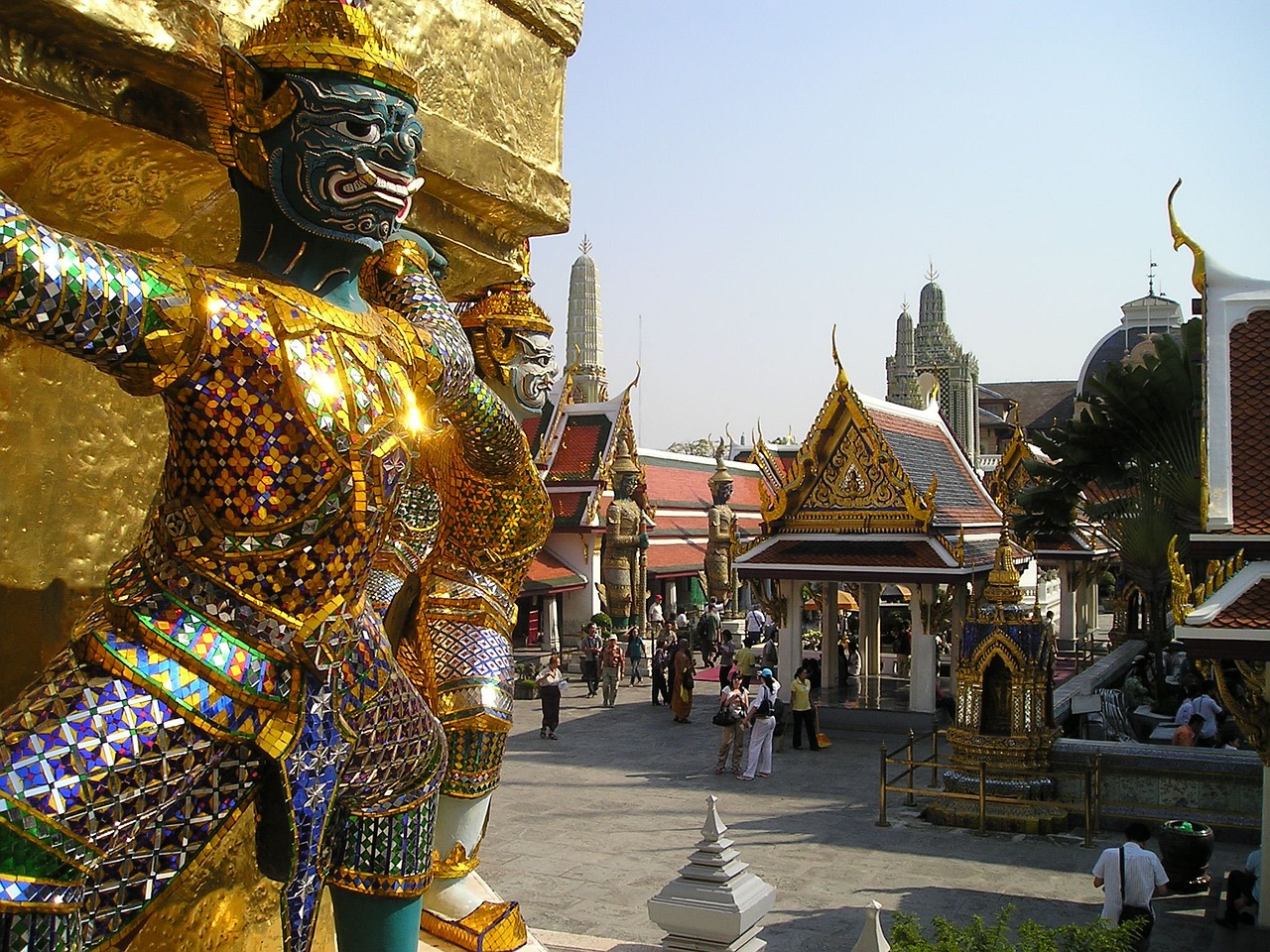
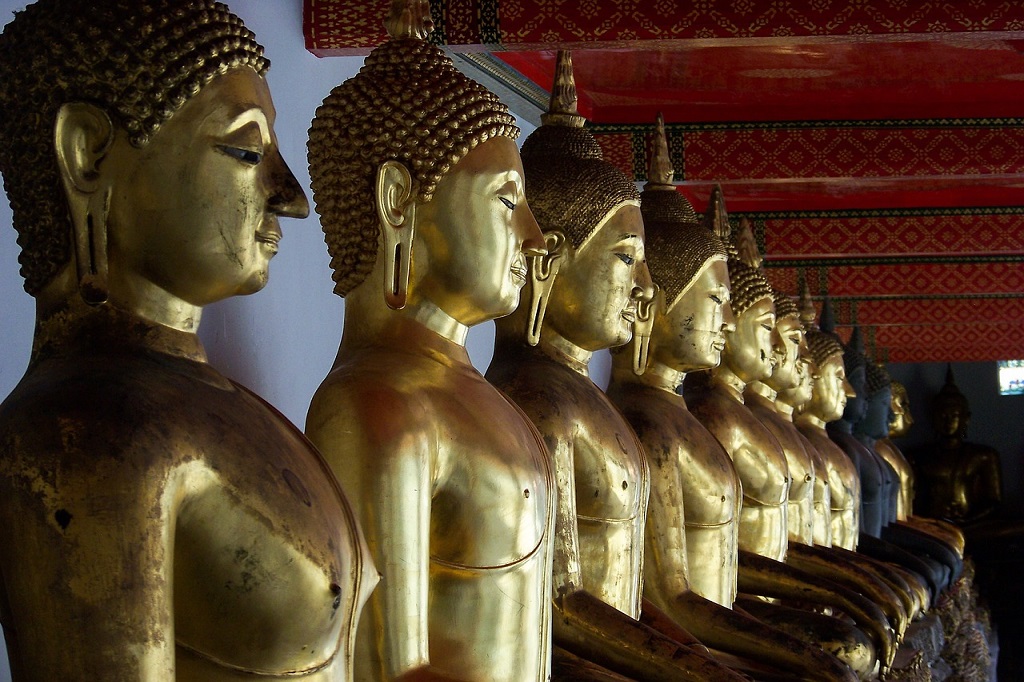
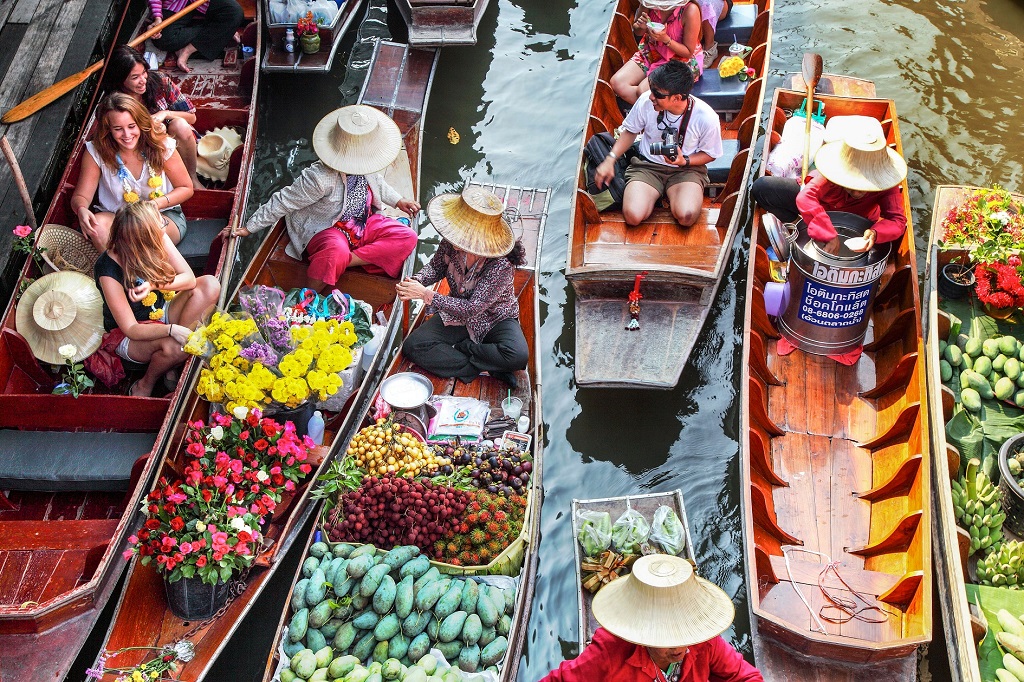
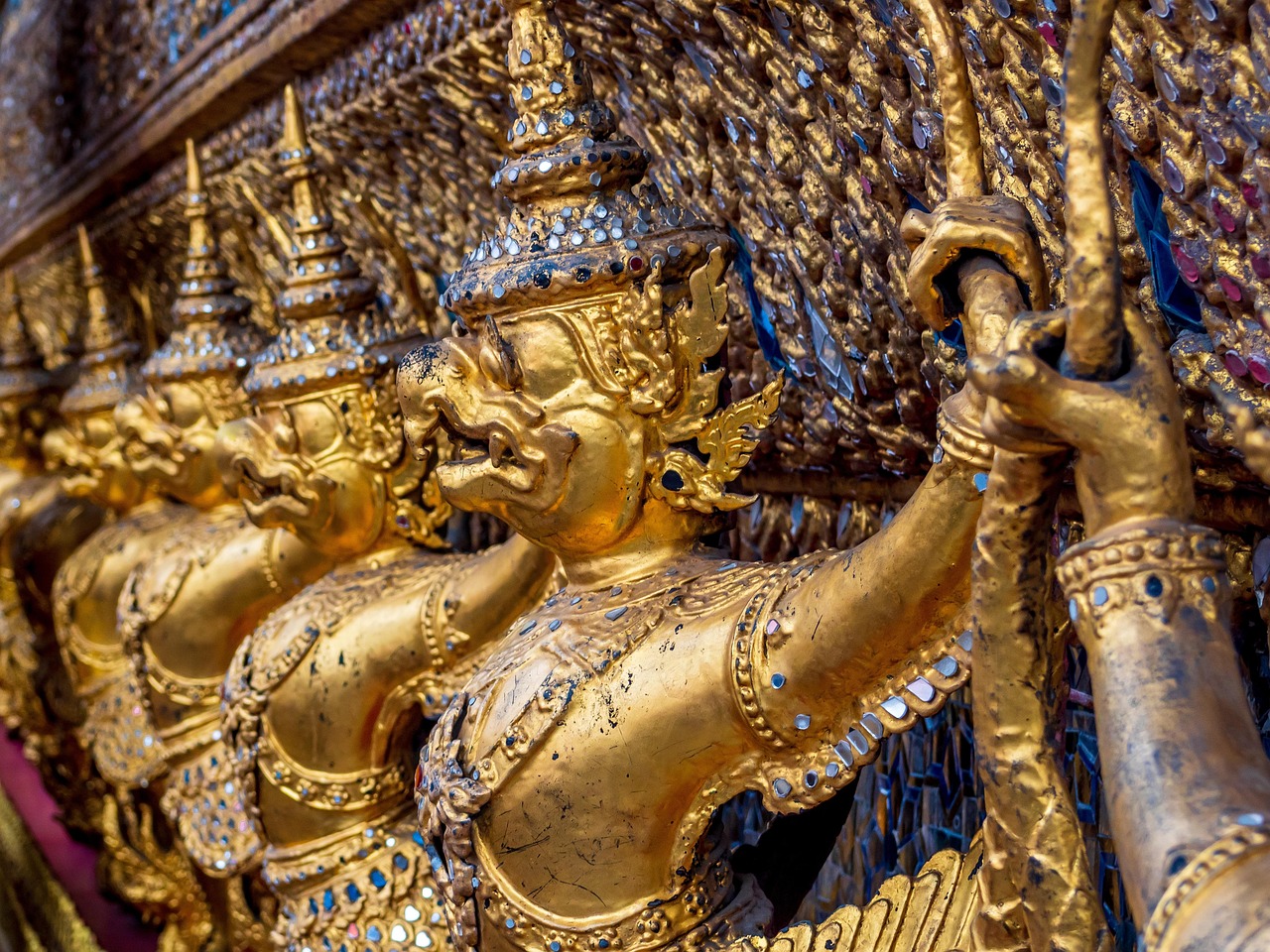
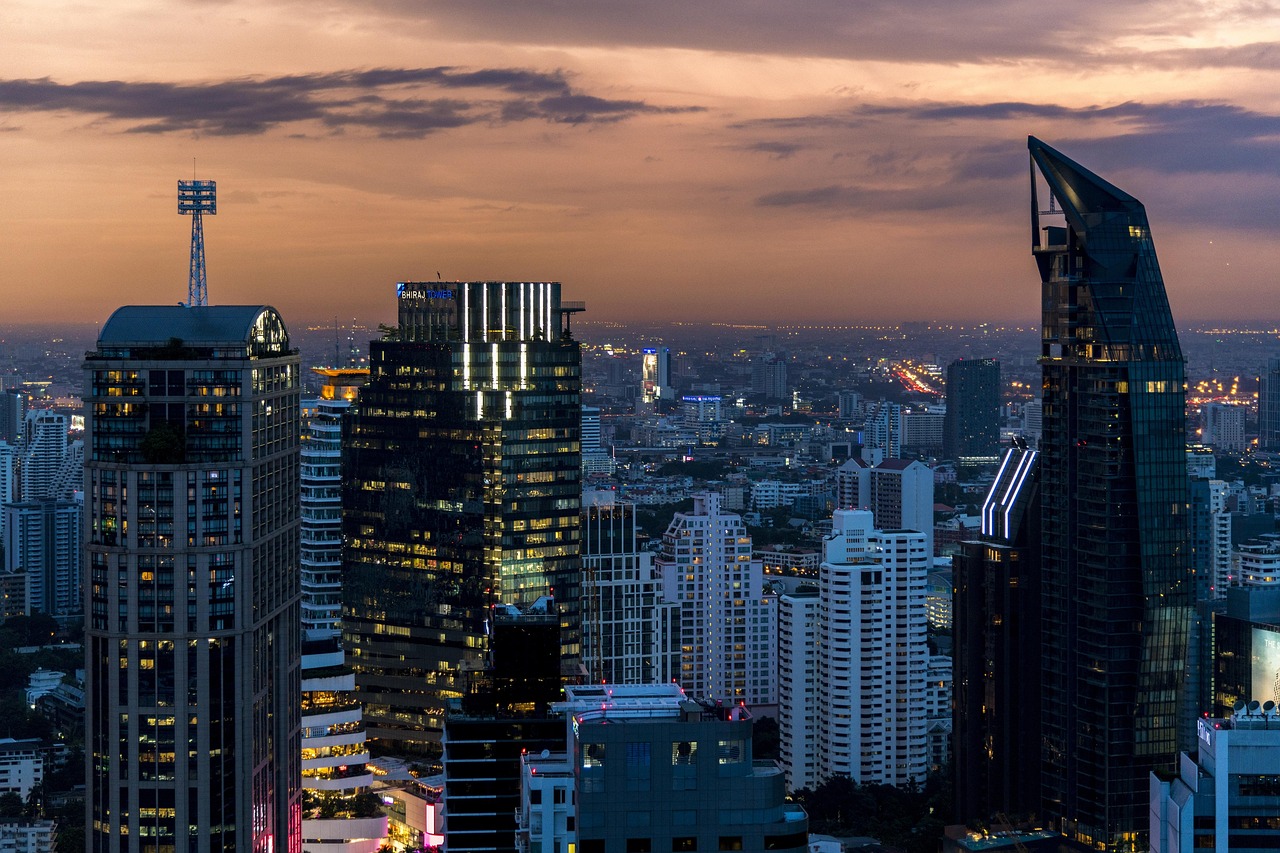
Bangkok is the frenetic, captivating heartbeat of Thailand, a metropolis where glass towers mirror in the canals and the gold of temples gleams beside the night markets. Its historic core is Rattanakosin, the island wrapped in a bend of the Chao Phraya River: here stands the Grand Palace, a dazzling royal complex that houses Wat Phra Kaew, the Temple of the Emerald Buddha, the country’s most revered image. A few steps away, Wat Pho shelters the colossal Reclining Buddha, forty-six metres long and sheathed in gold leaf, along with the city’s oldest school of traditional massage. On the far bank rises Wat Arun, the Temple of Dawn, its slender prang clad in porcelain that catches the sunset light. Travelling up the Chao Phraya by boat, you cross an amphibious city studded with jetties, floating markets and districts such as Thonburi, where the canals tell the story of old Bangkok. To the north, Dusit preserves royal palaces and broad avenues, while Chinatown, along Yaowarat Road, is a maze of gold shops, herbalists and street-food stalls that by night become a teeming stage of aromas. The capital’s modern face pulses instead at Siam and Sukhumvit, among futuristic malls, rooftop bars suspended in the sky and the buzz of Chatuchak market, where thousands of stalls sell everything imaginable. The food is one of the great reasons to come: pad thai, tom yum, fragrant curries and coconut sweets enjoyed at street tables or in refined restaurants. Bangkok is not so much visited as ridden like a wave: chaotic, generous, unforgettable.
Auto
Giorno 5 — Bangkok → Fiume Kwai
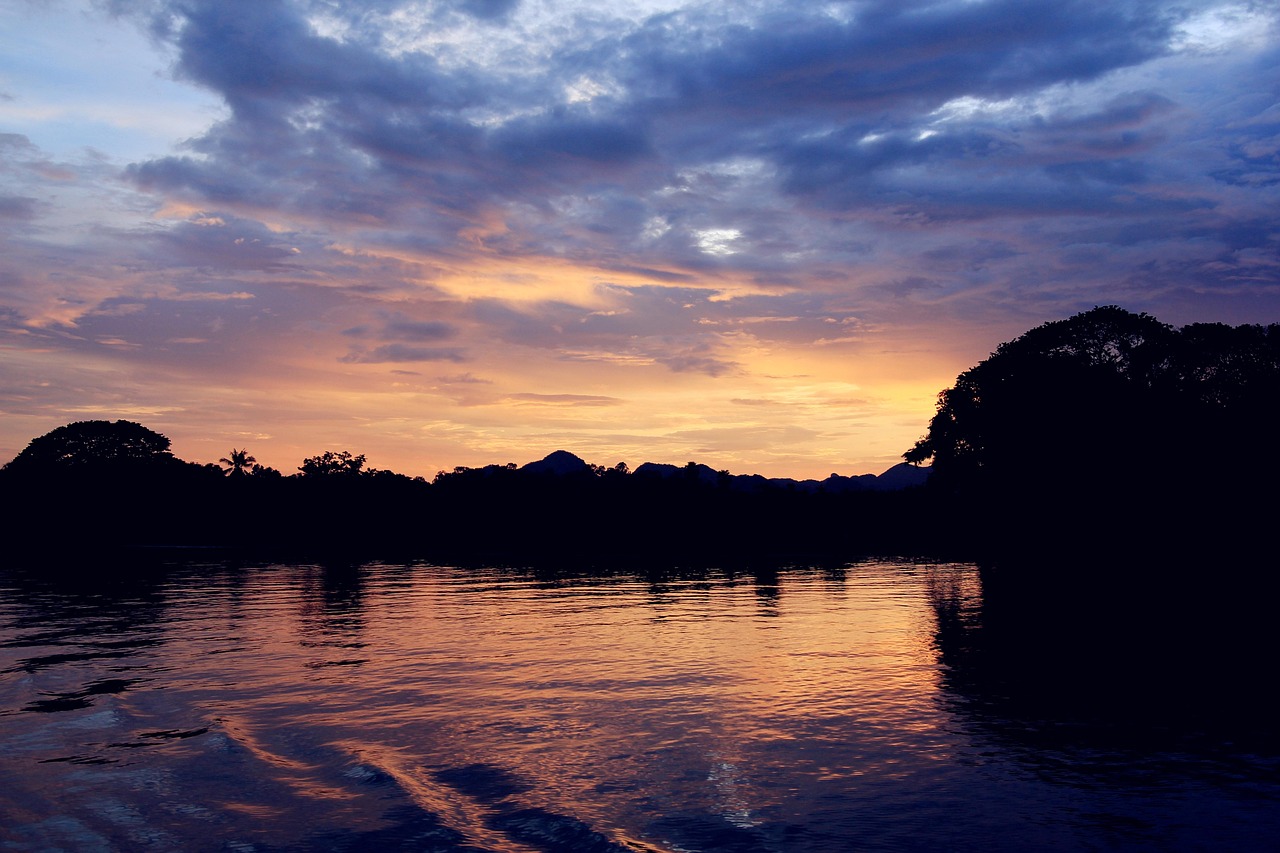
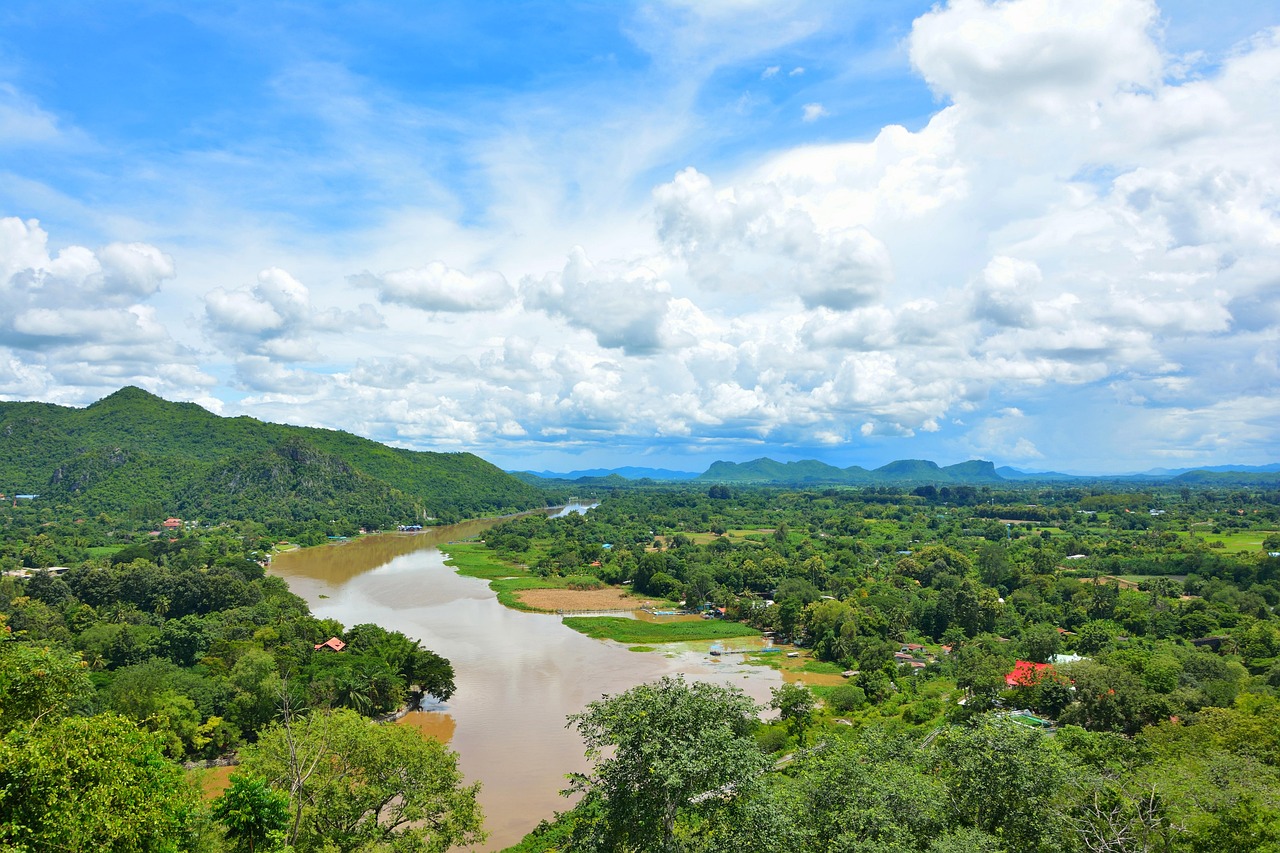
The River Kwai flows among the wooded hills of Kanchanaburi province, in a landscape of emerald water and tropical forest. Its name is bound to the memory of the Second World War and the infamous “Death Railway”, built by Allied prisoners: the famous railway bridge that crosses it is today a place of pilgrimage and reflection. Along its banks, floating hotels and raft houses offer a stay suspended over the water, amid silence and nature. Nearby, waterfalls such as Erawan, caves and national parks invite jungle excursions. Charged with history and peace, the River Kwai unites emotion and natural beauty.
Auto
Giorno 6 — Fiume Kwai → Kanchanaburi → Bangkok
Kanchanaburi is a town in western Thailand ringed by rivers, mountains and forests, famous the world over for its bridge over the River Kwai. Here ran the “Death Railway”, built during the Second World War, of which remain the bridge, the museums and the moving war cemeteries that honour the Allied prisoners. Yet the province is also splendid nature: Erawan National Park guards a seven-tiered waterfall with turquoise pools, while caves and parks invite jungle excursions. Along the river, raft houses and floating hotels offer a stay in touch with the water. Between memory and beauty, Kanchanaburi both moves and enchants.
Volo
Giorno 7 — Bangkok → Chiang Rai
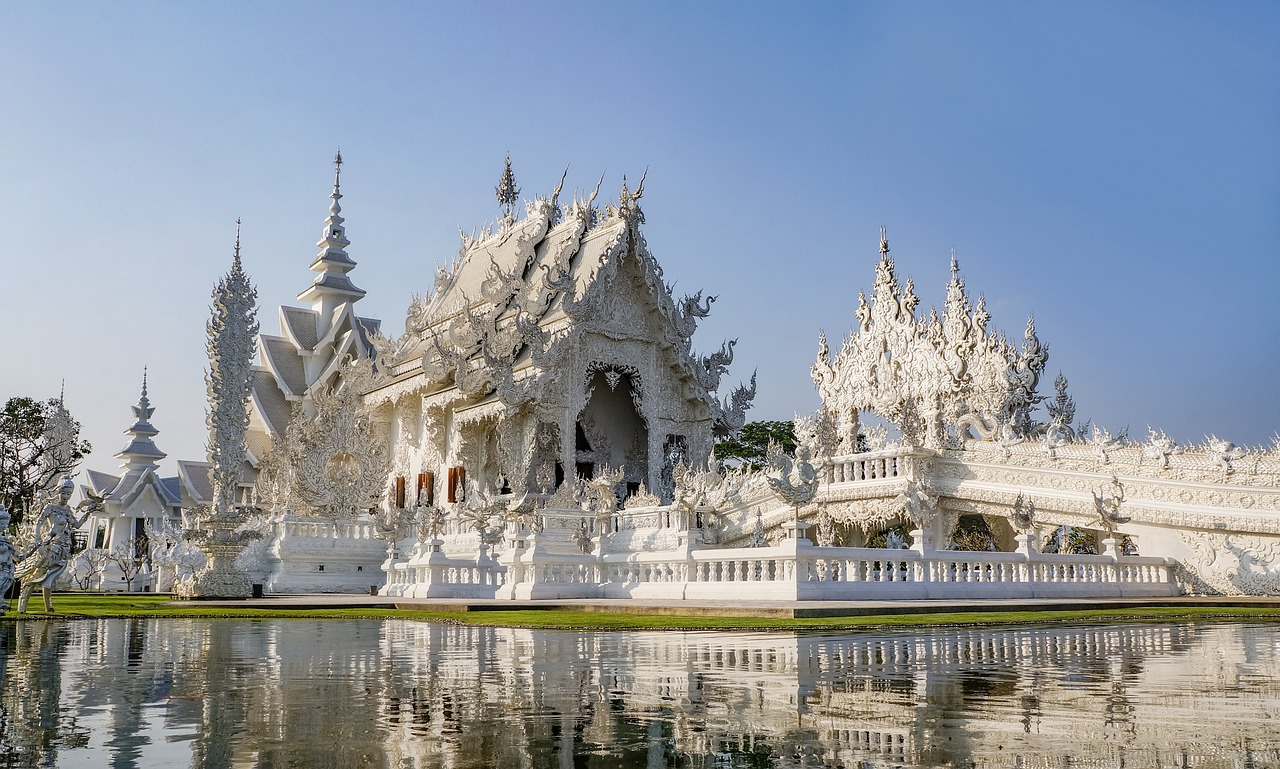
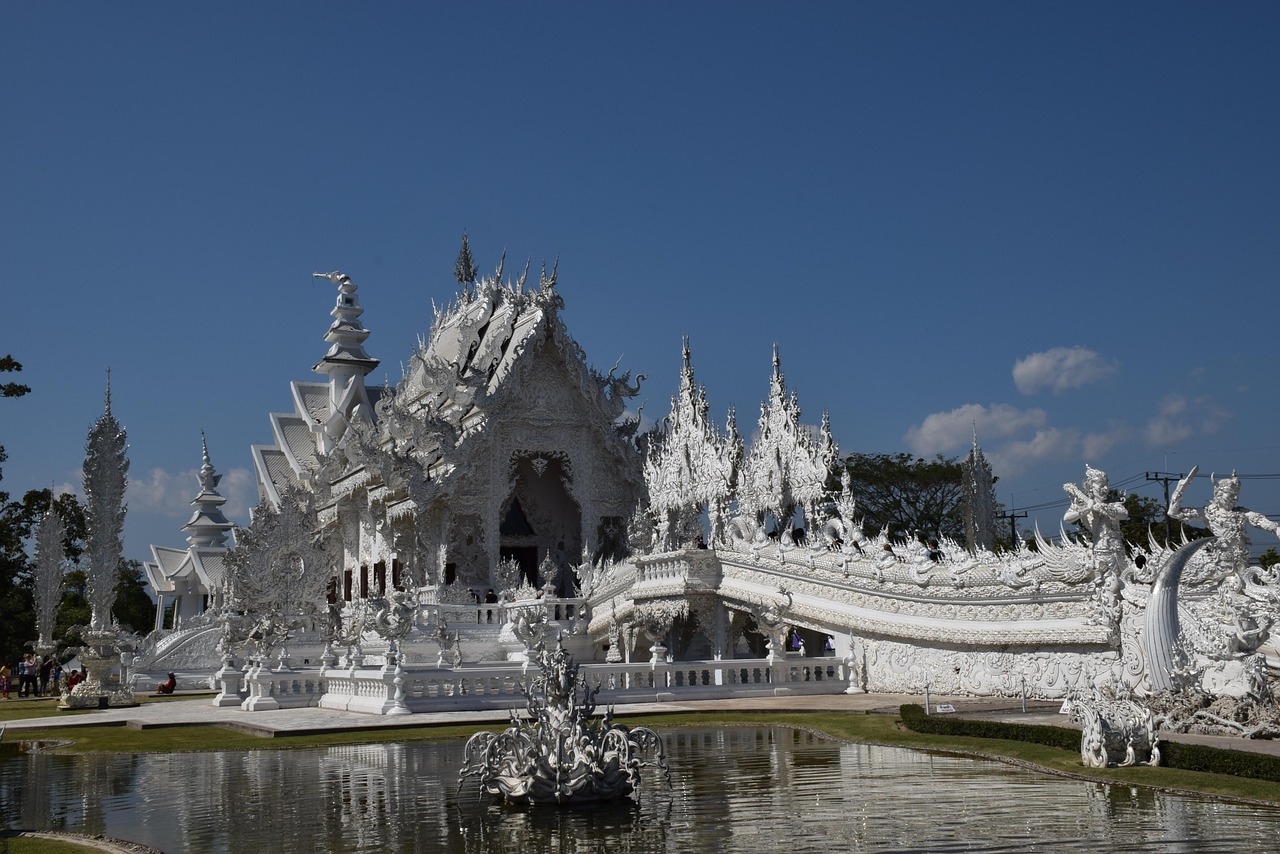
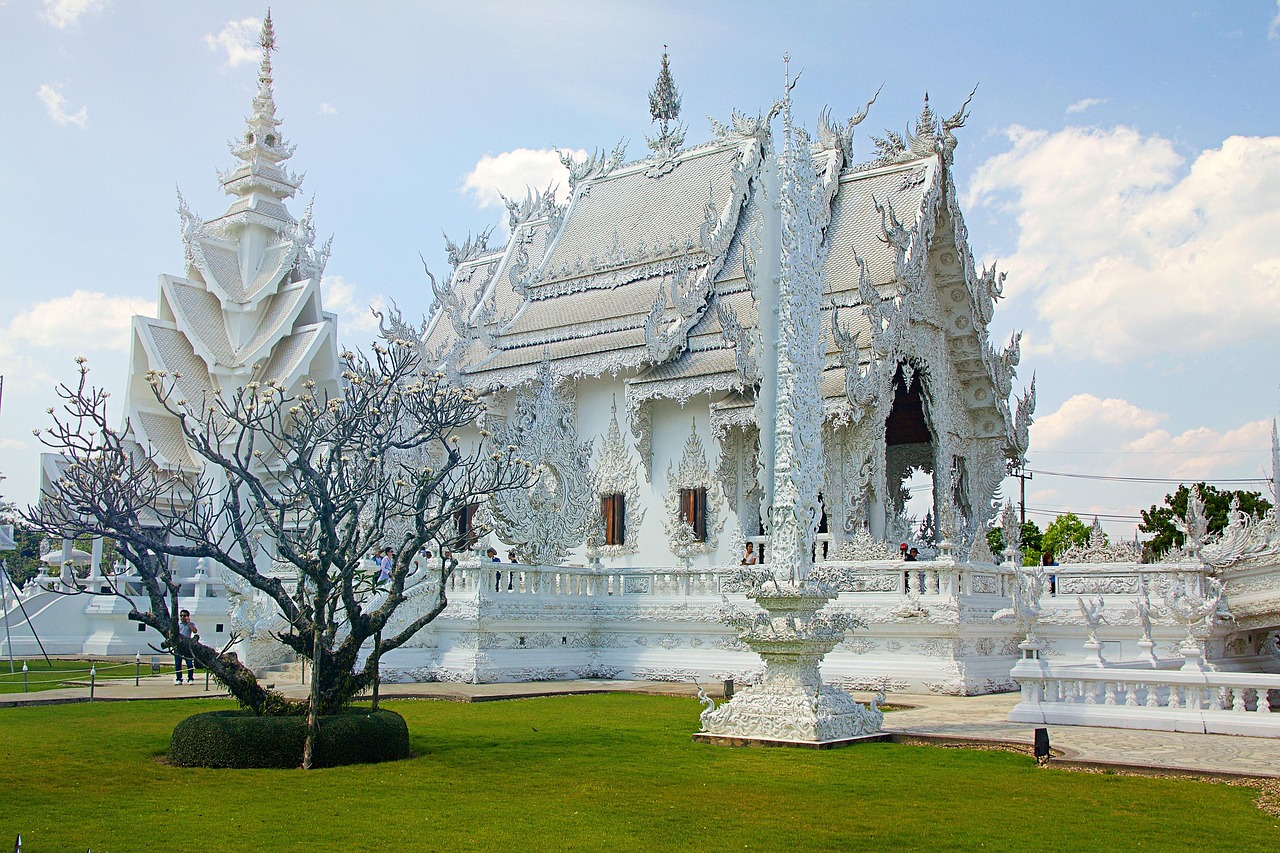
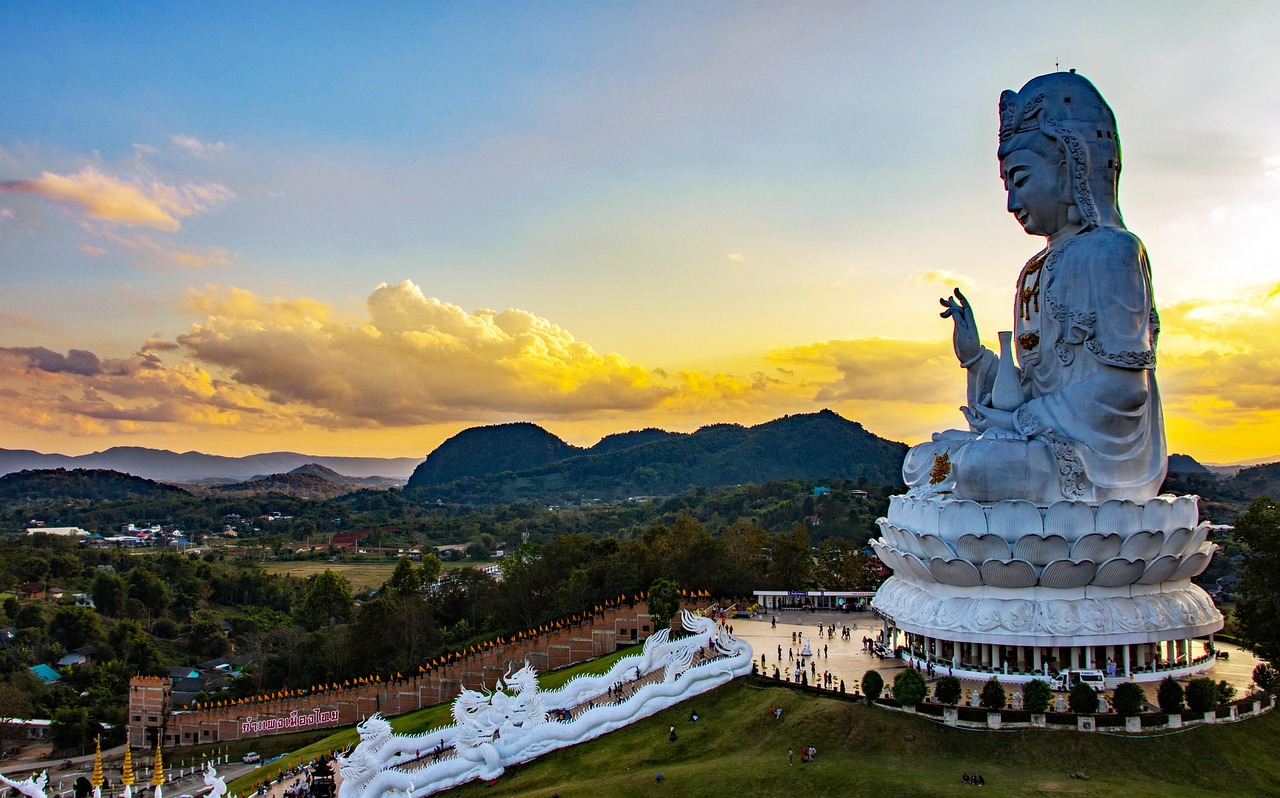
Chiang Rai watches over Thailand’s far north, a gateway city to the Golden Triangle where the borders with Myanmar and Laos meet along the Mekong River. Its icon is Wat Rong Khun, the famous White Temple, a contemporary work all whiteness and mirrors that fuses Buddhist tradition with surreal vision. By contrast, the Blue Temple, Wat Rong Suea Ten, wraps visitors in deep cobalt, while the Black House of Baan Dam holds an unsettling art collection. All around open hills planted with tea and villages of ethnic minorities, reached on excursions that reveal another, more rural and silent Thailand. A crossroads of cultures and borders, Chiang Rai surprises at every turn.
Auto
Giorno 9 — Chiang Rai → Chiang Mai
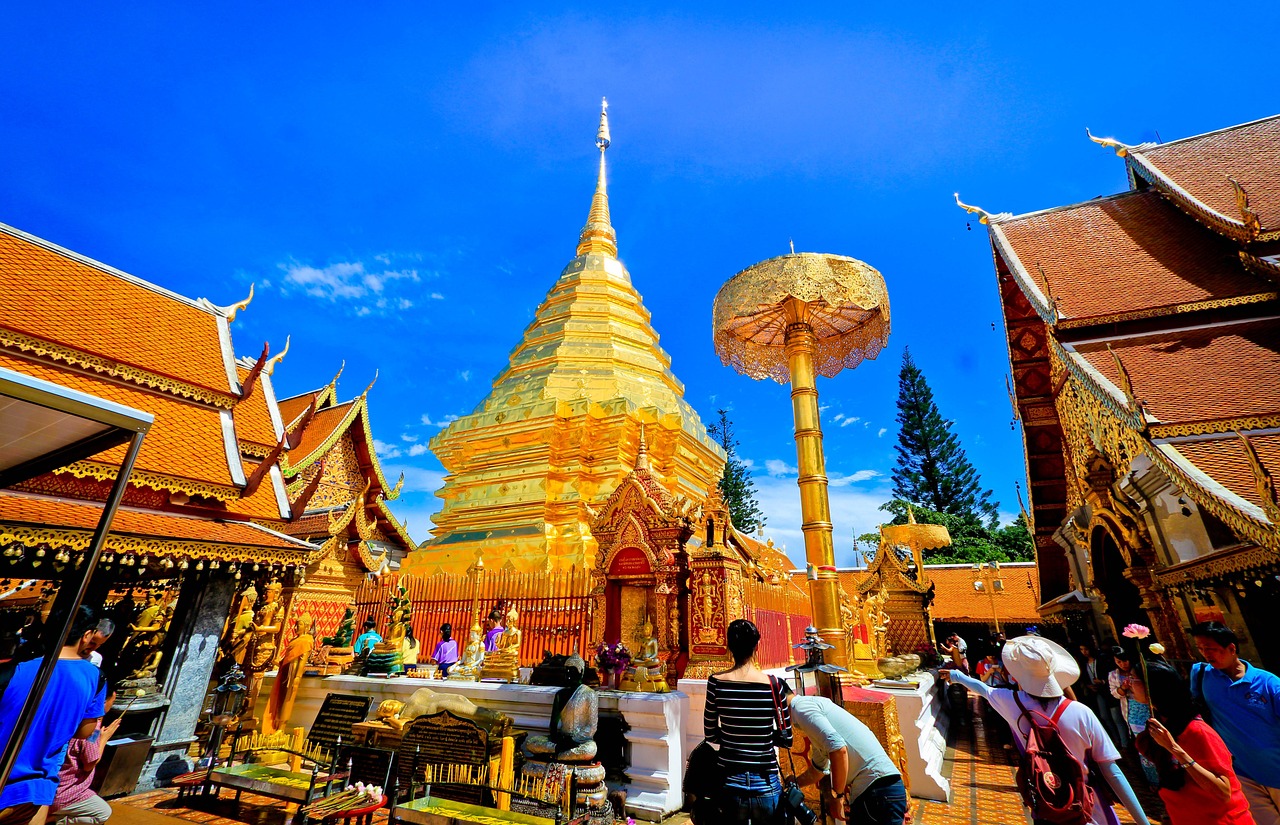
Chiang Mai guards the northern soul of Thailand, the ancient capital of the Lanna kingdom ringed by green mountains and rice fields. Its old town, enclosed by walls and moats, is a maze of lanes dotted with more than thirty temples: Wat Chedi Luang with its great brick stupa, the gilded Wat Phra Singh and the intimate Wat Chiang Man, the city’s oldest. High above the valley, on Doi Suthep mountain, the sacred Wat Phra That is reached by a naga-flanked staircase and rewards visitors with a view that sweeps across the whole plain. By evening the markets come alive: the night bazaar and the famous Sunday Walking Street fill the streets with handicrafts, lanterns and northern cooking such as khao soi, a coconut noodle curry. Between elephant sanctuaries, cooking classes and trips to the hill-tribe villages, Chiang Mai is the serene gateway to the deep north.