Giorno 1 — Lisbona → Evora
Set along the Tagus estuary and shaped by centuries of history, Lisbon is a luminous and vibrant capital where Atlantic light, river landscapes and urban life merge into a city of hills, viewpoints and distinct neighbourhoods. Its mild, sunny climate makes it ideal to explore on foot, moving through steep streets, historic trams and sudden openings over the water.
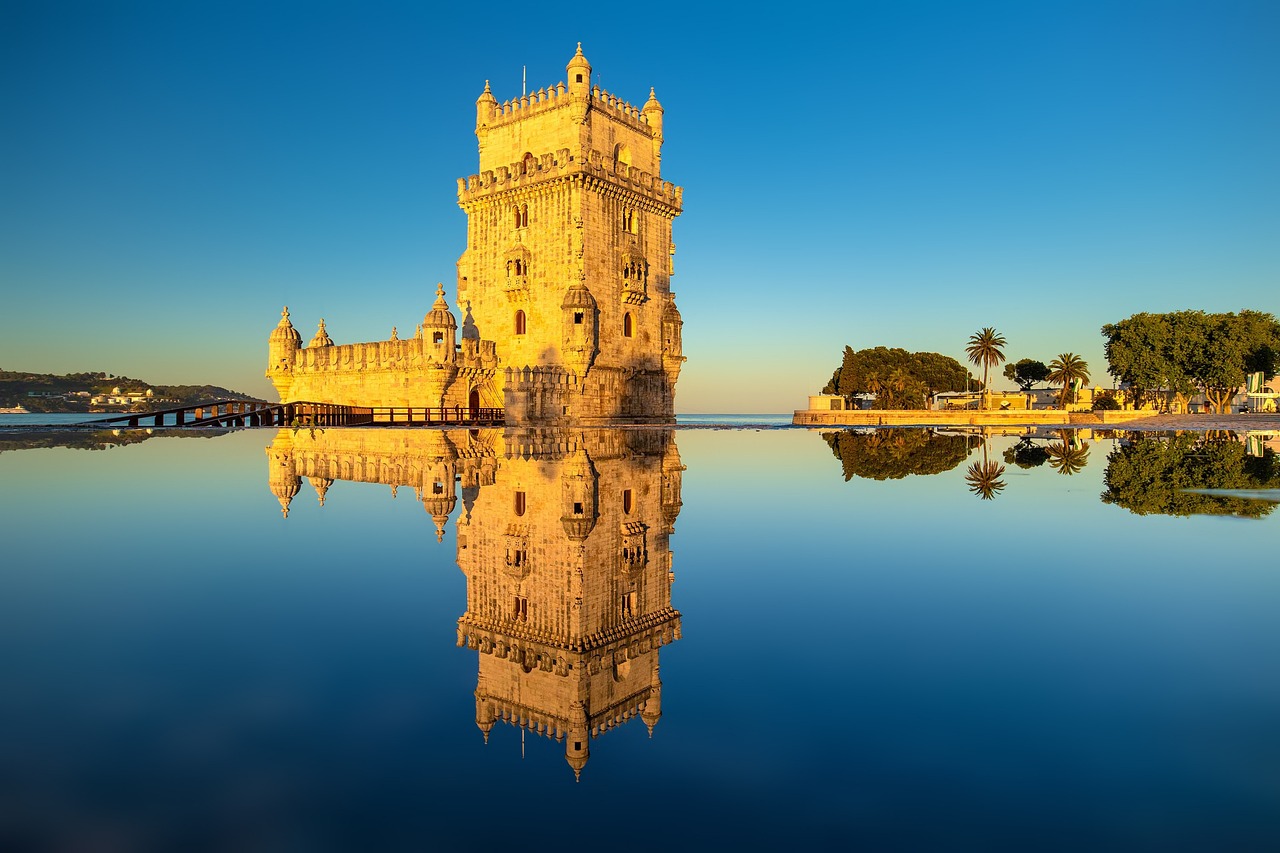
The historic and commercial heart is Baixa Pombalina, rebuilt after the devastating 1755 earthquake through one of Europe’s earliest modern urban planning projects. Here, the lively Rossio Square connects to the grand Praça do Comércio, opening directly onto the river and inviting long walks along the Tagus waterfront. From here, the city rises toward Chiado, an elegant cultural district filled with historic cafés, then continues to Bairro Alto, where a mix of old buildings, narrow streets and a dense nightlife create one of Europe’s most energetic evening scenes, with restaurants, bars and theatres side by side. Along the riverfront, Cais do Sodré has become a key nightlife hub, while the Avenidas Novas area, stretching between Saldanha, Entrecampos and Marquês de Pombal, represents the city’s modern axis, with tree-lined boulevards, shops and Avenida da Liberdade, where international brands stand next to traditional pastry shops. Lisbon’s most authentic soul appears in Alfama, a maze of narrow alleys, tiled façades and the sound of fado music flowing from small taverns, a tradition recognised by UNESCO as Intangible Cultural Heritage. From here, São Jorge Castle overlooks the city, while Mouraria and Madragoa preserve a more local and traditional atmosphere. To the west, Belém reflects Portugal’s Age of Discoveries with the Jerónimos Monastery and Belém Tower, both UNESCO World Heritage Sites, alongside the Monument to the Discoveries. This is also the birthplace of the iconic pastel de nata, one of the city’s most famous culinary symbols.
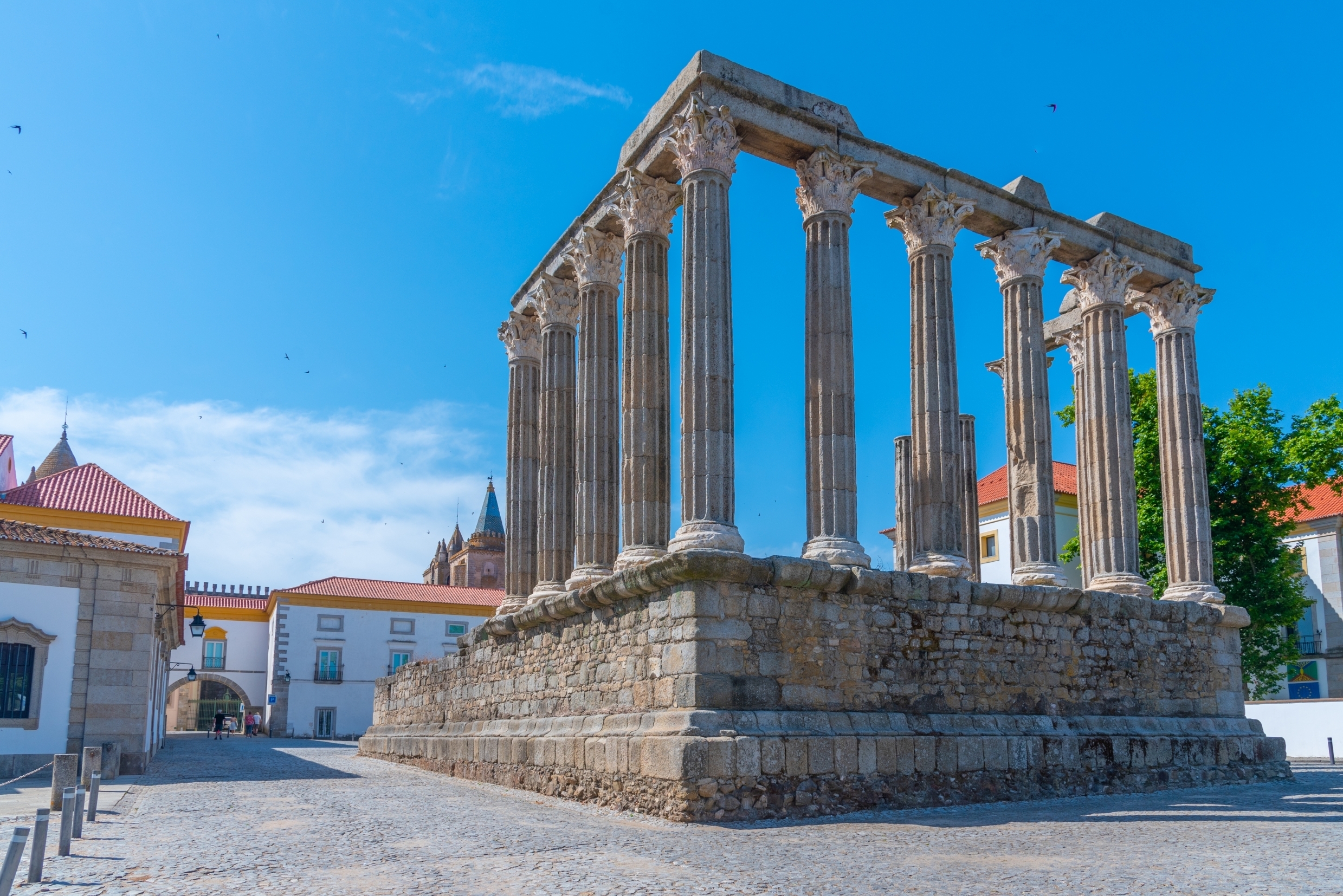
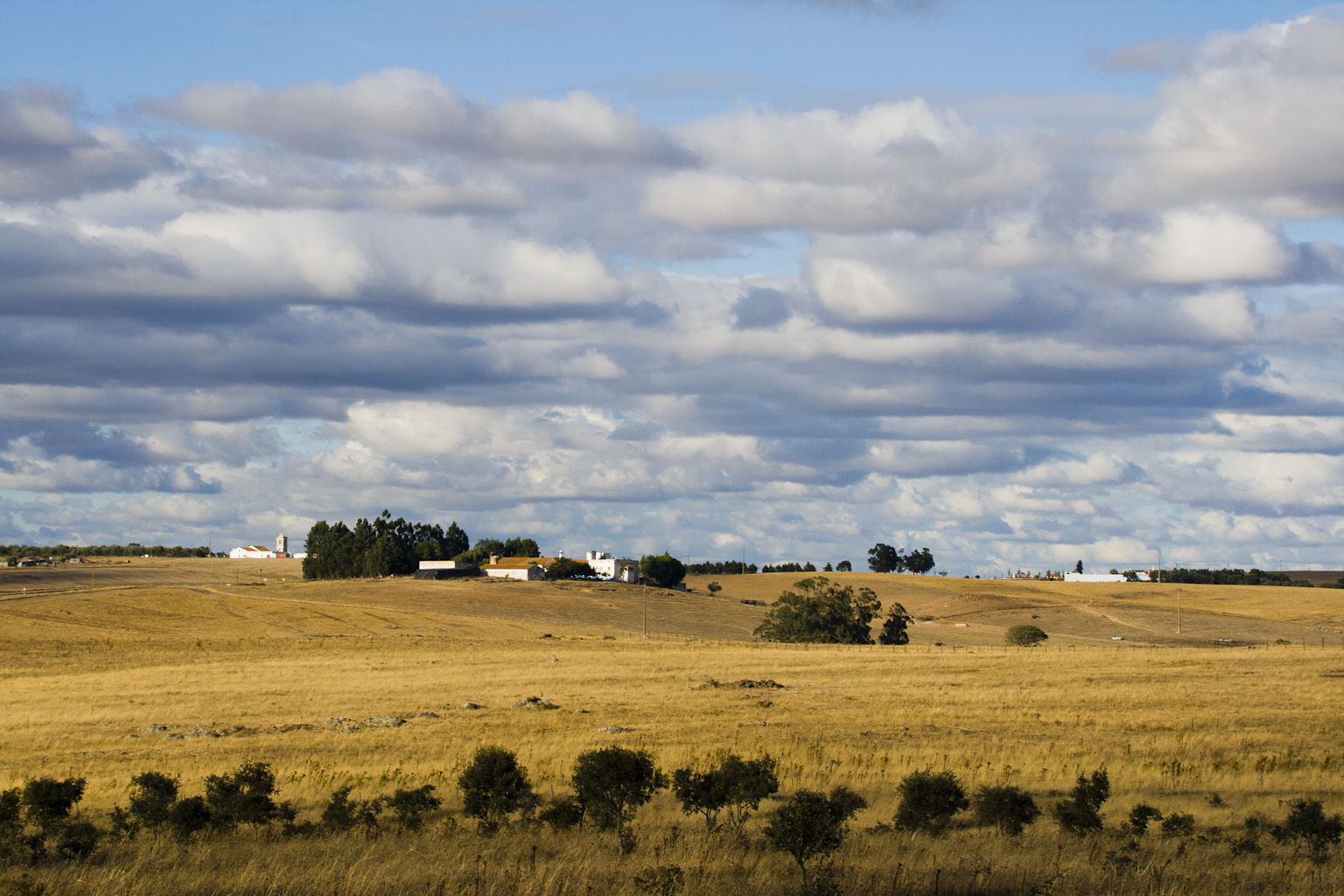
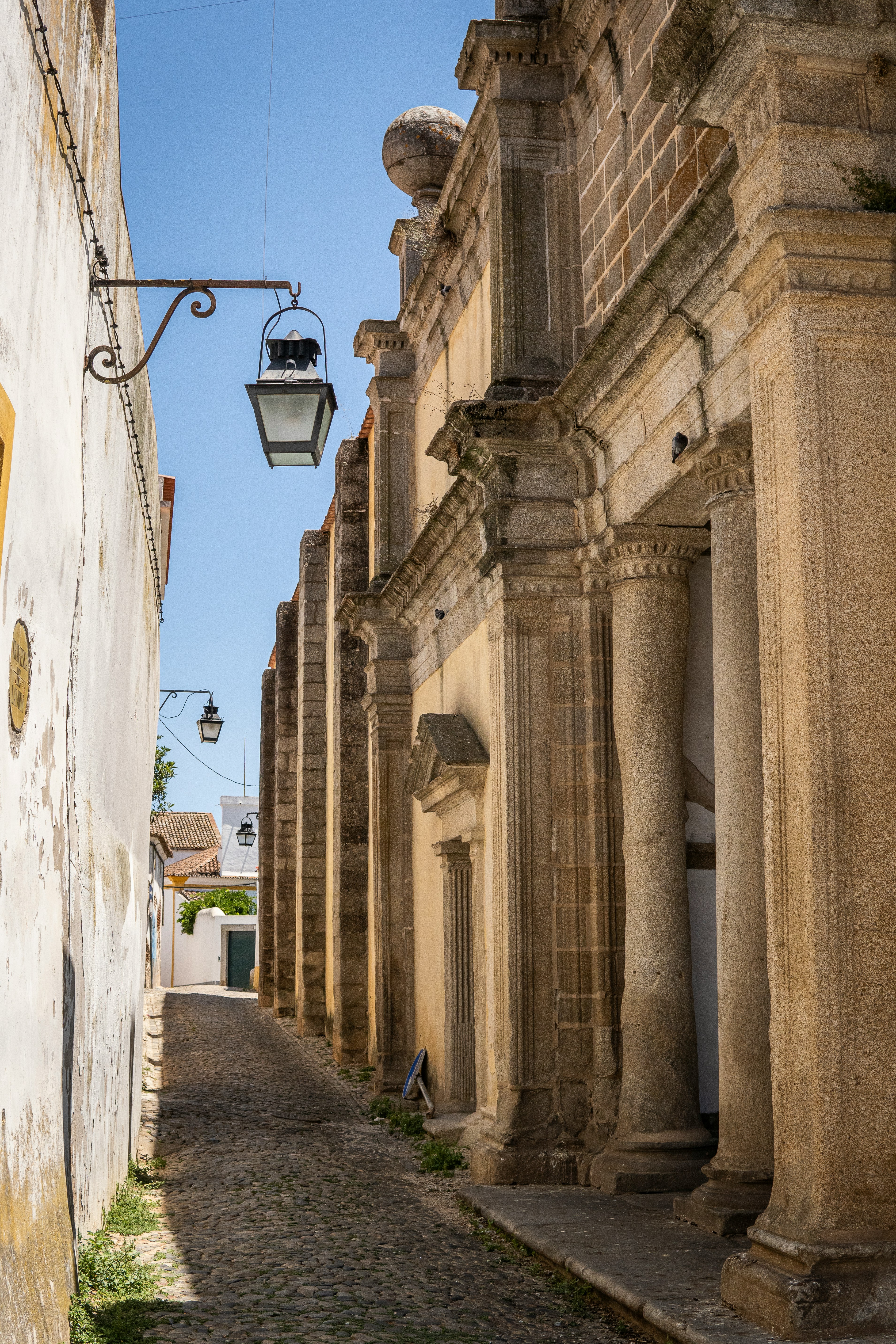
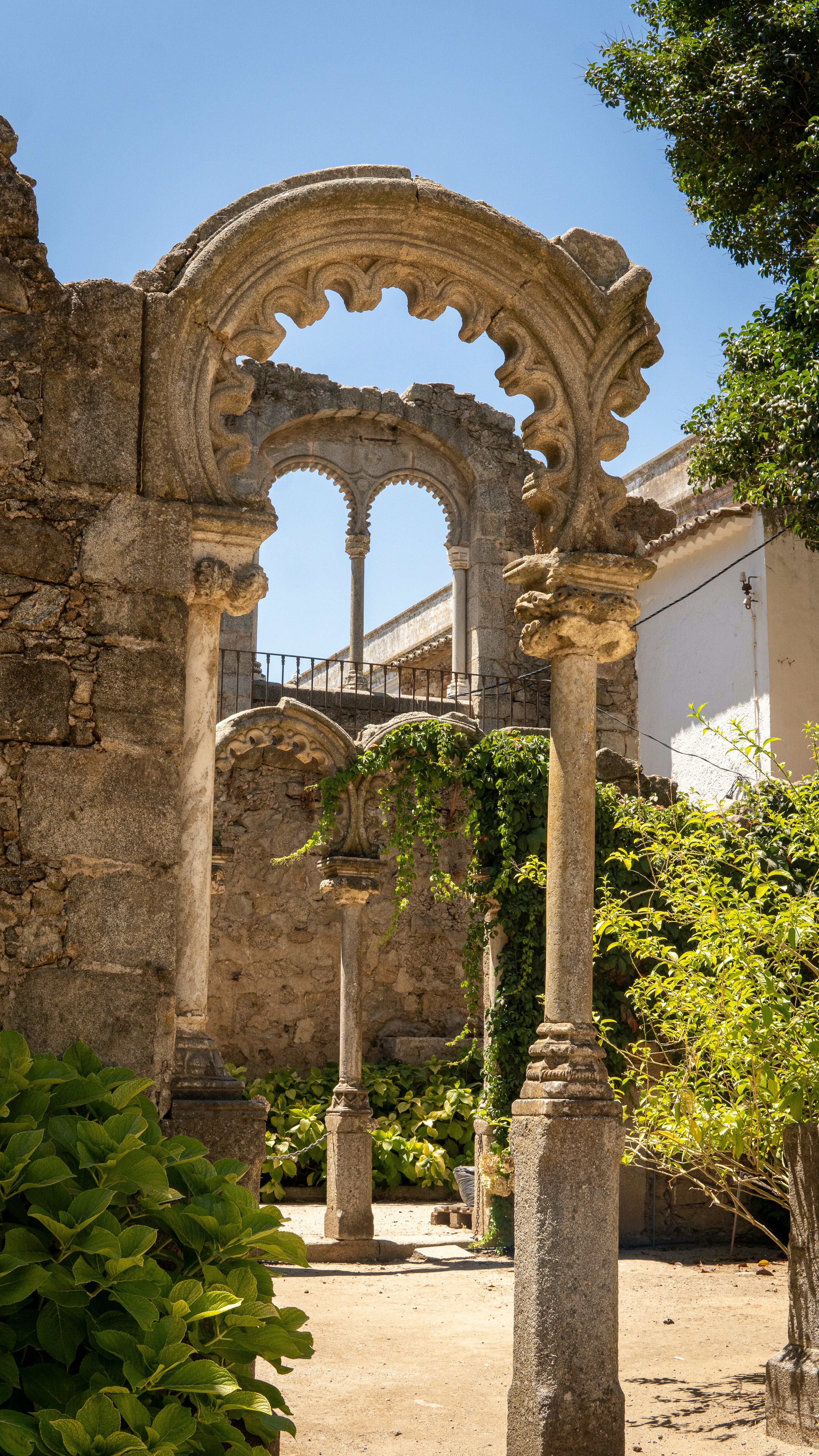
Further east along the river, the modern Parque das Nações and the Tagus Estuary Museum highlight Lisbon’s strong connection to its waterfront. Between Tram 28, panoramic viewpoints and riverside walks, Lisbon offers a journey through history, energy and Atlantic atmosphere. Located in the heart of the Alentejo, Évora is one of Portugal’s most important historic cities, and since 1986 its historic center has been a UNESCO World Heritage Site. Enclosed by medieval walls and surrounded by countryside dotted with olive trees and cork oaks, it preserves a compact atmosphere shaped by squares, narrow streets, and monuments that tell over two thousand years of history. The Roman heritage is represented by the Roman Temple, known as the Temple of Diana, while the Sé de Évora dominates the city skyline with its Gothic architecture. Nearby stands the Chapel of Bones, decorated with human bones taken from ancient cemeteries. The historic center is organized around Praça do Giraldo, the city’s main square and social hub, connected to a network of streets leading to palaces, convents, and museums. The University, founded in the 16th century, helps keep the city lively. Évora is also a key cultural and gastronomic reference in the Alentejo, known for olive oil, wines, and local traditions. Walking along the city walls at sunset reveals the authentic character of the town.
In the surroundings, you can visit the Cromeleque dos Almendres (about 15 km from Évora), one of the most important megalithic complexes in the Iberian Peninsula; Monsaraz (about 55 km), a medieval hilltop village overlooking the Alqueva Lake; Vila Viçosa (about 50 km), with its impressive ducal palace; and, about 100 km away, Elvas, a fortified city and UNESCO World Heritage Site, representing one of the finest examples of military architecture in Portugal.