Giorno 15 — Yellowstone National Park → Grand Teton National Park → Jackson Hole (Yellowstone South Entrance)
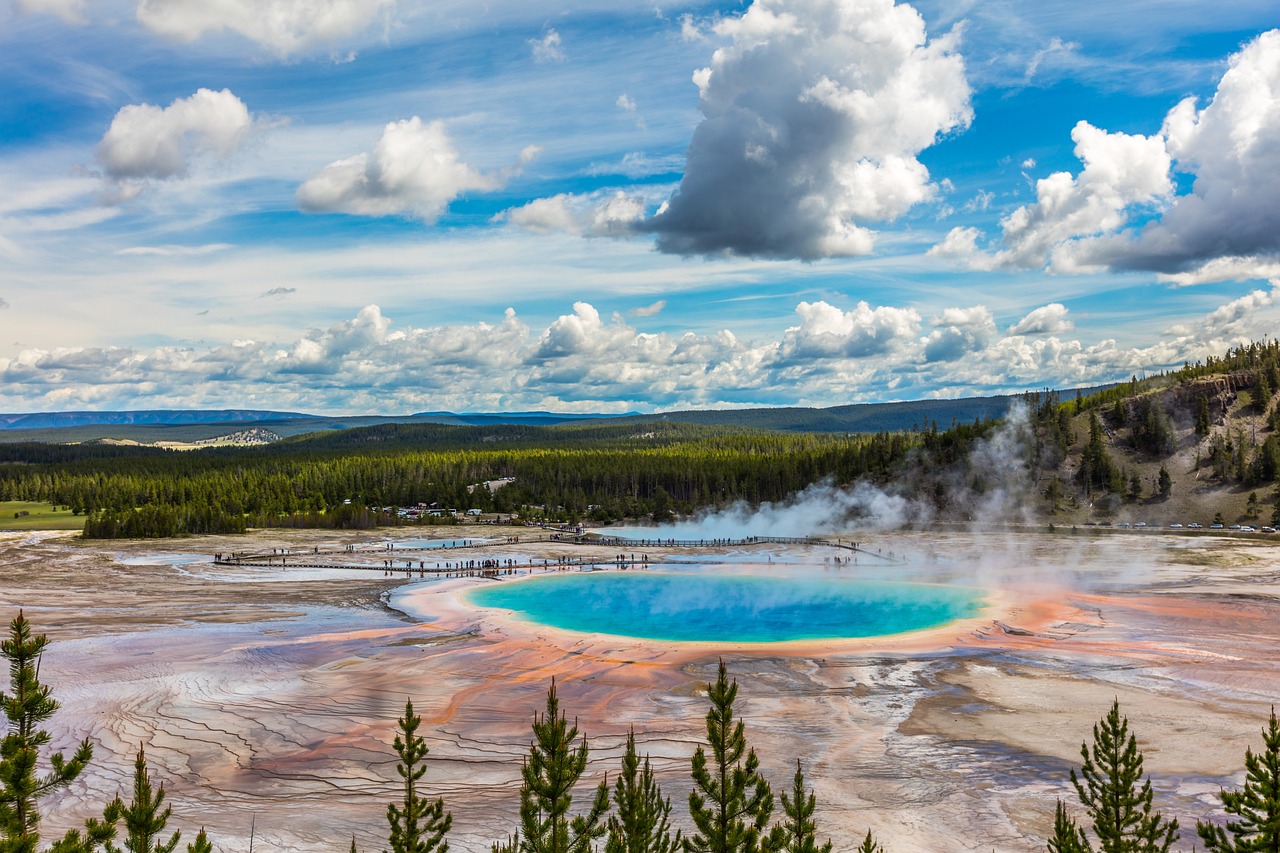
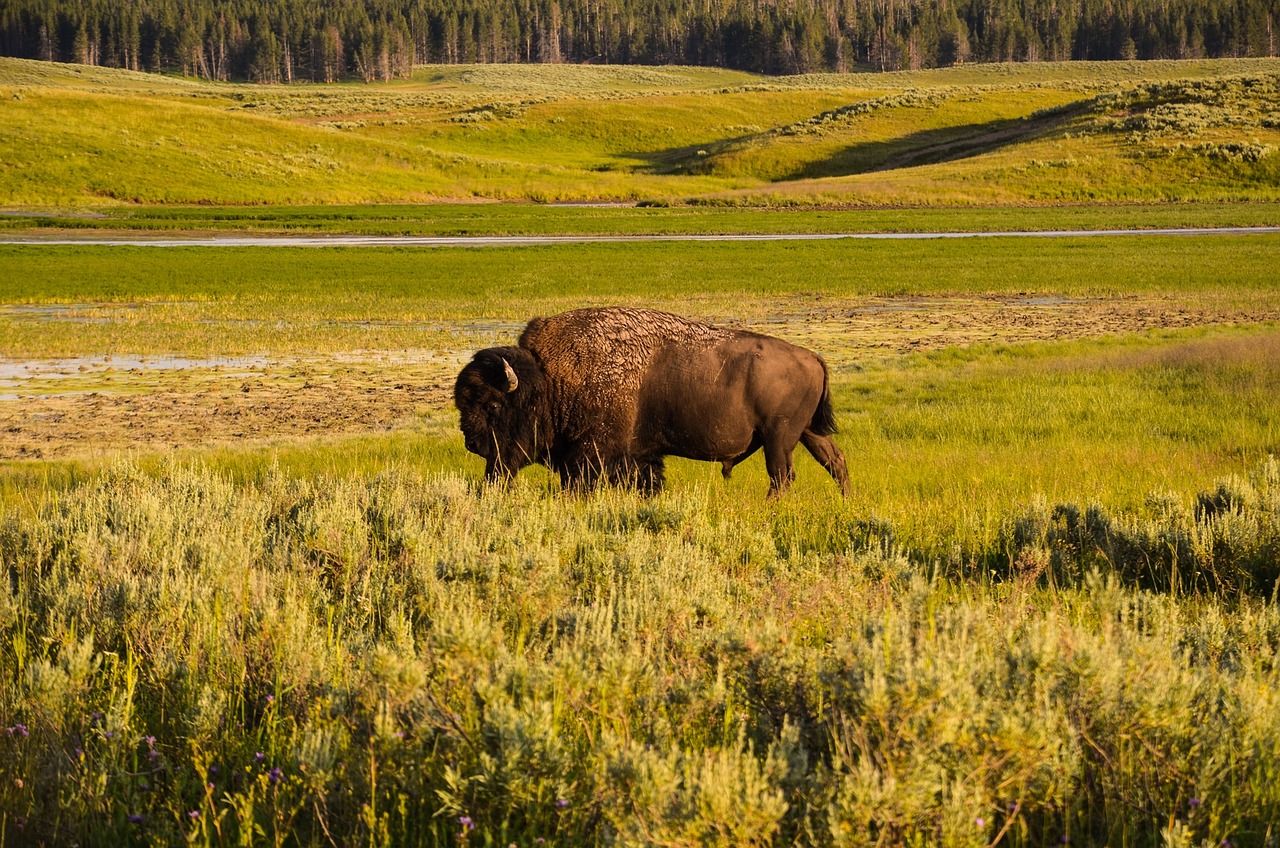
The landscape between Yellowstone and Jackson Hole is marked by the picturesque Teton Mountains, which rise steeply from the flat prairie between lakes, waterfalls, and forests inhabited by elk and bison. The highest peak is the Grand Teton, which exceeds 4,000 meters. The picturesque Teton mountains stand out dramatically in the flat prairie, amidst lakes, waterfalls, and forests inhabited by elks and bisons. The highest peak is the Grand Teton, which exceeds 4,000 meters. The main road runs along the eastern shore of the idyllic Jackson Lake with full view of Mount Moran and the Cathedral Group, the park's iconic peaks. In Colter Bay Village, the Indian Arts Gallery is beautiful, and there are several not-too-long trails to walk. Must-see spots include Willow Flats Overlook, another beautiful view of the Teton mountains, Cathedral Group Turnout, and Menors Ferry Historic District to see a house, a general store, and an 1800s icehouse, and the Chapel of the Transfiguration, perhaps the church with the most picturesque backdrop in the USA. Jackson Hole is a broad Wyoming valley framed by the jagged peaks of Grand Teton National Park, the southern gateway to Yellowstone and a kingdom of outdoor activities. The lively town of Jackson welcomes visitors with its famous arches made of elk antlers, art galleries, saloons and western boutiques. Don't miss a visit to the National Elk Refuge, a winter sanctuary for around 8,000 elk, and the adjacent National Museum of Wildlife Art. Along the Snake River, rafting and canoe trips run through grand landscapes, while the National Elk Refuge shelters thousands of elk in winter, viewable from horse-drawn sleighs. To the north lies Yellowstone, the world's first national park, with its steaming geysers, iridescent hot springs and extraordinary wildlife of bison, bears and wolves. An ideal destination for those seeking wild nature, hiking and skiing.

_20260325134431.png)
_20260325134432.png)



_20260330140543.png)


_20260330140544.png)
_20260330140544.png)

