Giorno 2 — Windhoek → Waterberg (Namibia) → Etosha National Park
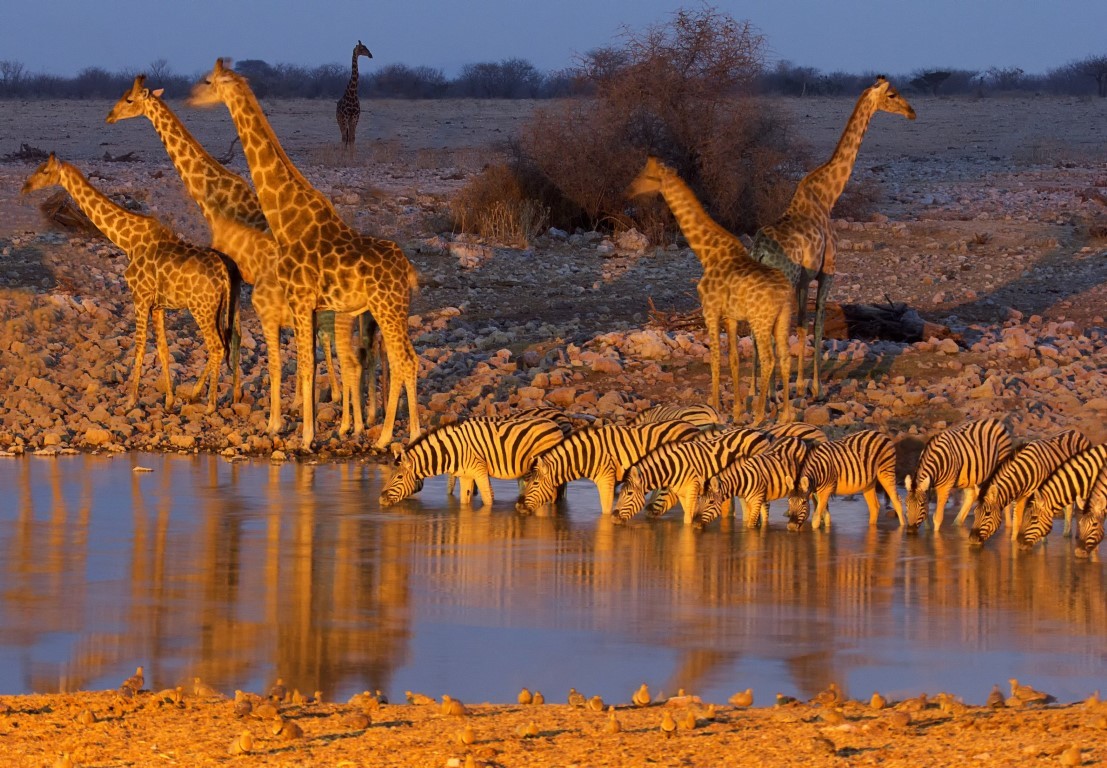
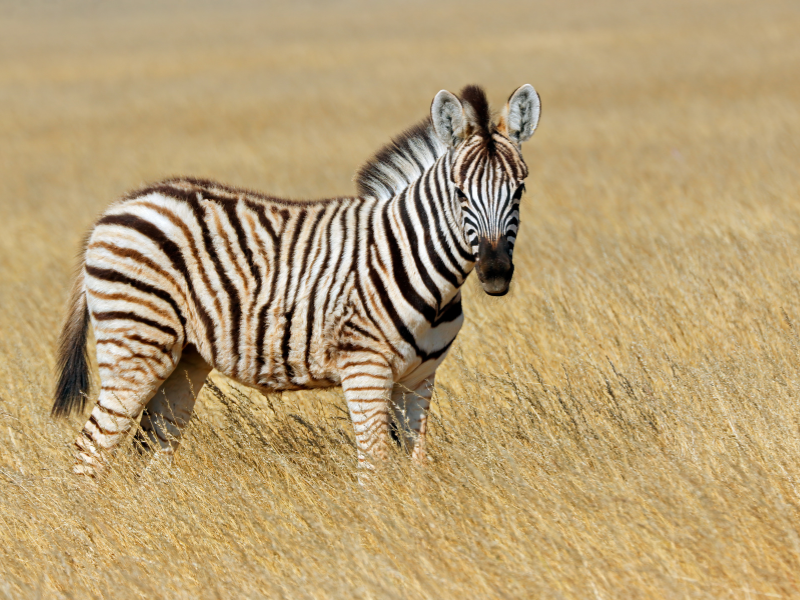
from Windhoek to Waterberg is a journey of about 300 kilometres, with several points of interest to visit along the way. Setting off from Windhoek, you cross the Khomas Hochland region, characterised by mountainous topography and lush vegetation. You can make a stop at Okahandja, a town famous for its local handicrafts, in particular woodwork and pottery. The road then continues through the Waterberg Plateau National Park, a vast protected area that is home to numerous species of wildlife,. Waterberg Plateau Park is a massive red sandstone mesa that rises abruptly from the surrounding plains in central Namibia, with vertical escarpments up to 200 metres high on all sides, offering one of the most dramatic landscapes in the country. The plateau, accessible via a single trail on the southern side, is a wildlife sanctuary managed by the Ministry of Environment and Tourism, home to white and black rhinos, buffalo, sable antelope, roan antelope and leopards — many transferred here from other Namibian parks as part of a vulnerable species conservation programme. Waterberg is also an important historical site: nearby saw the Battle of Waterberg in 1904, a pivotal episode in the war between German colonial forces and the Herero people. The park's small museum documents this painful chapter of Namibian history. Guided walking trails across the plateau, through varied flora and a rich raptor community including vultures and Verreaux's eagles, are the main activity. Located around 90 km east of Otjiwarongo, Waterberg fits easily into circuits towards Etosha. Leaving the dramatic surroundings of the Waterberg Plateau behind, your journey heads north through Namibia’s vast savannah landscapes. The impressive red sandstone cliffs remain visible for a while before the scenery opens into wide plains, bushveld, and extensive farmland. A worthwhile stop can be made in Otjiwarongo, a lively regional town and a pleasant place for a short break. Further north, acacia trees, mopane woodland, and endless open spaces define the landscape. As you continue, anticipation builds for the safari experiences ahead, and with a bit of luck, wildlife may already be spotted outside the park boundaries. You will eventually arrive at Etosha National Park, one of Africa’s premier wildlife reserves, renowned for its vast salt pans, numerous waterholes, and remarkable abundance of animals. Leave the park; the advice is to get comfortable and enjoy the scenery.
_20260225162837.png)


_20260225163328.png)
_20260225163328.png)
_20260225163328.png)
_20260225163328.png)