Giorno 4 — Chicago → St Louis → Little Rock → Dallas
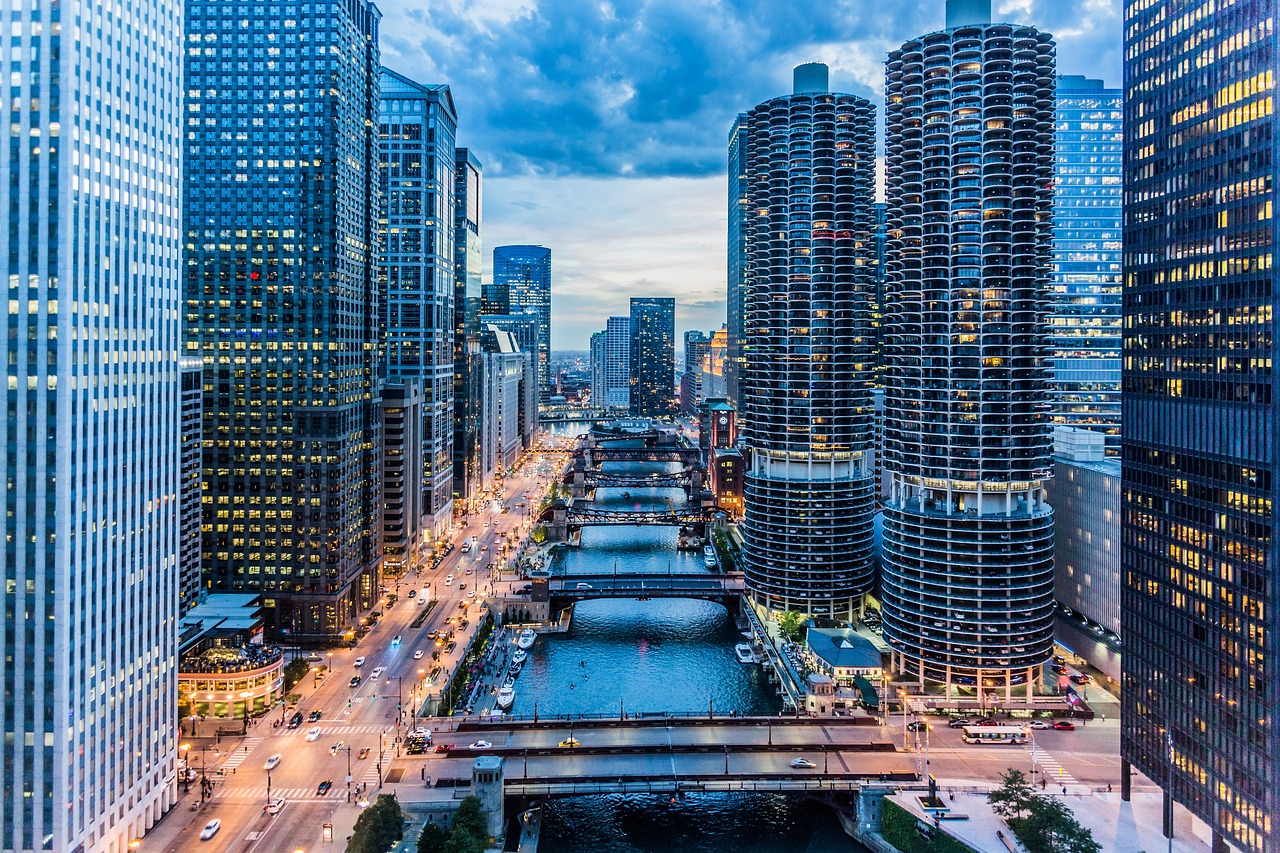
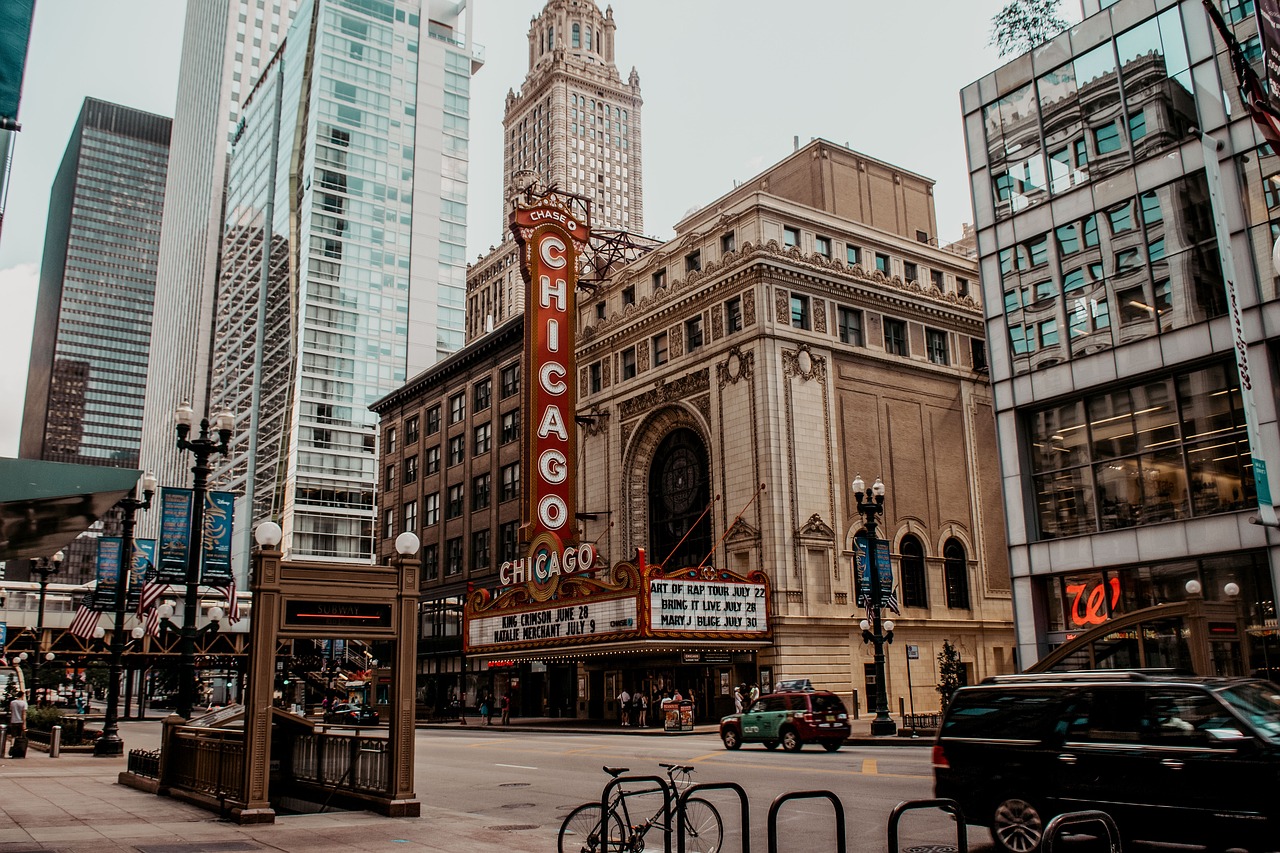
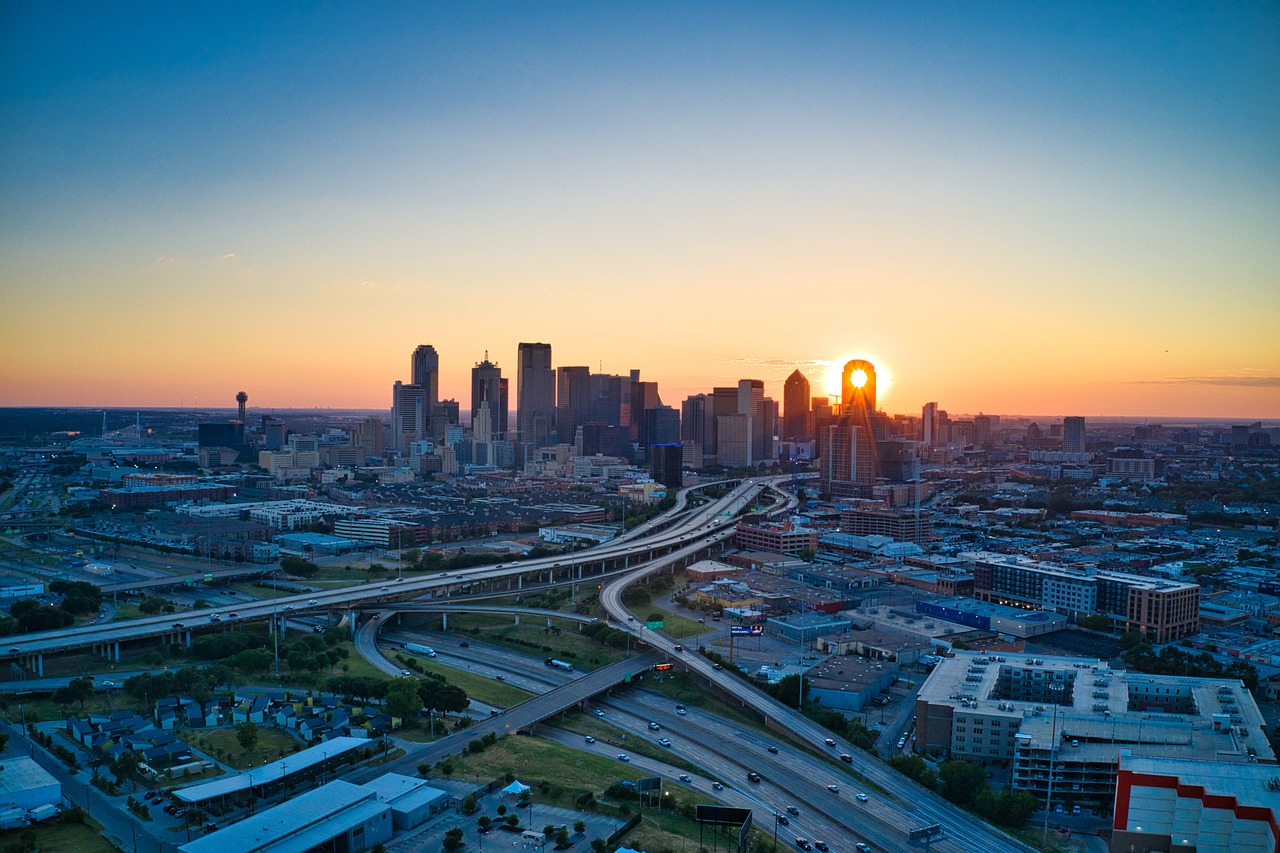
What remains of Route 66 and its modern version, I-55, diagonally connect the two metropolises of Chicago and St. Louis in a predominantly rural landscape, through cornfields that stretch to the horizon and flat prairies as far as the eye can see. The hinterland of the two cities is heavily industrial and rather poor, and doesn't really offer much to the traveler looking for traces of the "Mother Road". The only real city along the entire route is the capital of Illinois, Springfield, which has well-preserved sections of Route 66 as well as memories related to President Lincoln. However, there are also dozens of scattered small towns that strive to maintain a connection with Route 66, and almost all of them boast at least one landmark. St. Louis announces itself from afar with the unmistakable silhouette of the Gateway Arch, the 192-metre steel arch celebrating the westward expansion of the United States. Overlooking the banks of the Mississippi, this historic Missouri city blends grand nineteenth-century boulevards, a fervent musical past and a lively dining scene. The Forest Park district, larger than New York's Central Park, is home to museums, the zoo and the Saint Louis Art Museum, all free to enter. A cradle of blues and ragtime, it preserves historic venues where live music has never fallen silent, while the famous Anheuser-Busch brewery recounts the city's beer-making heritage. Don't miss the scenic ride to the top of the arch. St. Louis is where frontier America meets the great river metropolises. Little Rock holds in Arkansas the role of state capital, a city on the Arkansas River rich in Southern history and culture. Here stand Little Rock Central High School, a symbol of the civil rights struggle, and the Clinton Presidential Library dedicated to the forty-second president. The River Market District animates the centre with restaurants and museums. Little Rock is a crossroads of memory and renewal in the heart of the American South. Dallas rises in the heart of Texas with glass skyscrapers and a modern energy that blends with deep Southern tradition. Dealey Plaza and the Sixth Floor Museum preserve the memory of John F. Kennedy's assassination, while the Dallas Arts District — the largest urban cultural district in the United States — gathers museums and theatres designed by world-renowned architects. The historic Deep Ellum quarter reveals murals, jazz and blues venues, while the Bishop Arts District tempts visitors with artisan shops and restaurants. Texan cuisine is a ritual here: smoked barbecue, ribs and generous Tex-Mex. Nearby, Fort Worth keeps the authentic spirit of the Old West alive in its Stockyards. Dallas is the contemporary face of Texas, blending business, culture and warm hospitality.

_20261014102544.png)
_20261014102544.png)
_20261014102544.png)
_20261014102545.png)