Essential Ise-Shima Peninsula: Nature, Shrines, and Ancient Traditions
Itinerari consigliati4 Giorni
Nagoya, Giappone
Nagoya›Ise›Toba›Kyoto
Servizi
Esperienze
cultura e tradizione
folclore
gastronomia, degustazioni
natura
paesaggi
Itinerary
Giorno 1 — Nagoya
Nagoya rises in Japan's industrial heartland, the country's fourth-largest city and capital of the Chūbu region, set midway between Tokyo and Kyoto along the historic Tōkaidō route. Its emblem is Nagoya Castle, an imposing keep crowned by two golden shachihoko, while the Atsuta Shrine safeguards one of the emperor's sacred imperial regalia. Lovers of innovation find in the Toyota Commemorative Museum and the Ōsu district — with its lively maze of shops and temples — two complementary faces of the city. Local cuisine is a genuine institution: Nagoya-kōchin chicken, miso katsu and hitsumabushi eel speak of a proud, flavourful culinary tradition. An ideal base for reaching the alpine valleys of Takayama and the historic farmhouses of Shirakawa-gō, Nagoya blends technological modernity with deep roots in a balance that is quintessentially Japanese.
Treno
Giorno 2 — Nagoya → Ise
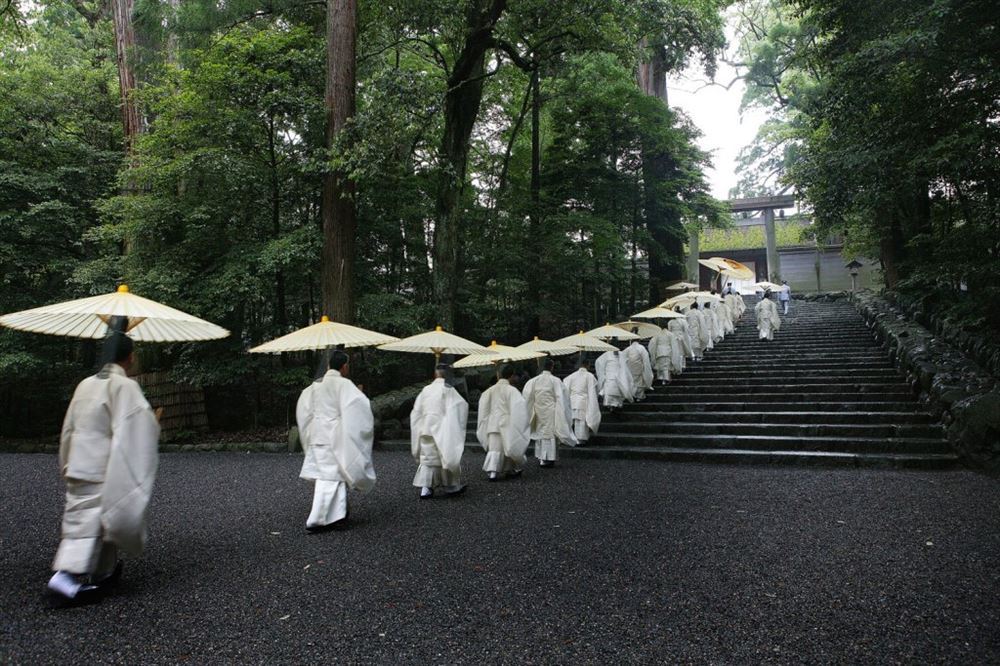
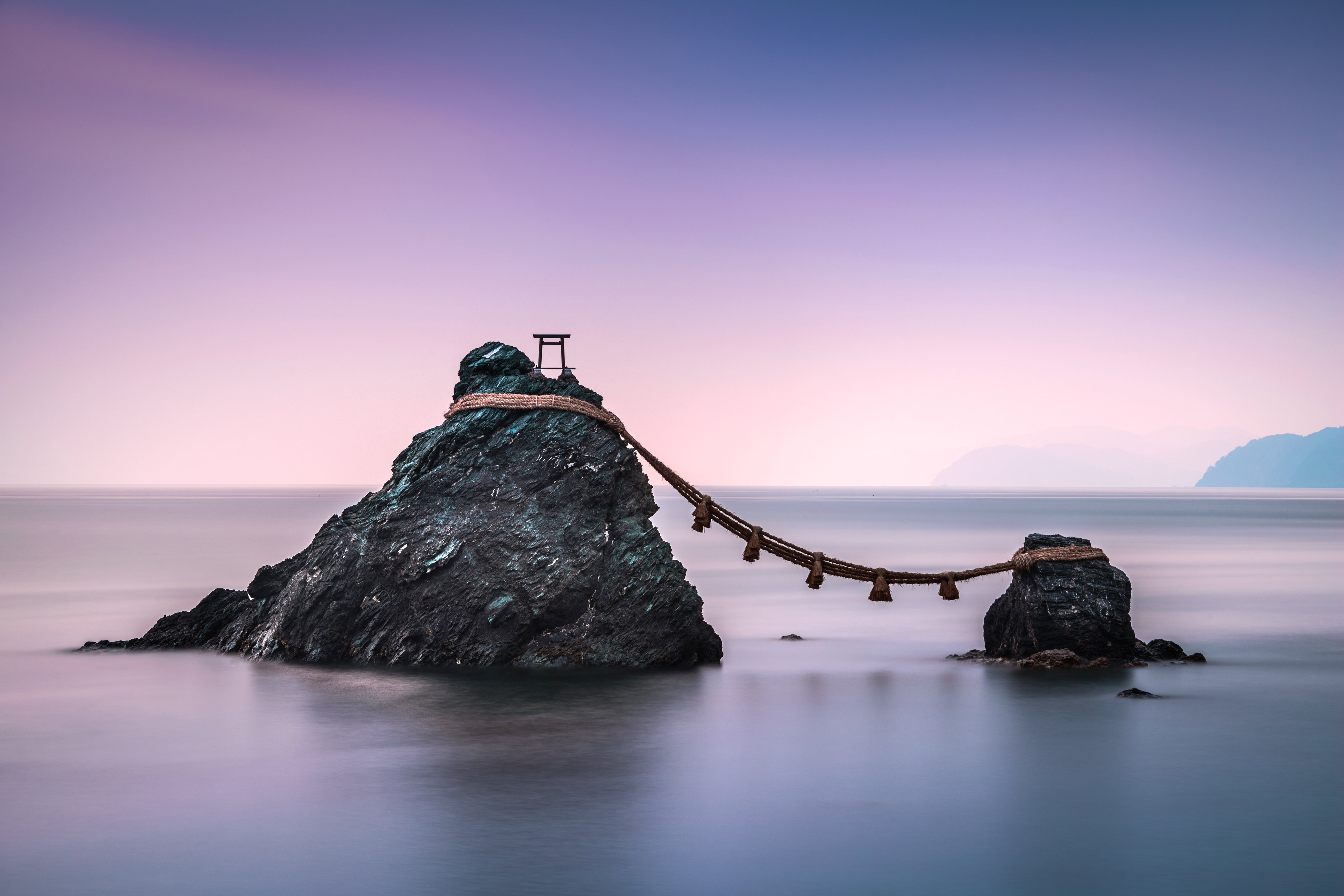
Ise is home to Shinto’s holiest sanctuary, the Ise Jingū, a complex of timber buildings set within an ancient forest and dedicated to the sun goddess Amaterasu. Rebuilt every twenty years according to a centuries-old tradition, the shrine has drawn pilgrims for more than a millennium. Along the approach, the Okage Yokochō district recreates the atmosphere of the Edo period with shops, inns and specialities such as Ise udon and rice sweets. Nearby, the Meoto Iwa or wedded rocks rise from the sea, joined by a sacred rope. A destination weaving together spirituality, nature and tradition.
Treno
Giorno 3 — Ise → Toba → Ise
Toba lies along the rugged coast of Mie Prefecture, gathered around a bay scattered with tiny islands and regarded as the cradle of pearl cultivation. It was here that Kokichi Mikimoto perfected the cultured pearl: Mikimoto Pearl Island, linked to the mainland by a short bridge, tells the story and stages demonstrations by the ama, the free-diving pearl divers who still descend in their traditional white suits. Along the harbour, the lively Toba Seafood Street and small restaurants serve oysters, lobster and sea urchin caught that morning, while the Toba Aquarium holds one of Japan's richest marine collections, from dugongs to otters. A few kilometres away lies Ise, with the revered Shinto shrine of Ise Jingu, the holiest in the country, and the picturesque town of Futami with the Meoto Iwa "wedded rocks" joined by a sacred rope. Toba is a stop that weaves together seafaring tradition, ocean flavours and spirituality, ideal for those seeking an authentic Japan away from the beaten path.
Treno
Giorno 4 — Ise → Kyoto
Kyoto holds the most authentic soul of Japan: imperial capital for more than a thousand years, it preserves a heritage of temples, gardens and traditions that make it one of the most captivating cities in the world. Spared the bombing of the last war, it gathers within its streets more than a thousand shrines and temples, many inscribed on the UNESCO World Heritage list.
The visit comes to life in the Higashiyama district, where the cobbled lanes of Ninenzaka and Sannenzaka climb towards Kiyomizu-dera, a wooden temple suspended on a panoramic terrace overlooking the city. Nearby, Gion is the heart of the geisha world: at dusk, along the wooden teahouses of Hanamikoji, one may glimpse a maiko wrapped in her kimono. To the northwest gleams Kinkaku-ji, the famous Golden Pavilion mirrored in its pond, while Ryoan-ji holds the most enigmatic of Zen rock gardens. Fushimi Inari Taisha enchants with its thousands of vermilion torii gates winding up the sacred mountain, and the Arashiyama bamboo grove, on the western edge, offers a walk through a suspended world, beside the Togetsukyo bridge and the hillside temples.
Kyoto is also a refined culture of taste: kaiseki cuisine, ceremonial matcha tea, wagashi sweets and the stalls of Nishiki Market, nicknamed "Kyoto's kitchen". The cherry blossoms in spring and the crimson maples in autumn turn the city into a living painting. A city of temples and silences, of artisans and ceremonies, Kyoto reveals itself slowly, to those who know how to walk with attentive eyes and a patient step.