San Francisco›Yosemite National Park›Sequoia e Kings Canyon National Park›Death Valley›Las Vegas›Zion National Park›Bryce Canyon National Park›Capitol Reef National Park›Moab›Arches National Park›Canyonlands National Park›Monument Valley›Horseshoe Bend›Page (Lake Powell)›Antelope Canyon›Grand Canyon National Park South Rim›Lake Havasu›Los Angeles
Itinerary
Giorno 1 — San Francisco
Wrapped in the fog that drifts in from the bay and draped over steep hills facing the Pacific, San Francisco is one of America's most beloved cities, refined, rebellious and deeply cosmopolitan. Its symbol is the Golden Gate Bridge, the unmistakable red span reaching out towards the ocean, revealed and hidden by the morning mists. To walk the city is to be surprised by its rolling streets, still climbed today by the famous cable cars that scale the heights of Nob Hill and Russian Hill, offering sudden glimpses of the water. Along the Fisherman's Wharf waterfront the sea lions of Pier 39 bark and the air smells of sourdough bread and fresh crab, while offshore stands the island of Alcatraz, with its historic penitentiary reachable by boat. The charm of San Francisco lives in its neighbourhoods: the Victorian Painted Ladies around Alamo Square, the Chinese energy of Chinatown, the oldest and liveliest in America, the rainbow, activist streets of the Castro, and the bohemian ferment of Haight-Ashbury, cradle of hippie culture. At the city's core, Union Square buzzes with shopping and theatres, while the Civic Center and museums such as SFMOMA and the de Young reveal its cultured soul. Green spaces abound: the vast Golden Gate Park holds Japanese gardens, conservatories and trails down to the ocean. The dining scene is among the most innovative in the country, from fusion cuisine to the wines of the nearby Napa and Sonoma Valley and organic markets. From San Francisco it is easy to set out for California's national parks, the redwoods of Muir Woods and the Big Sur coast. Free, creative and swept by the ocean wind, San Francisco wins over anyone willing to be led by its hills and its suspended light.
Auto
Giorno 4 — San Francisco → Yosemite National Park
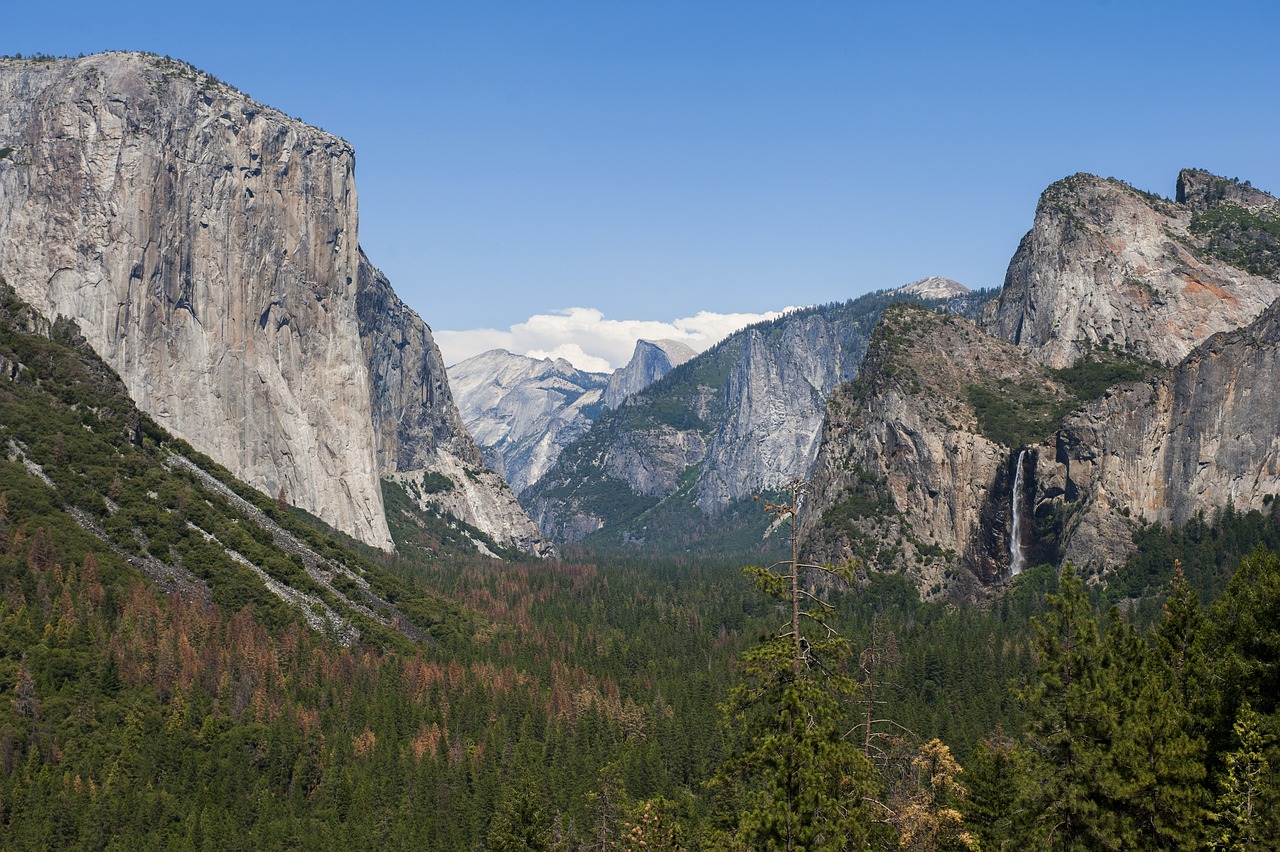
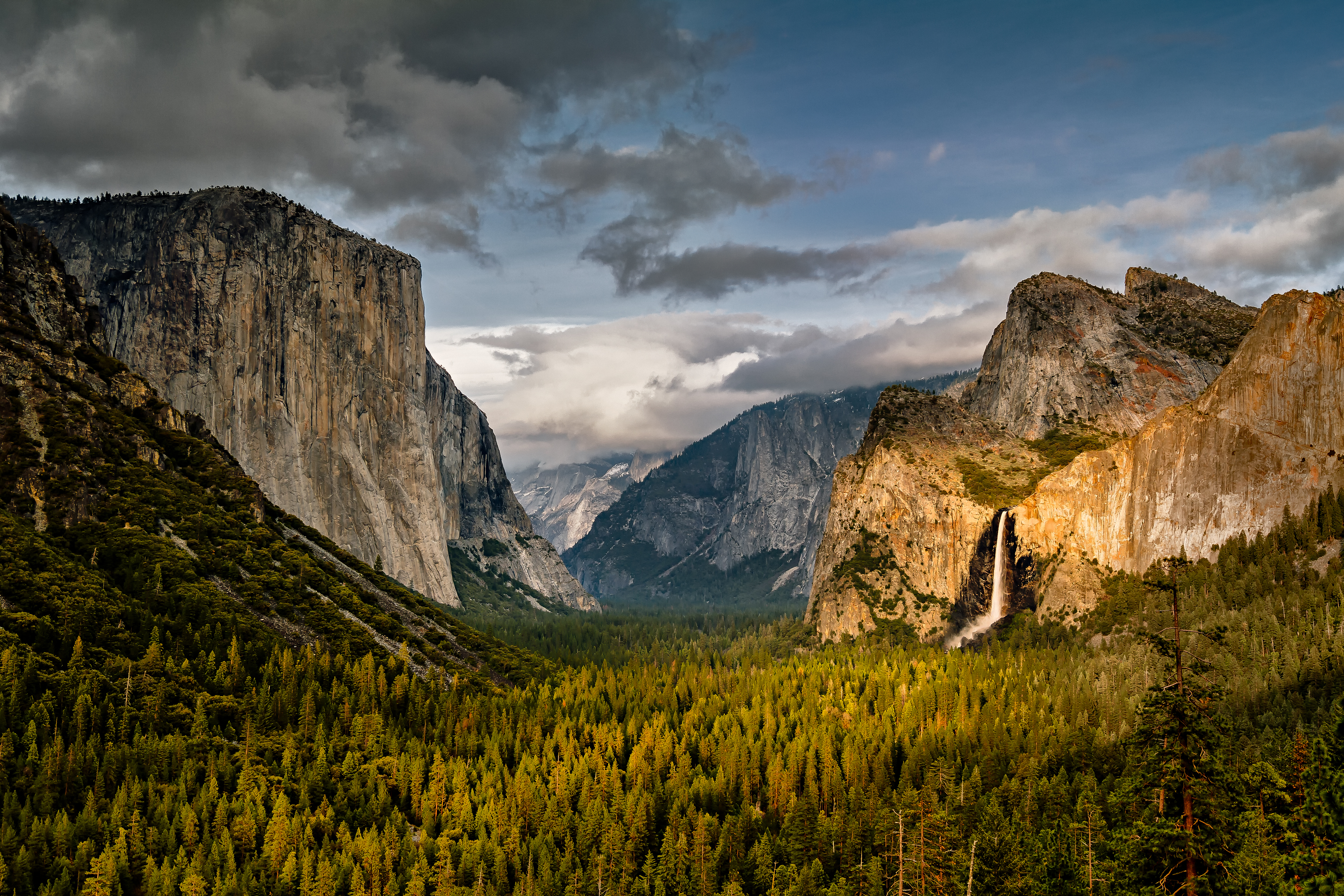
You leave the big city on the bay for the region at the foot of the Sierra Nevada, which in 1849 was at the center of the Gold Rush. Yosemite National Park is one of the world's most famous natural sanctuaries, set among the granite peaks of California's Sierra Nevada and designated a UNESCO World Heritage Site. The Yosemite Valley opens between the imposing walls of El Capitan and Half Dome, the thundering waterfalls such as Yosemite Falls and the meadows crossed by the Merced River. Forests of giant sequoias and alpine plateaus complete a legendary landscape. Yosemite is the ideal destination for those seeking grand nature, climbing and the iconic wilderness of California.
Auto
Giorno 5 — Yosemite National Park → Sequoia e Kings Canyon National Park
Sequoia and Kings Canyon National Park preserves in California the largest living trees on the planet, the majestic giant sequoias that soar in the Sierra Nevada. Here grows the General Sherman Tree, the largest tree by volume in the world, among ancient forests, deep canyons and granite peaks. Trails of every level lead to caves, waterfalls and breathtaking views. This park is a sanctuary of silence and grandeur, where nature reaches titanic proportions.
Auto
Giorno 6 — Sequoia e Kings Canyon National Park → Death Valley
you pass through the towns of Bakersfield and Ridgecrest, take Route 395 and cross the beautiful landscapes of the eastern Sierra Nevada and Panamint Valley, before arriving at the western entrance to Death Valley. Death Valley is the lowest, hottest and driest point in North America, where you can picture the earth as it was before the appearance of man. Conditions here are infernal, and it is no coincidence that many of the viewpoints bear names such as Funeral Mountains, Furnace Creek, Dante's View, Coffin Peak and Devil's Golf Course. Distances within the park are enormous, so if you only have one day, start at the Furnace Creek Visitor Center to get your bearings. Unmissable sights include Artists Palette (along the scenic Artists Drive), Harmony Borax Works, Badwater, Devil's Golf Course, Zabriskie Point and the superb panoramic balcony of Dante's View.
Auto
Giorno 7 — Death Valley → Las Vegas
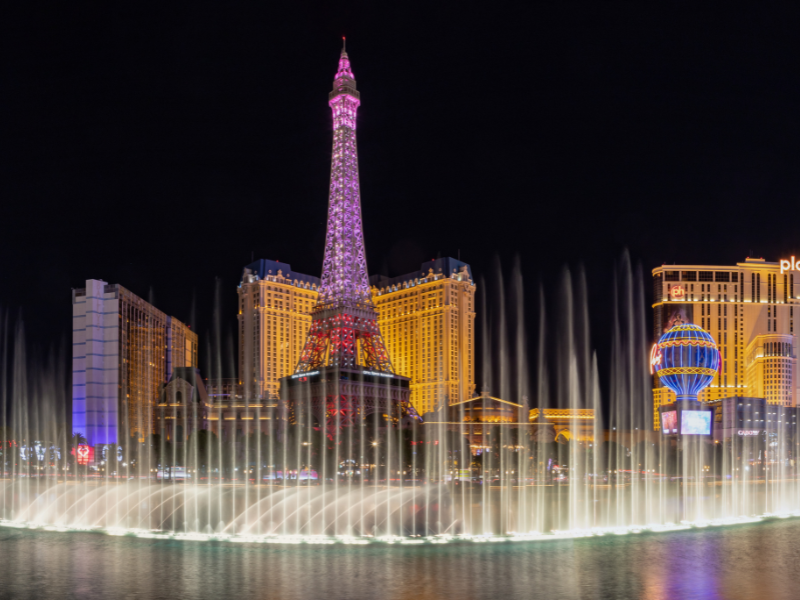
The change of environment couldn't be more extreme: from the lunar desert landscapes of Death Valley to the artificial oasis of Las Vegas. Las Vegas rises like a luminous mirage in the Mojave Desert, the world capital of entertainment, where excess becomes spectacle and the night never ends. Its pulsing artery is the Strip, the famous Las Vegas Boulevard lined with themed resorts that recreate the planet's great icons in miniature: at the Bellagio, fountains dance in choreographies of water and music before an artificial lake; the Paris Las Vegas is crowned by a replica of the Eiffel Tower; at the Venetian, gondoliers glide along Venetian-style canals beneath painted skies; at the Luxor, a black glass pyramid and a great sphinx evoke ancient Egypt, while the Mirage and the other gaming giants animate the scene with dazzling casinos. By night the city becomes a continuous stage: Cirque du Soleil shows, concerts, magic acts and residencies by major stars fill the theatres, while celebrated restaurants and gaming tables keep the metropolis awake until dawn. A short distance away, historic Downtown preserves the city's original face around the Fremont Street Experience, a pedestrian arcade canopied by a barrel vault of LED lights that brings the old Las Vegas back to life amid vintage neon signs and a more intimate atmosphere. Yet Las Vegas is also the gateway to magnificent natural landscapes: nearby, the Hoover Dam blocks the Colorado River to create Lake Mead, an ideal basin for boating and outdoor activities; Red Rock Canyon offers red sandstone formations crossed by trails and climbing walls; the Valley of Fire sets the desert ablaze with scarlet rock; and to the east opens the immensity of the Grand Canyon, one of the most beloved day trips. The city's most theatrical tradition is here too, that of the wedding chapels where couples marry in minutes, now an integral part of its legend. Between lights, desert and desire, Las Vegas remains a place where anything seems possible.
Auto
Giorno 8 — Las Vegas → Zion National Park → Bryce Canyon National Park
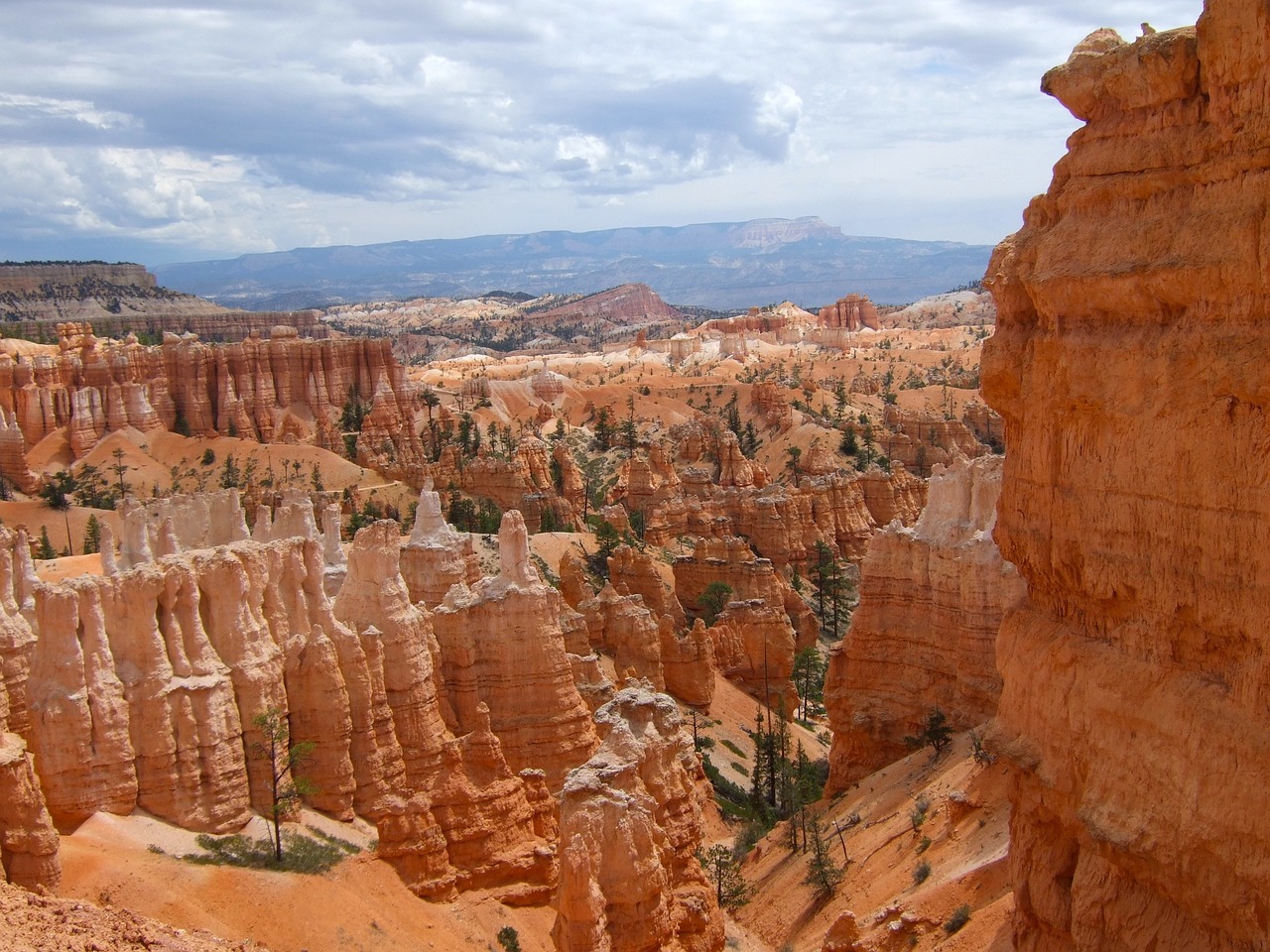
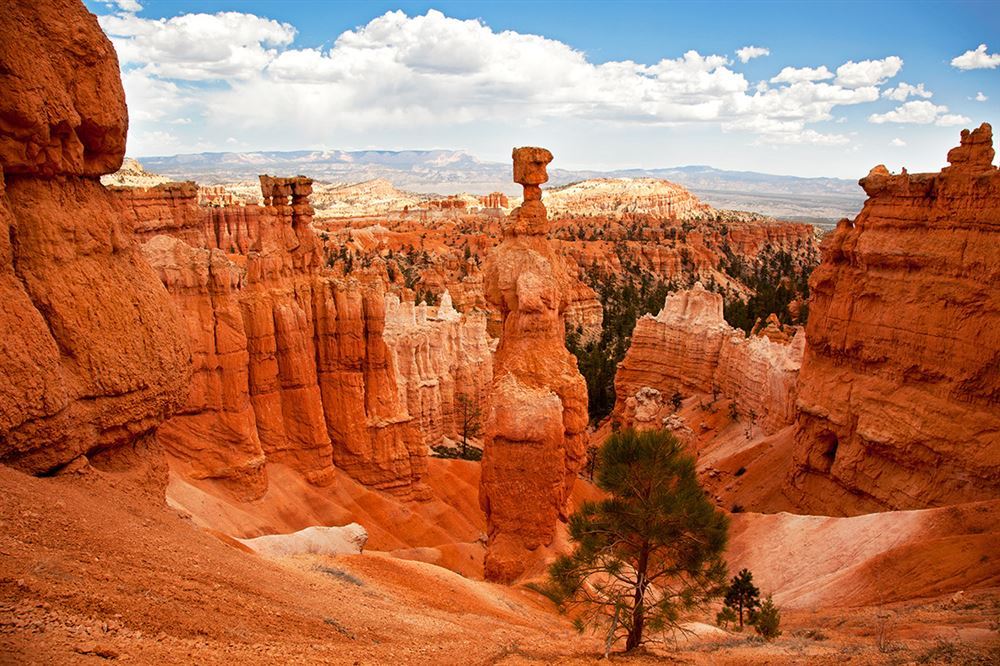
You leave behind the bright Las Vegas and in about three hours by car through the Mojave Desert, and then along the scenic Highway 9, you arrive in the small town of Springdale, the gateway to Zion National Park. Zion National Park astonishes with its imposing walls of red and white sandstone, carved by the Virgin River in the heart of south-western Utah. The main canyon is explored on foot along legendary trails such as Angels Landing and The Narrows, where one walks through water between narrow gorges. Hanging waterfalls, sculpted monoliths and lush vegetation create an extraordinary contrast. Zion is the ideal destination for those seeking spectacular canyons, unforgettable hikes and the red majesty of the American Southwest. Less than two hours away from Zion is Bryce National Park. Bryce Canyon National Park reveals one of the most astonishing landscapes on Earth, a vast natural amphitheatre dotted with hoodoos, amber and pink rock spires sculpted by erosion on the Utah plateau. Viewpoints such as Sunrise and Sunset Point offer breathtaking views at dawn and dusk, while trails descend among the formations into the heart of the canyon. The high elevation ensures some of America's starriest night skies.
Auto
Giorno 9 — Bryce Canyon National Park → Capitol Reef National Park → Moab
the road from Bryce Canyon to Capitol Reef will be one of the most memorable of the trip traveling along Scenic Byway 12. This scenic byway traverses extremely varied landscapes: remnants of ancient seafloors, the highest alpine forests on the planet, stunning red and pink rock spires, and expanses of wild sage. Following the Burr Trail, a less-traveled path, we see red rock monoliths and spectacular views, such as the Strike Valley. From here, you can enjoy the view of the Utah desert and the Henry Mountains. Surrounded by red sandstone spires and wind-carved plateaus, Moab is the outdoor-adventure capital of Utah. Set along the Colorado River, this lively town is the gateway to two spectacular national parks: Arches, with its more than two thousand natural arches including the famous Delicate Arch, and Canyonlands, where the gorges stretch as far as the eye can see. Mountain biking on the legendary Slickrock Trail, rafting the Colorado rapids, hiking and off-road tours draw travellers from around the world. At sunset the rock glows with orange and crimson hues, while at night the pristine skies reveal a brilliant Milky Way. Don't miss Dead Horse Point, with its breathtaking view over the river's bends. Moab is the perfect starting point for those seeking the American desert in its wildest form.
Auto
Giorno 11 — Moab → Arches National Park → Canyonlands National Park → Monument Valley
Canyonlands National Park extends into the heart of southeastern Utah, where the Colorado and Green Rivers have carved a boundless labyrinth of canyons, mesas and red-rock pinnacles. Vast and wild, the park is divided into spectacular districts such as Island in the Sky and The Needles, offering dizzying panoramas and absolute silence. It is a realm of deserts, natural arches and starry skies of rare purity. Canyonlands is one of the grandest geological wonders of the American Southwest. As you head south, the landscape of Utah becomes increasingly spectacular. The road winds through a primordial territory of rocks, petrified dunes, strange boulders like the stone sombrero that gives its name to the town of Mexican Hat, and the winding meanders carved by the San Juan River. Monument Valley raises in the desert on the Arizona–Utah border its iconic spires of red sandstone, an immortal symbol of the American West. Part of the Navajo Nation, this sacred landscape has been captured in countless films and photographs, with its mesas and pinnacles outlined against the sky. Navajo-guided tours reveal the culture and legends of the place. Monument Valley is the grand, silent quintessence of the American frontier.
Auto
Giorno 12 — Monument Valley → Horseshoe Bend → Page (Lake Powell)
Today's stage takes you from Monument Valley to Page and Lake Powell in about 2 hours (200 km), crossing the largest Native American reservation in the USA, the Navajo Indian Reservation, which extends beyond the Arizona border into New Mexico and Utah. Page was founded in the heart of the northern Arizona desert as a small service town for the construction of the Glen Canyon Dam, and is today an ideal base for exploring some of the most spectacular landscapes of the American Southwest. A few minutes away opens Lake Powell, a vast turquoise reservoir set among red sandstone canyons, a paradise for boat trips and houseboats. Nearby lie two icons of travel photography: Antelope Canyon, a slot canyon with undulating walls pierced by beams of light, and Horseshoe Bend, the dramatic curve of the Colorado River wrapping around a rock spur. The area, home to the Navajo Nation, offers guided tours, fiery sunsets and starry skies of rare purity.
Auto
Giorno 13 — Page (Lake Powell) → Antelope Canyon → Grand Canyon National Park South Rim
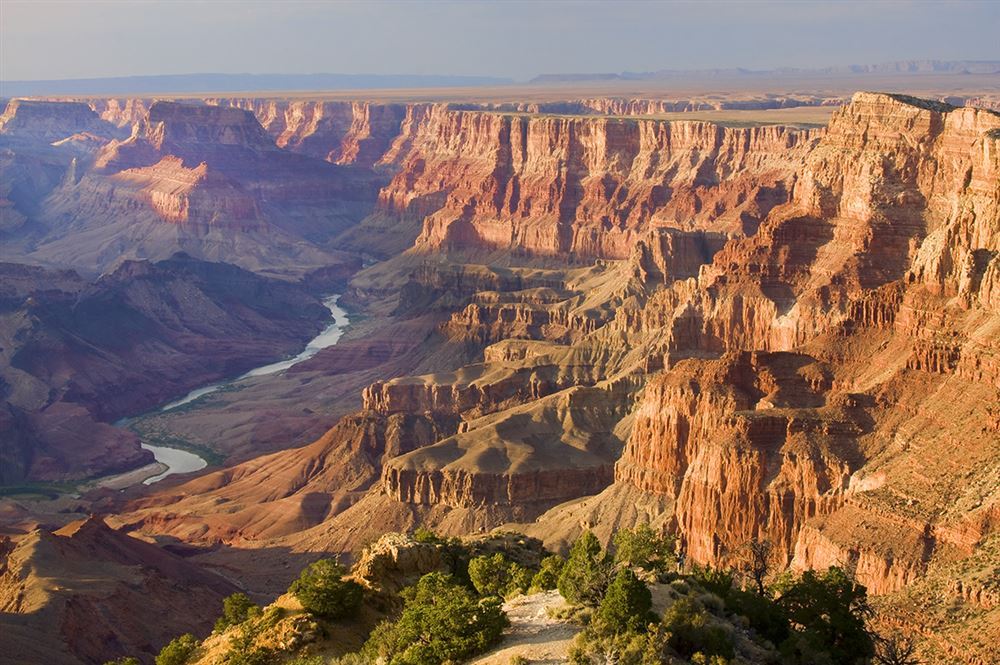
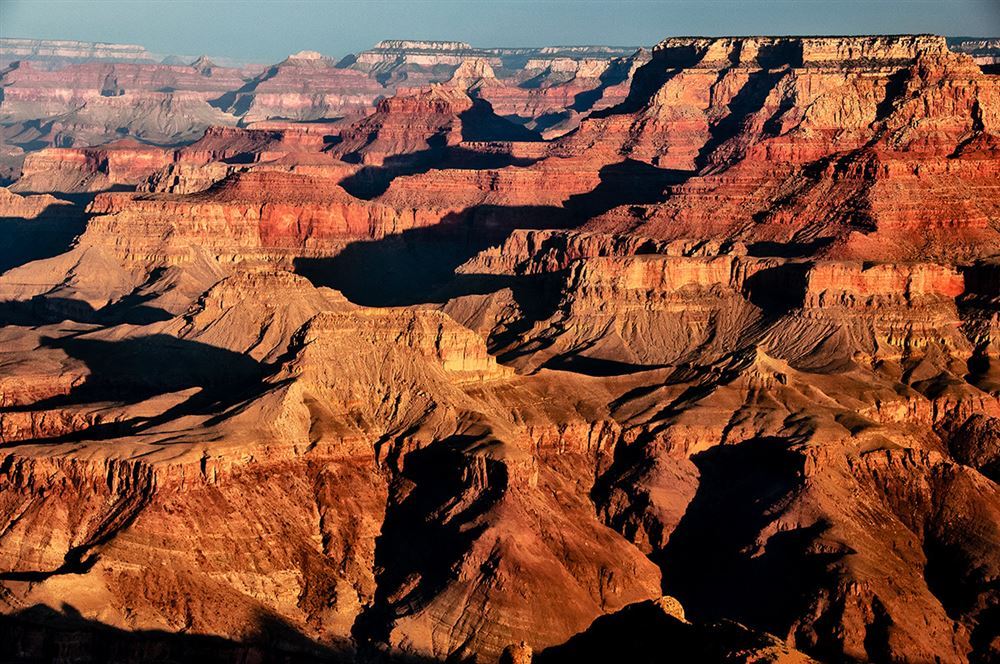
The journey from Page to Grand Canyon National Park is about 230 km and takes about 3 hours. If you haven't been to Horseshoe Bend during your stop in Page, make a stop now. The Horseshoe Bend viewpoint, about 7 km from Page, can be reached by a 2.5 km walk along an easy dirt trail. Bring water with you. Leaving Page, follow Route 89 via Bitter Spring through desert lands until you reach Cameron, where you will find one of the authentic Southwest trading posts. From Cameron, take Route 64, which climbs towards the Kaibab Forest. Don't miss the viewpoint of the deep and narrow canyon of the Little Colorado River, about 18 km from Cameron. Enter Grand Canyon National Park from the park's eastern entrance (East Entrance) following Desert View Drive (Route 64), which runs along the edge of the canyon for about 40 km with several scenic viewpoints: we recommend Grand View, Moran, Lipan, Navajo Point, and Desert View. The South Rim of Grand Canyon National Park is the most visited side of one of the planet's most famous natural wonders, in Arizona. From here open dizzying vistas over the immense gorge carved by the Colorado River, over 1,600 metres deep and up to 29 kilometres wide. Grand Canyon Village, the historic El Tovar Hotel and overlooks such as Mather Point and Yavapai Point offer unforgettable views. Trails like the Bright Angel Trail descend toward the river. A geological spectacle and UNESCO World Heritage Site, the South Rim leaves visitors breathless.
Auto
Giorno 14 — Grand Canyon National Park South Rim → Lake Havasu
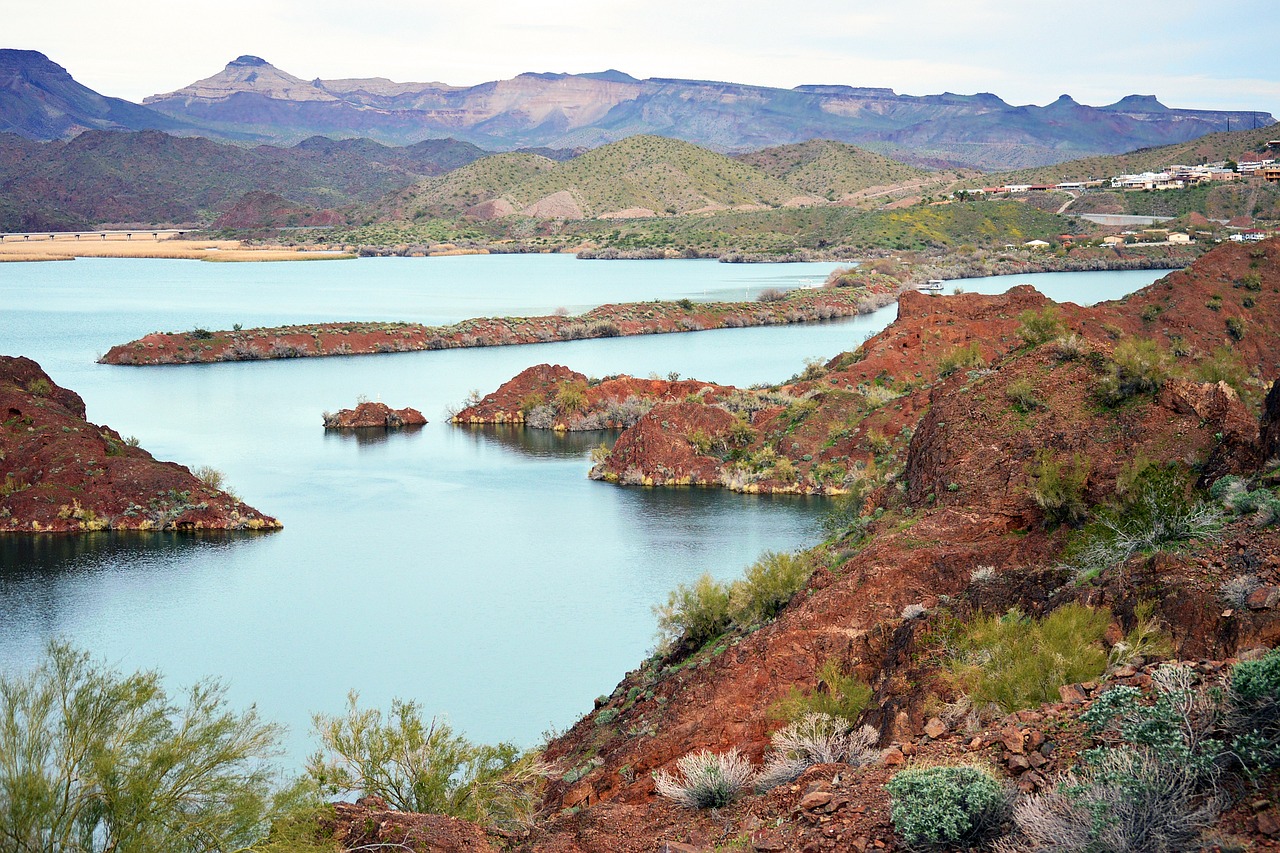
The journey from the Grand Canyon to Lake Havasu has several interesting points. You descend along Route 64 through the ponderosa pines of the Kaibab National Forest until you reach Williams, where we recommend a short stop before getting on the I-40 highway. Williams' Main Street is the best-preserved stretch of Route 66 in the USA: at every corner, you can see old gas pumps, diners, jukeboxes, and various memories from the 1950s. Continue on Interstate I-40 until you reach Kingman, a historic mining and railroad town founded in 1880. Here, in 1939, Hollywood stars Clark Gable and Carole Lombard got married at St. John's Methodist Episcopal Church, 1730 Kino Ave. To reach Lake Havasu City from Kingman, you have two options: continue for 96 km along Interstate I-40 and then Route 95, or take the old Route 66 passing through Oatman until the village of Topock (80 km) with an additional 60 km between I-40 and US-95. The stretch of Route 66 between Kingman and Topock is the most spectacular section in the Southwest, at times very steep and winding, passing through old mining towns in the cactus-dotted desert and the rugged Black Mountains. Lake Havasu City is mirrored on the shores of a large reservoir of the Colorado River, on the border between Arizona and California, deep in the Mojave Desert. Its most curious attraction is the London Bridge, the genuine London bridge purchased in the 1960s and rebuilt stone by stone, around which an English-style village of shops and restaurants has grown. The lake, with more than two hundred and fifty miles of shoreline and almost perpetual sunshine, is a paradise for water sports: powerboats, kayaks, fishing and beaches reachable only by water. The hidden coves and canyons that plunge into the turquoise waters make it a lively year-round destination, loved by those seeking sun, relaxation and outdoor adventure.
Auto
Giorno 15 — Lake Havasu → Los Angeles
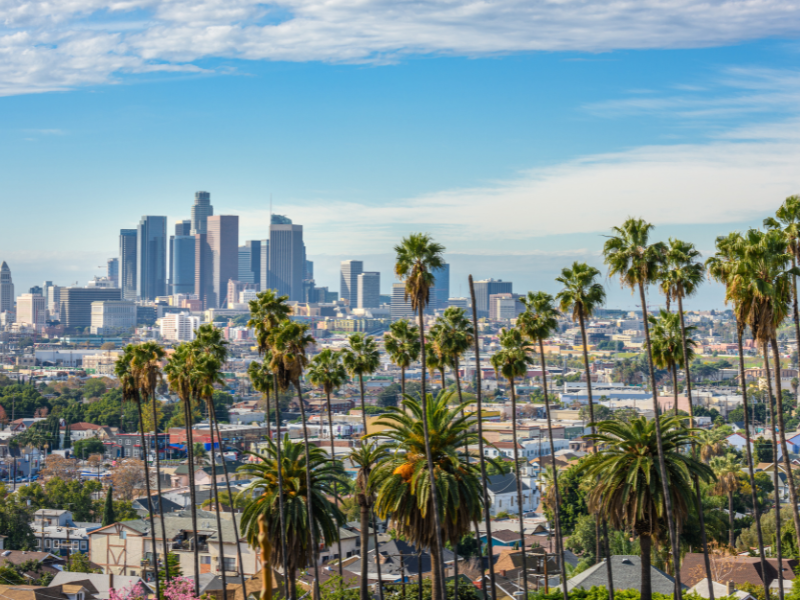
To reach Los Angeles from Lake Havasu without going back on your steps to take the I-40, you can head south along RT 95, RT 62, and RT 177 and then merge onto the I-10, which runs along Joshua Tree National Park and leads to Palm Springs, and from there to Los Angeles. Before Palm Springs, you pass through the town of Indio, which has been hosting the Coachella Valley Music and Arts Festival (simply known as "Coachella") every April since 1999. It is a three-day event featuring rock and alternative music with the most famous artists and bands, attracting tens of thousands of spectators. The entire journey is about 480 km. Los Angeles, home to Hollywood, Disneyland, and Universal Studios, is the epitome of carefree living for visitors: year-round sunshine, palm trees swaying in the wind, movie stars with luxurious residences in the hills of Beverly Hills, stunning museums, avant-garde architecture, and surf beaches.

_20261014103034.png)
_20261014103034.png)
_20261014103034.png)
_20261014102544.png)
_20261014102544.png)
_20261014102544.png)
_20261014102545.png)

_20260518122319.png)
.jpg)
