Giorno 6 — Salta → Cachi → Molinos → Cafayate
The transfer from Salta to Cafayate offers a journey through some of the most spectacular and fascinating landscapes in Salta Province, in northwestern Argentina. Along the route lies Los Cardones National Park, where you can admire vast stretches of giant cacti and breathtaking desert scenery. Cachi is a colonial adobe village in the Calchaquí Valley of Salta province, at 2,280 metres above sea level, reachable from Salta via the spectacular Cuesta del Obispo — a mountain pass exceeding 3,300 metres with views over misty forests and high-altitude grasslands. The village has streets of white limestone dust, low houses with roofs of cardón cactus and an eighteenth-century colonial church whose interior furnishings are carved from the only local wood available: dried cardón.
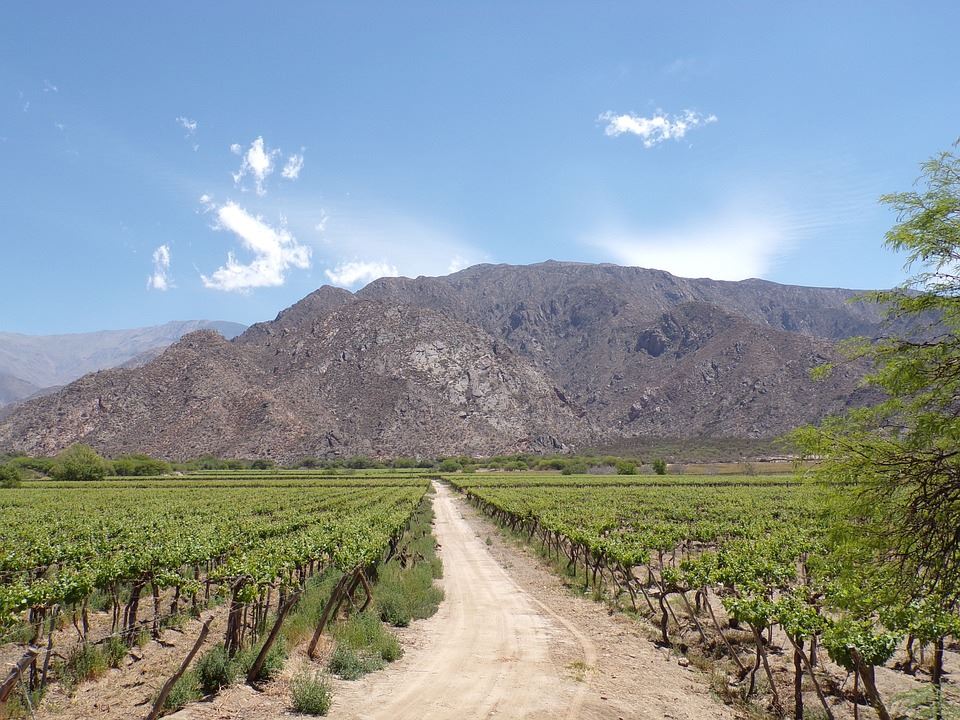
The Calchaquí Valley around Cachi is a landscape of lunar deserts, white volcanoes and high-altitude vineyards; small local producers offer artisan wines of extraordinary authenticity. The village's Museo Arqueológico holds artefacts from pre-Inca cultures of the valley. The quiet atmosphere, the intense altiplano light and the monastic landscape make Cachi an ideal stop for those seeking an alternative Argentina, far from the crowds. Molinos is a quiet colonial village in the Calchaquí Valley, in the province of Salta, around 200 kilometres south of the provincial capital, reachable along one of the most scenic roads in the Argentine North West. The church of San Pedro Nolasco, dating from the seventeenth century, and the historic Molino harinero of the Isasmendi family are the focal points of the small centre.
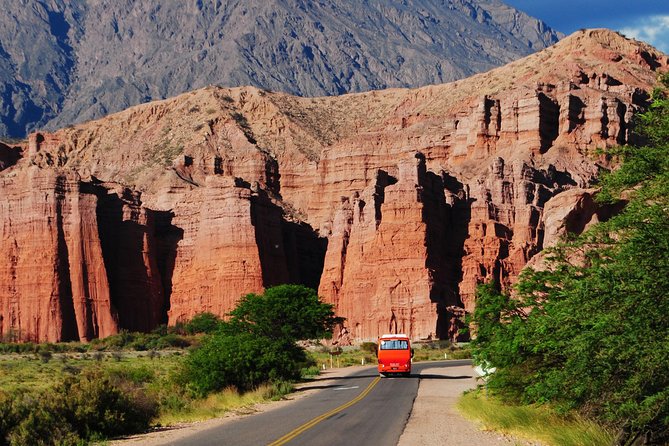
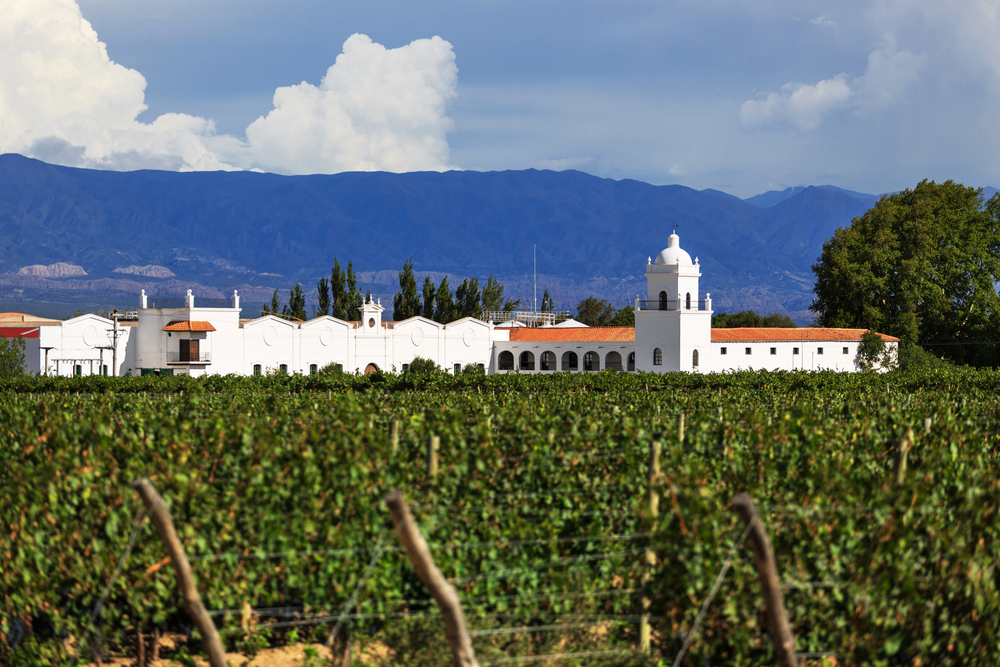
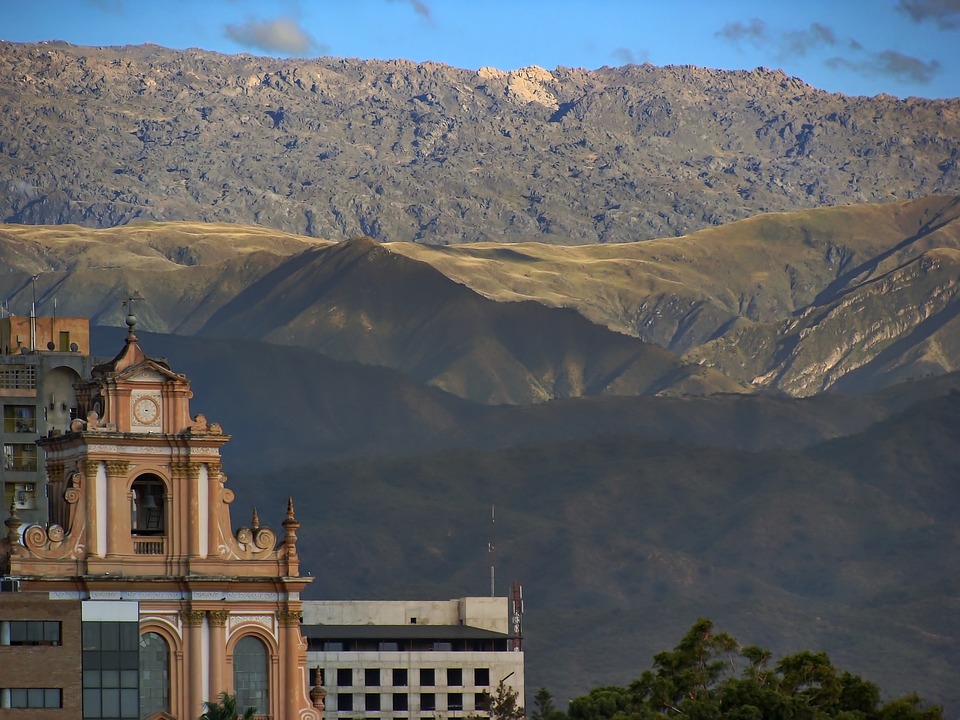
The surrounding landscape alternates reddish deserts, stands of cardón cactus and high-altitude vineyards: the wines produced in the area by small growers are among the most authentic expressions of Calchaquí. Molinos is a prized stop on the circuit linking Salta, Cachi and Cafayate, far from the crowds and rich in an authenticity of everyday life that is hard to find elsewhere. Cafayate is a charming wine town set in the Quebrada de Cafayate, around 180 kilometres south of Salta, in a landscape of red canyons, wind-sculpted rock formations and vineyards growing between 1,700 and 2,000 metres above sea level. This high-altitude microclimate, dry and sun-drenched, is ideal for white Torrontés, Argentina's most distinctly native grape variety, and for notably structured Malbec wines.
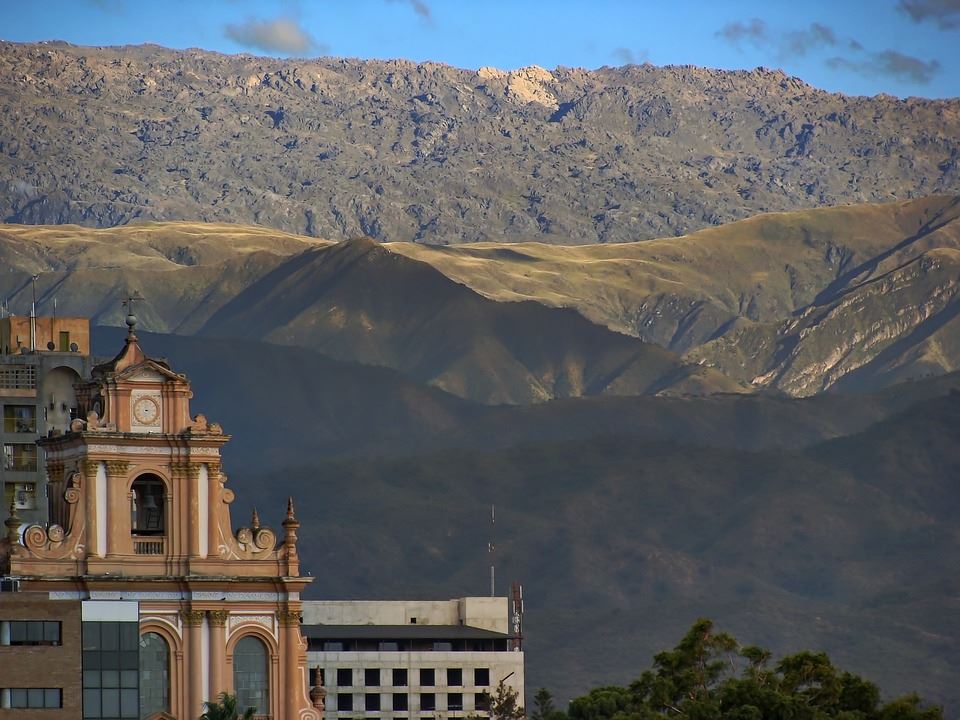
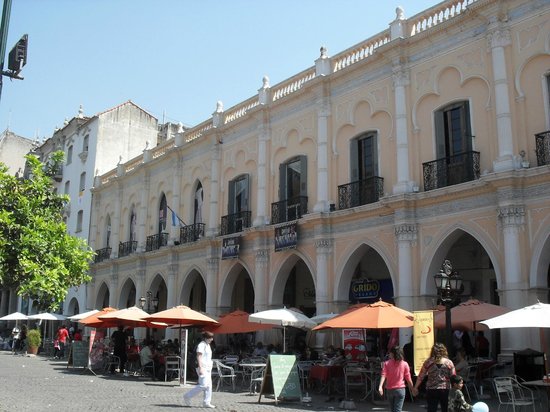
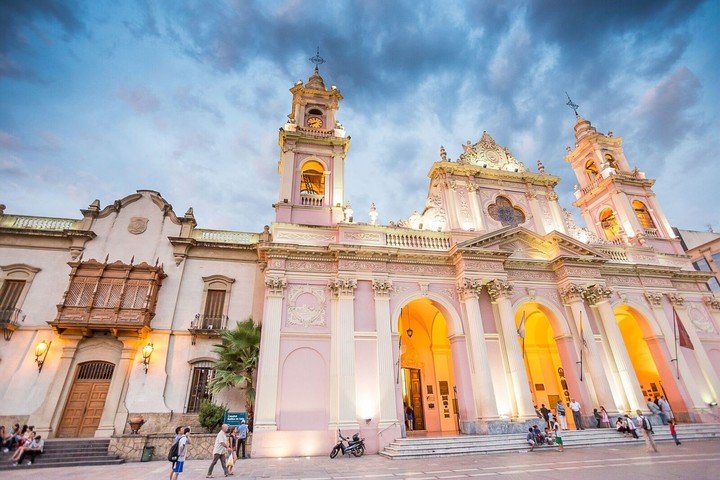
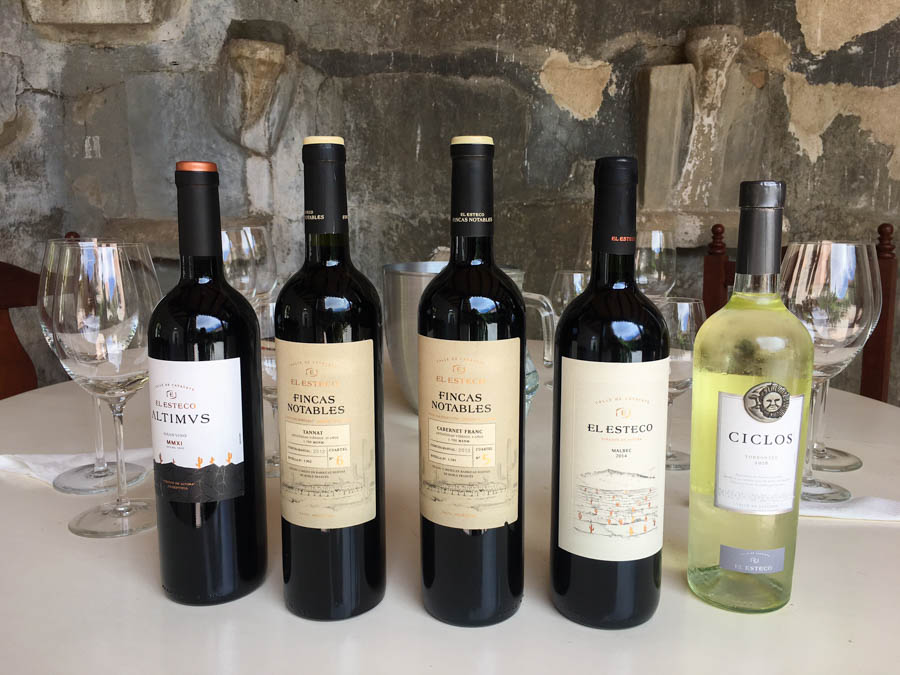
The bodegas in the area open their cellars to visitors for tastings and tours: Bodega Etchart, Bodega El Esteco and Familia Zuccardi (with its modern stone winery in the surroundings) are among the most visited. The centre of Cafayate, with its cathedral overlooking the main square, cobblestone streets and craft shops, retains the quiet charm of a colonial inland town. The Quebrada de las Conchas, the red sandstone canyon traversed along Ruta 68 towards Salta, is one of Argentina's most spectacular geological landscapes.