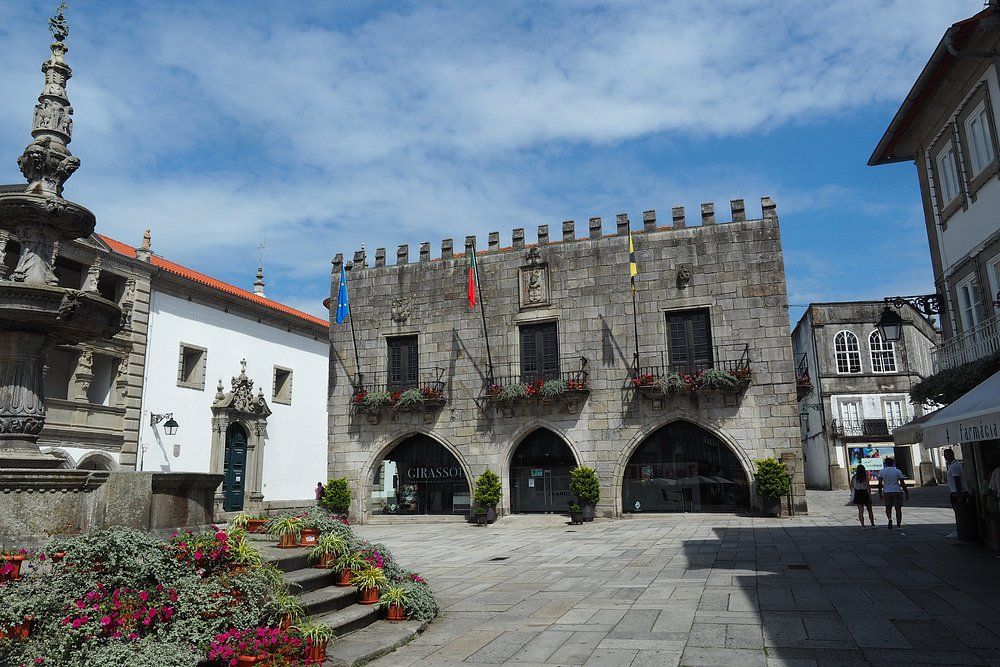
Giorno 5 — Viana do Castelo → Ponte de Lima → Parco nazionale di Peneda-Gerês
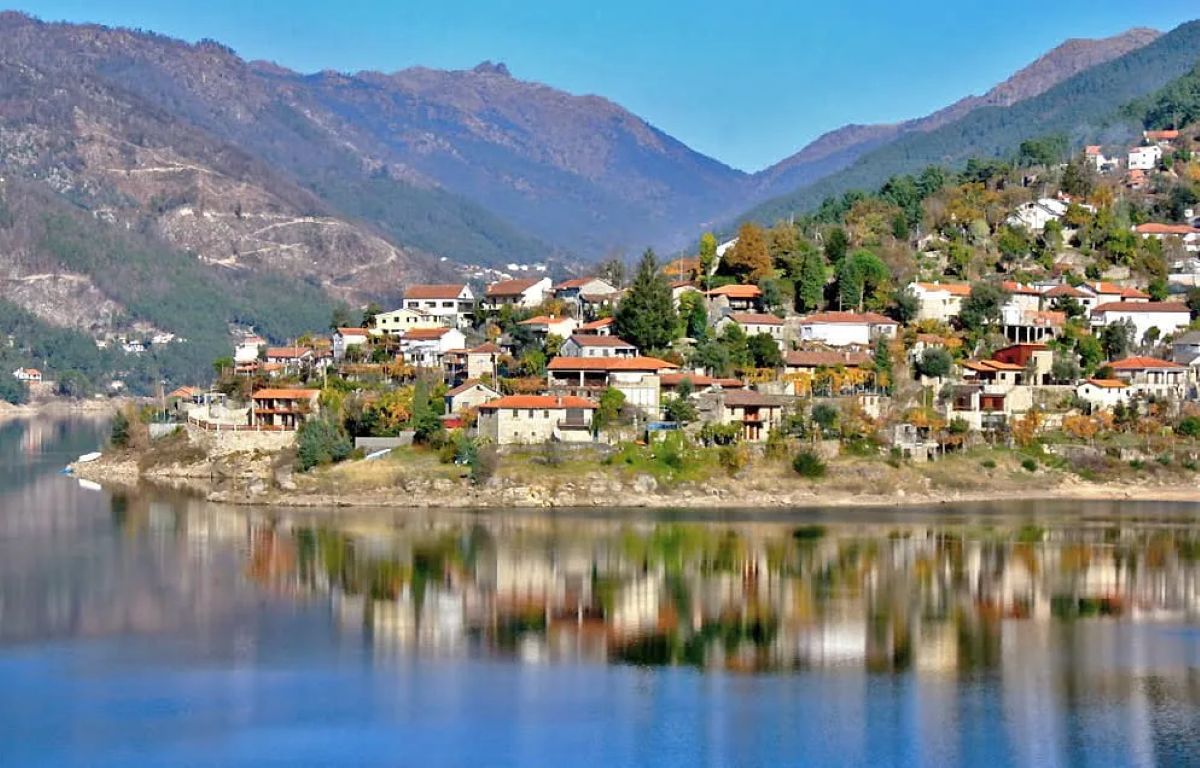
Ponte de Lima, on the Lima River, is one of Portugal’s oldest towns, shaped by its Roman-medieval bridge that defines its identity. It received its first charter in 1125 from D. Teresa, before the foundation of the kingdom. Located in a fertile agricultural region known for vinho verde, it preserves manor houses and rural estates. The town comes alive with traditional riverbank markets and medieval fairs such as the Feiras Novas. Its landscape blends history, countryside, and river life. Peneda-Gerês National Park, between Alto Minho and Trás-os-Montes in northern Portugal, is the country’s only national park, established in 1971. It covers around 703 km² across the granite massifs of Peneda, Soajo, Amarela, and Gerês, with deep valleys, oak and pine forests, and more than one hundred stone villages where traditional rural life is still present. In community settlements such as Pitões das Júnias and Tourém, ancient practices linked to mountain living and seasonal transhumance between “brandas” and “inverneiras” remain visible. The landscape combines rivers, waterfalls, and reservoirs such as Caniçada, and is home to garrano horses, deer, and the Iberian wolf. Historic paths, including the Roman Geira road, and hiking trails cross a territory where nature and culture are deeply intertwined. Activities range from trekking to kayaking and canyoning in suitable areas of the Serra do Gerês. It is advisable to always check in advance access conditions, guided visits, and updated information through official park entry points and sources.