Giorno 1 — Parigi → Giverny → Rouen
Paris seduces, and never stops: capital of art, fashion, gastronomy, and a certain way of inhabiting the world that the rest of the planet has tried to imitate without ever quite succeeding. The Eiffel Tower, rising through the morning mist above the Champ-de-Mars, is the most recognisable image on earth; yet Paris is far more than this steel icon. The Louvre houses one of the most extraordinary art collections ever assembled under a single roof, from Egyptian antiquities to David, from the Mona Lisa to the Venus de Milo. The Musée d'Orsay, installed in a former railway station, tells the story of Impressionism with unrivalled depth: Monet, Renoir, Degas, Cézanne — all gathered in halls where light filters through great skylights as if in the paintings themselves.
Every arrondissement has its own character. Le Marais, with its medieval streets and aristocratic mansions now turned into galleries and boutiques, contains the Place des Vosges, the city's oldest royal square. Montmartre, on the hill that commands the smoky rooftops of the Right Bank, retains something of the bohemian spirit that inspired Toulouse-Lautrec and Picasso; the gleaming white Sacré-Cœur stands on a hilltop esplanade from which the whole city unfolds below. Saint-Germain-des-Prés is the district of historic bookshops and philosophical cafés — Café de Flore, Les Deux Magots — where Sartre and Simone de Beauvoir wrote and debated until dawn. The Latin Quarter, on the other bank, thrums with student life around the Sorbonne and the magnificent Sainte-Chapelle, whose Gothic rose window stains the limestone in violet and scarlet.
Parisian cuisine is a world unto itself: from traditional brasseries serving steak frites and sole meunière to natural-wine bistros where young chefs reinterpret tradition with seasonal produce. Markets like Marché d'Aligre and Marché des Enfants Rouges fill the air with aged cheeses, exotic fruit and spice. The nineteenth-century covered passages — Galerie Vivienne, Passage des Panoramas — shelter antiquarian bookshops, cigar merchants and tea rooms unchanged since the 1800s.
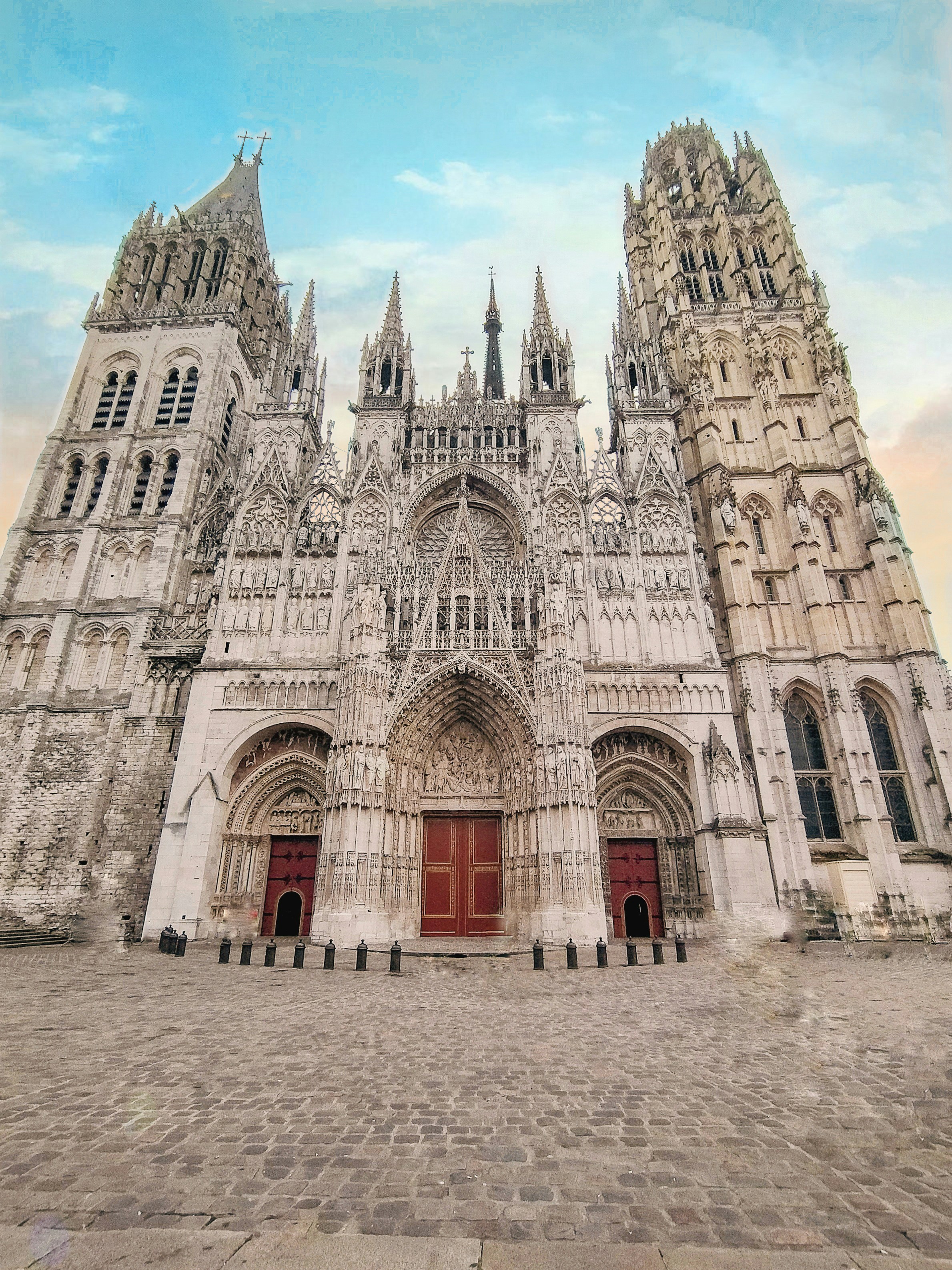
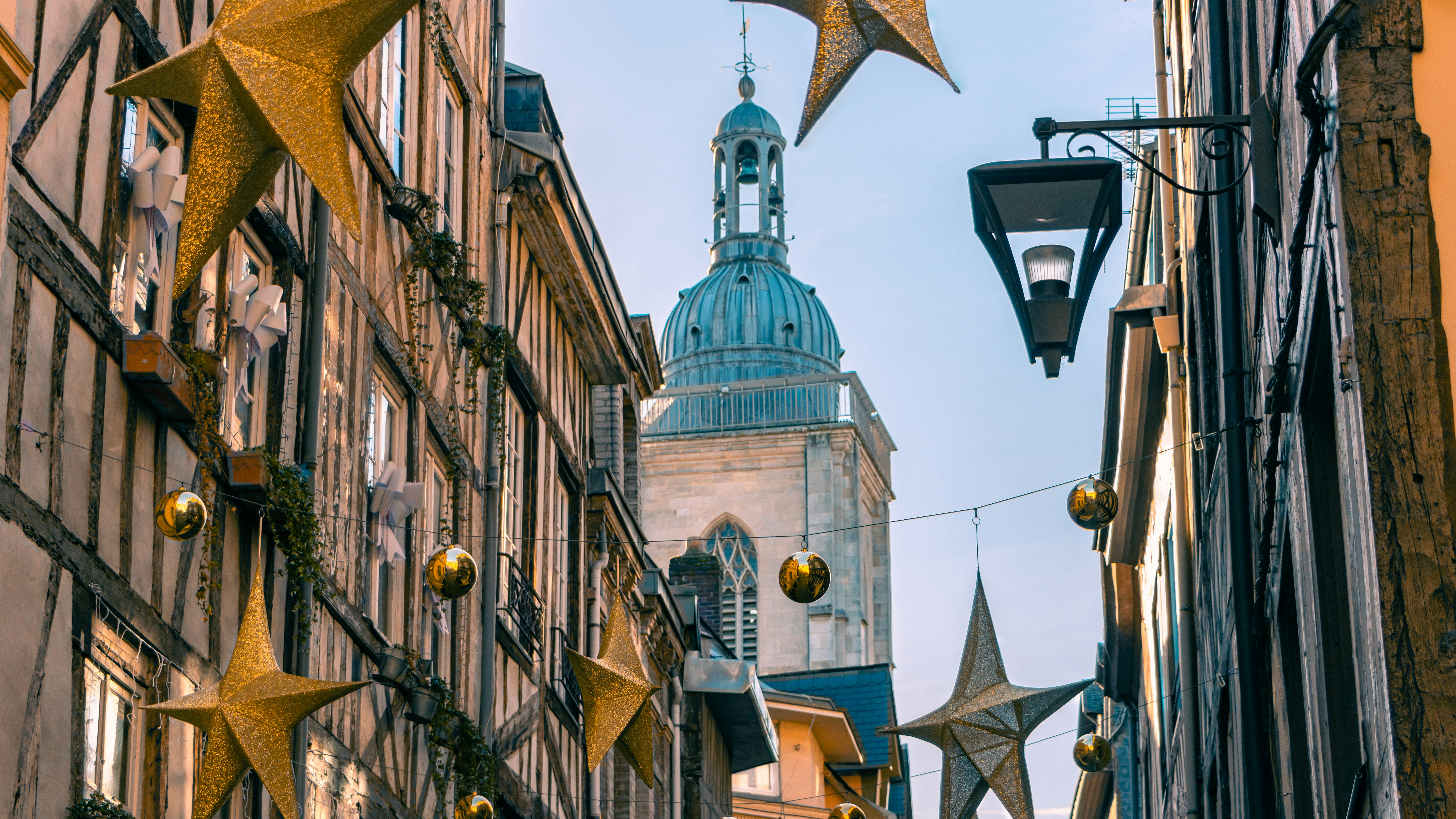
The Seine divides but above all unites, crossed by thirty bridges heavy with history: the Pont des Arts, the Pont Neuf, the Pont Alexandre III with its gilded lamps. A boat ride at sunset, when the light gilds stone façades and church spires, is the kind of moment one never forgets. Paris is not simply a destination: it is an experience of the soul, a place where every visit leaves something unresolved — and the promise of a return. Giverny is a small Normandy village that owes its worldwide fame to Claude Monet, who lived and worked here from 1883 until his death in 1926. The painter's house and, above all, the water garden with its famous Japanese bridge and water lilies are the places that inspired the Nymphéas series, now displayed at the Orangerie in Paris. In every season the garden offers a different chromatic spectacle: tulips and cherry blossoms in spring, climbing roses and wisteria in summer. The Musée des Impressionnismes Giverny, a short walk from the property, deepens the story of the bond between the Norman landscape and the Impressionist movement. Giverny is a pilgrimage for lovers of art and natural beauty. Rouen has the memory of Norman medieval life carved into the timber of its half-timbered houses: the old centre is one of the richest in France, with over two thousand colombage buildings crowding around the Cathédrale Notre-Dame — the one that Monet painted in thirty-four different versions to capture the changing light on the pink sandstone. The cathedral's cast-iron spire, the tallest in France, pierces the grey Norman sky with an almost surreal audacity. Place du Vieux-Marché is where Joan of Arc was burned at the stake in 1431: the modern church of Sainte-Jeanne-d'Arc, evocatively shaped like a flame, stands on the very spot today. The Gros-Horloge, the Renaissance astronomical clock set into an arch on Rue du Gros-Horloge, is the city's iconic symbol. The Saturday market and the brasseries around the Abbey of Saint-Ouen complete the portrait of an authentic and deeply moving Normandy.