Reykjavik›Borgarnes›Akureyri›Myvatn›Egilsstadir›Hofn›Vik i Myrdal
Itinerary
Giorno 1 — Reykjavik
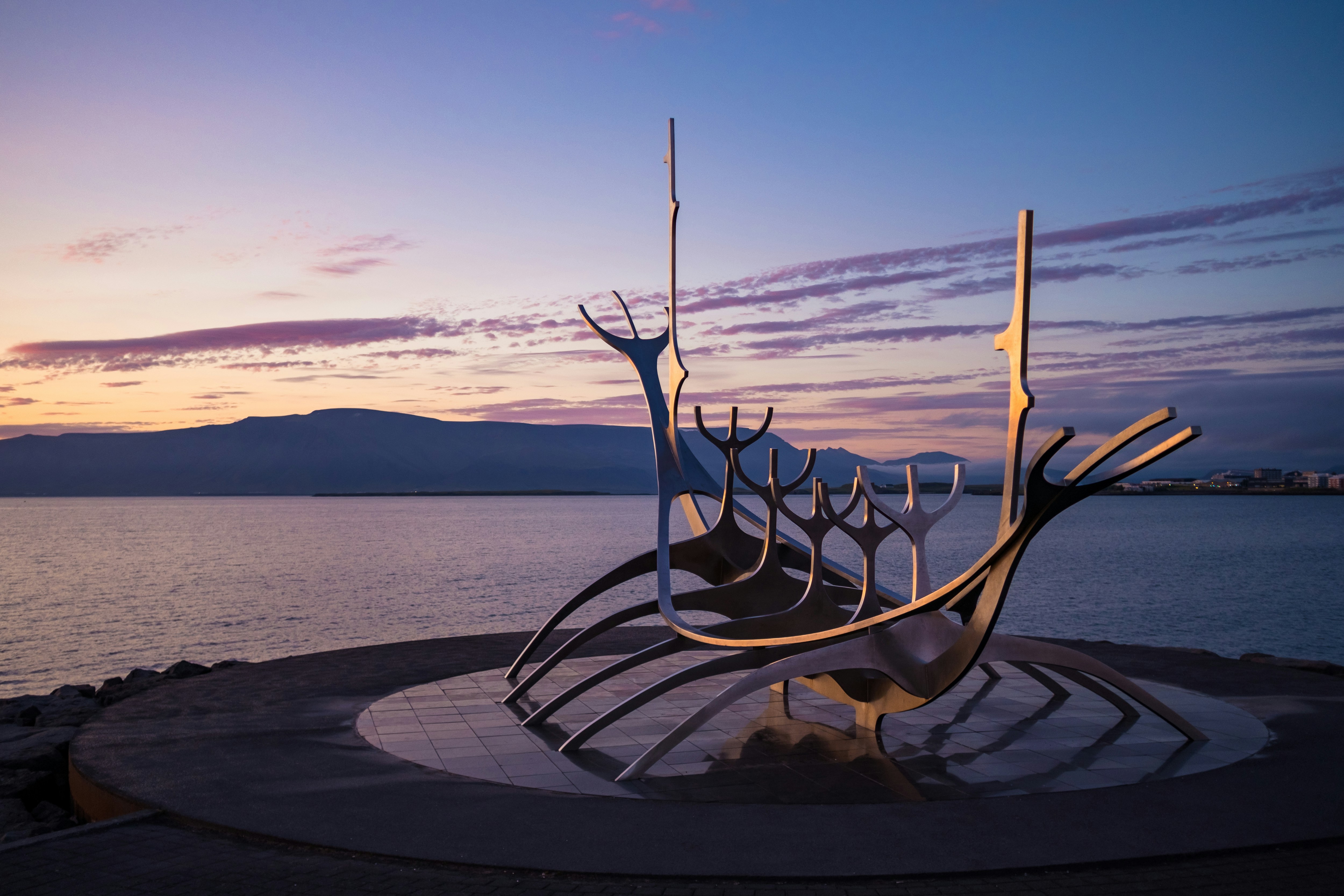
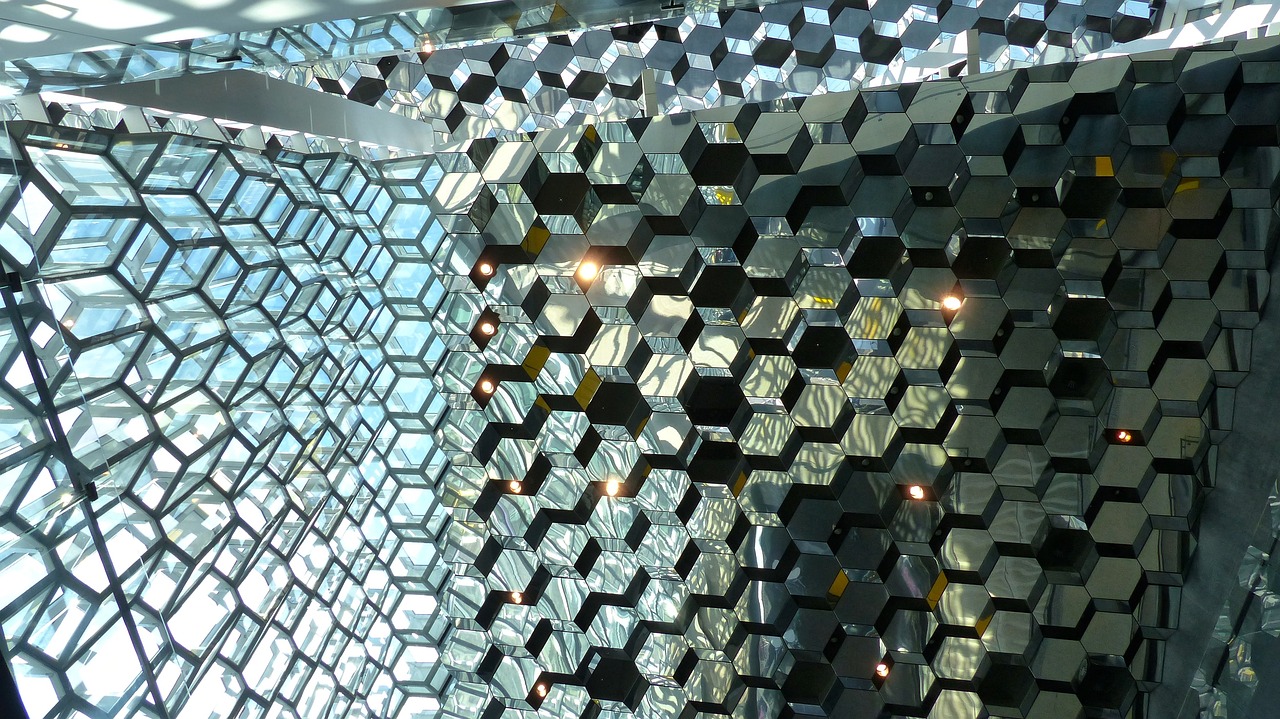
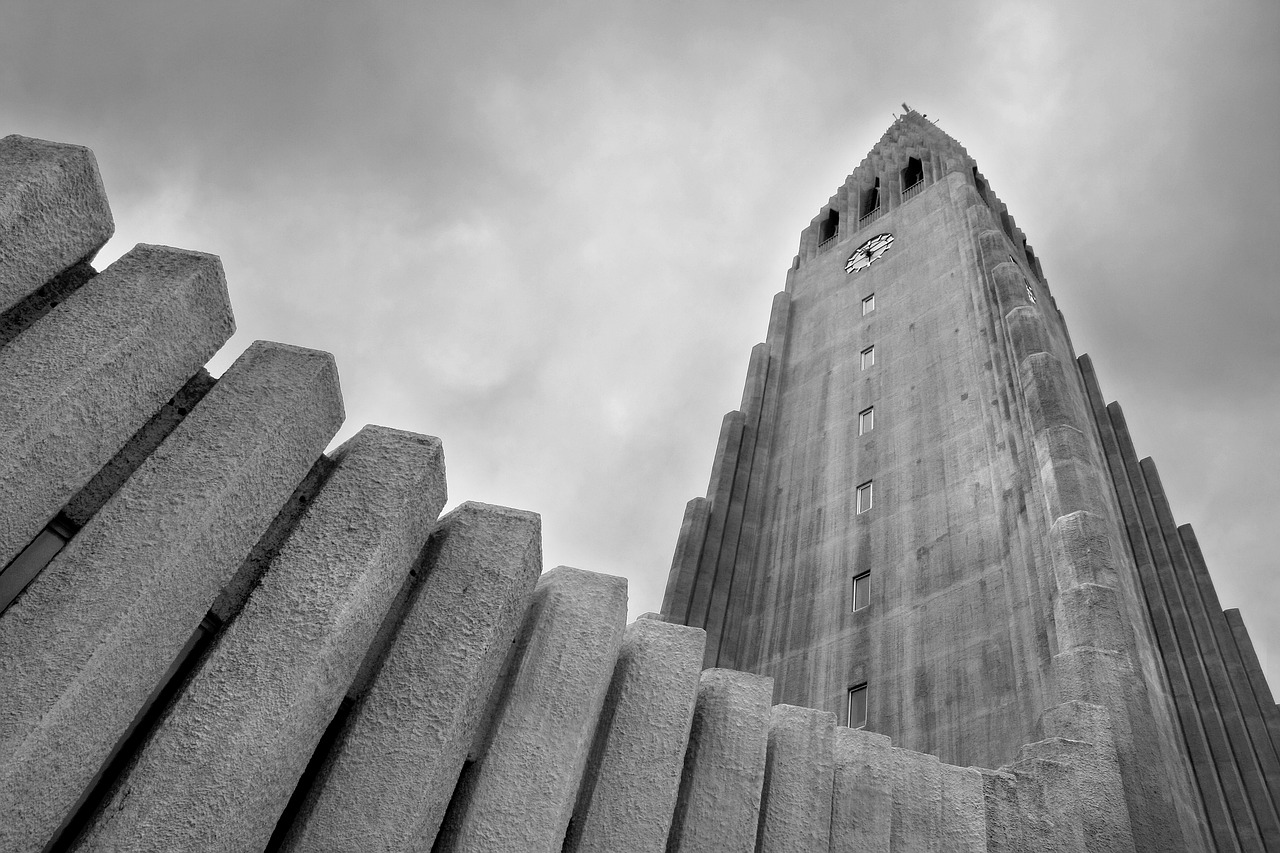
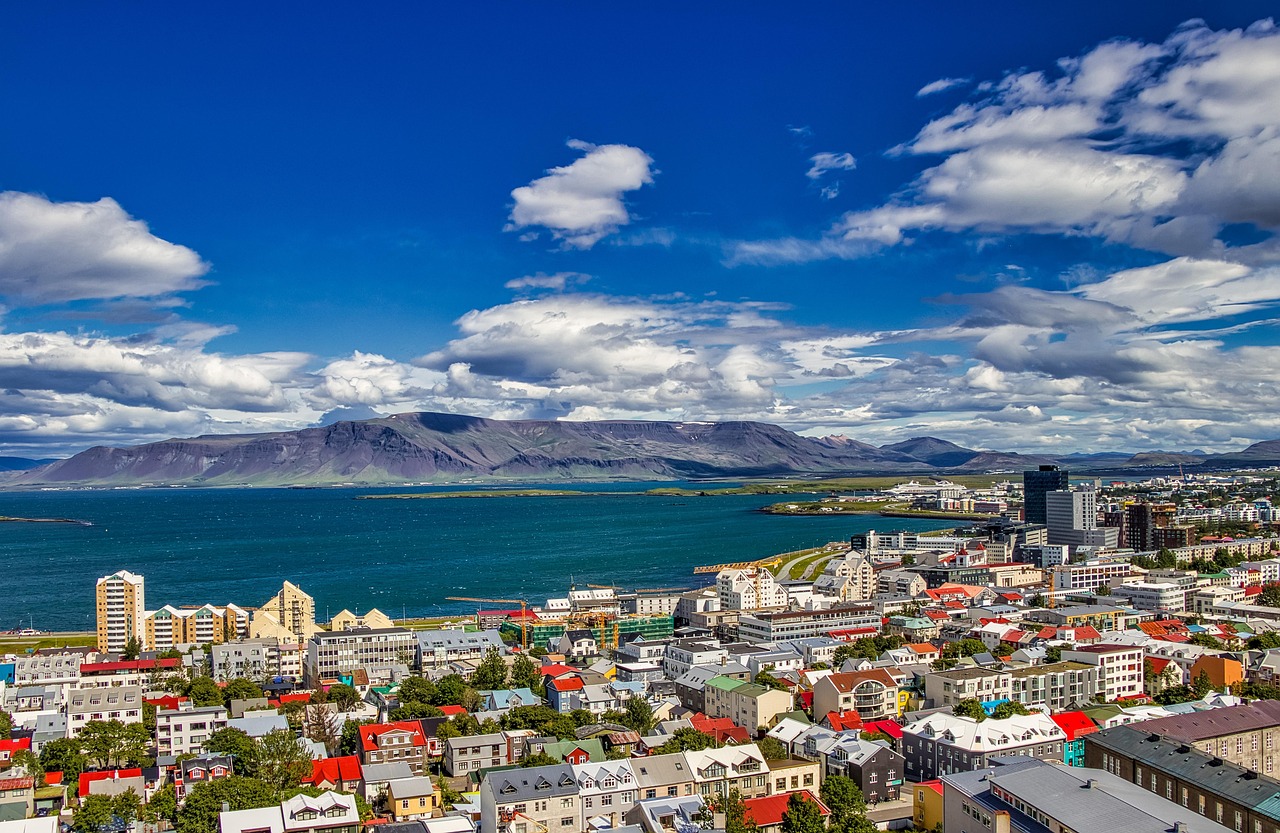
Reykjavík is the world’s northernmost capital, a compact and colourful city stretching between Faxaflói Bay and the snow-capped outline of Mount Esja. The heart of city life beats along Laugavegur, the main shopping street, and through the lanes of the Old Town, where houses clad in corrugated iron painted red, yellow and turquoise cluster around Lake Tjörnin, alive with waterfowl. Dominating the skyline is Hallgrímskirkja, the Lutheran church whose expressionist lines were inspired by basalt columns and whose tower offers sweeping views over rooftops, sea and mountains. Along the waterfront, Harpa gleams with its honeycomb glass façade catching the shifting northern light, while nearby the Sólfar sculpture, the “Sun Voyager”, traces its steel profile against the fjord. Culture has an importance far beyond the city’s size: the National Museum of Iceland recounts eleven centuries of history from the Vikings to the present day, while the Reykjavík Art Museum and the former home and studio of sculptor Einar Jónsson add to the cultural landscape. Live music venues and lively cafés animate summer evenings, when night seems almost to disappear. Reykjavík also lives through its geothermal waters: outdoor pools such as Laugardalslaug are genuine social institutions, while the geothermal beach at Nauthólsvík makes bathing possible even in winter. The city is an ideal base for exploring the Golden Circle — Þingvellir, Geysir and Gullfoss waterfall — as well as for excursions in search of the Northern Lights or whales in the waters of the bay. With Nordic design, a food scene that reinterprets fish, lamb and wild ingredients, and a creative energy out of all proportion to its size, Reykjavík is a vibrant gateway to Iceland.
Auto
Giorno 2 — Reykjavik → Borgarnes
Borgarnes occupies a narrow peninsula reaching into Borgarfjörður, a scenic spot along Route 1 north of Reykjavík. Closely tied to the Icelandic sagas, the town is home to the Settlement Centre, which recounts the Viking colonisation and the story of Egill Skallagrímsson, hero of one of the most famous sagas. The surrounding district is one of the west''s richest in history and nature: nearby lie the Deildartunguhver hot springs, the most powerful in Europe, and the Hraunfossar and Barnafoss waterfalls, which spill from a lava field. Borgarnes is also a handy crossroads for those heading towards the Snæfellsnes peninsula or the interior highlands. Between watery landscape, saga heritage and volcanism, it is a town with character on the road west.
Auto
Giorno 3 — Borgarnes → Akureyri
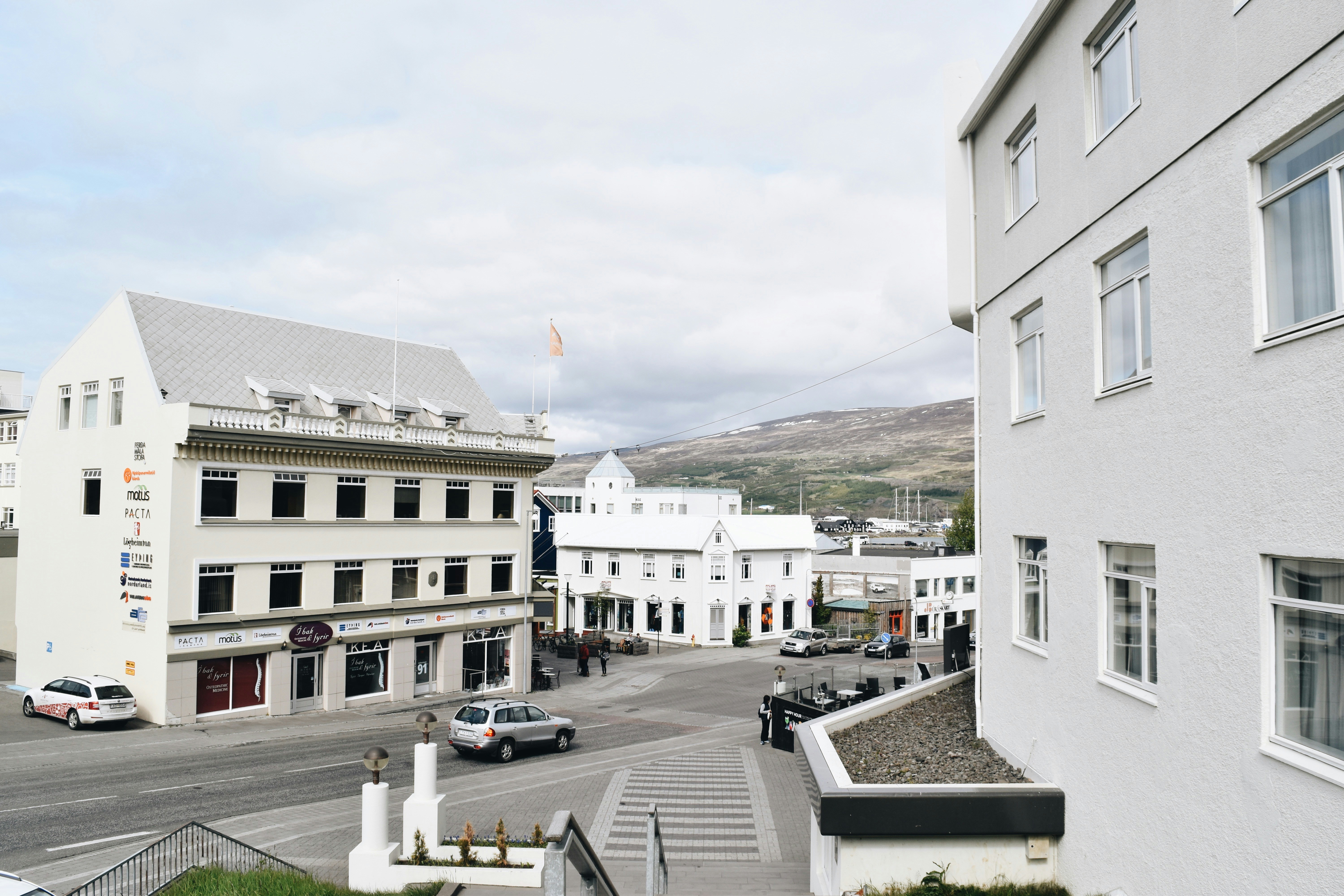
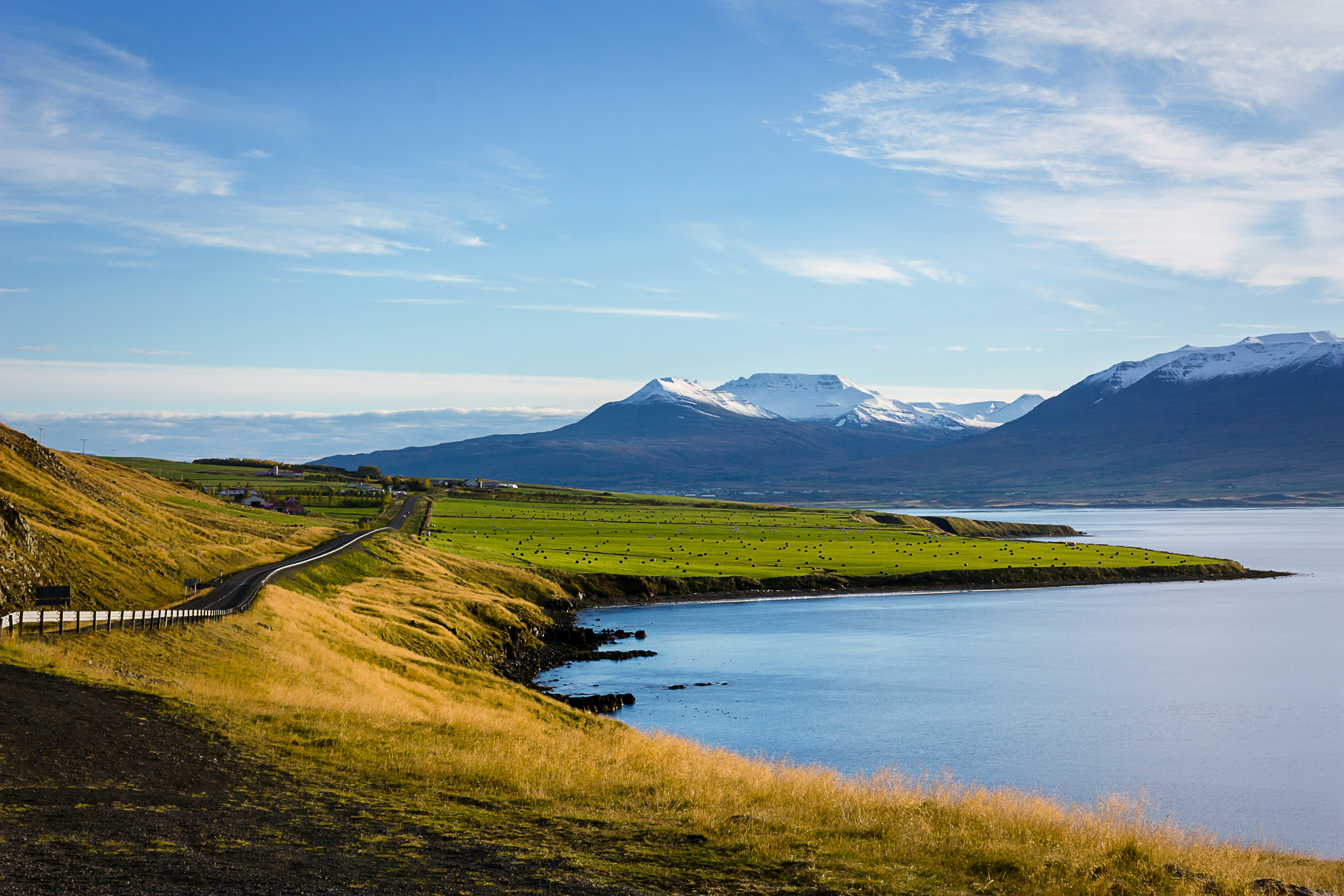
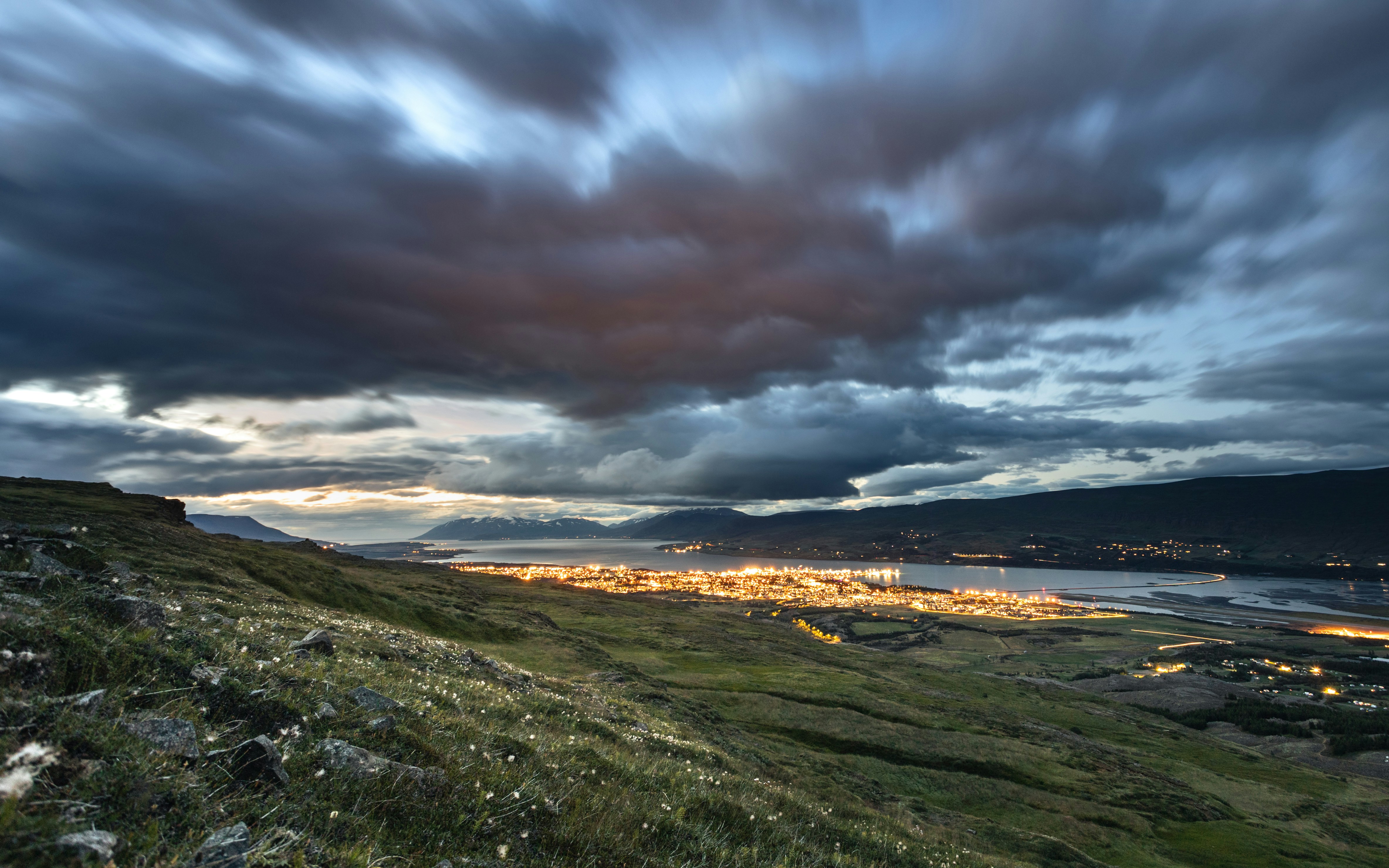
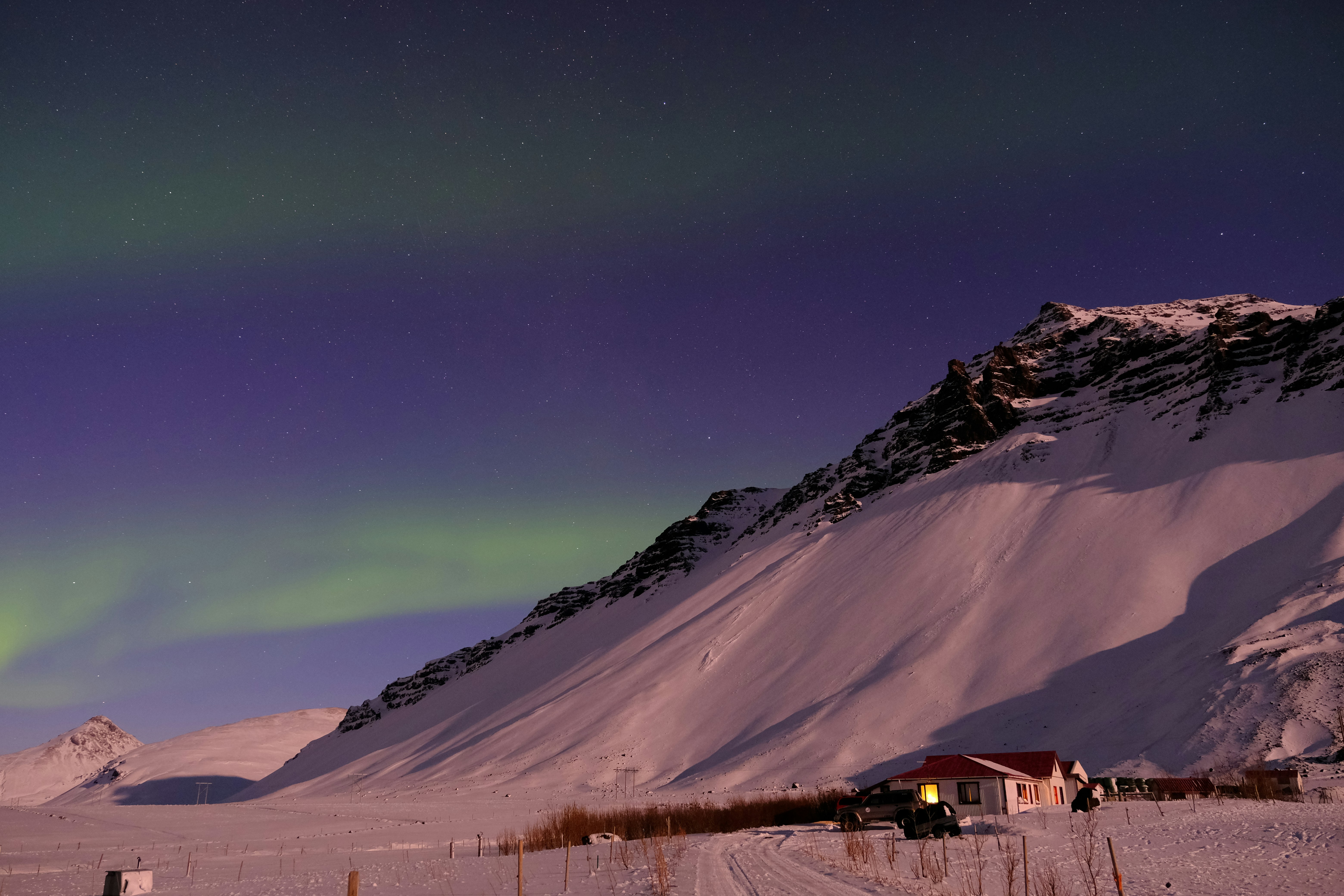
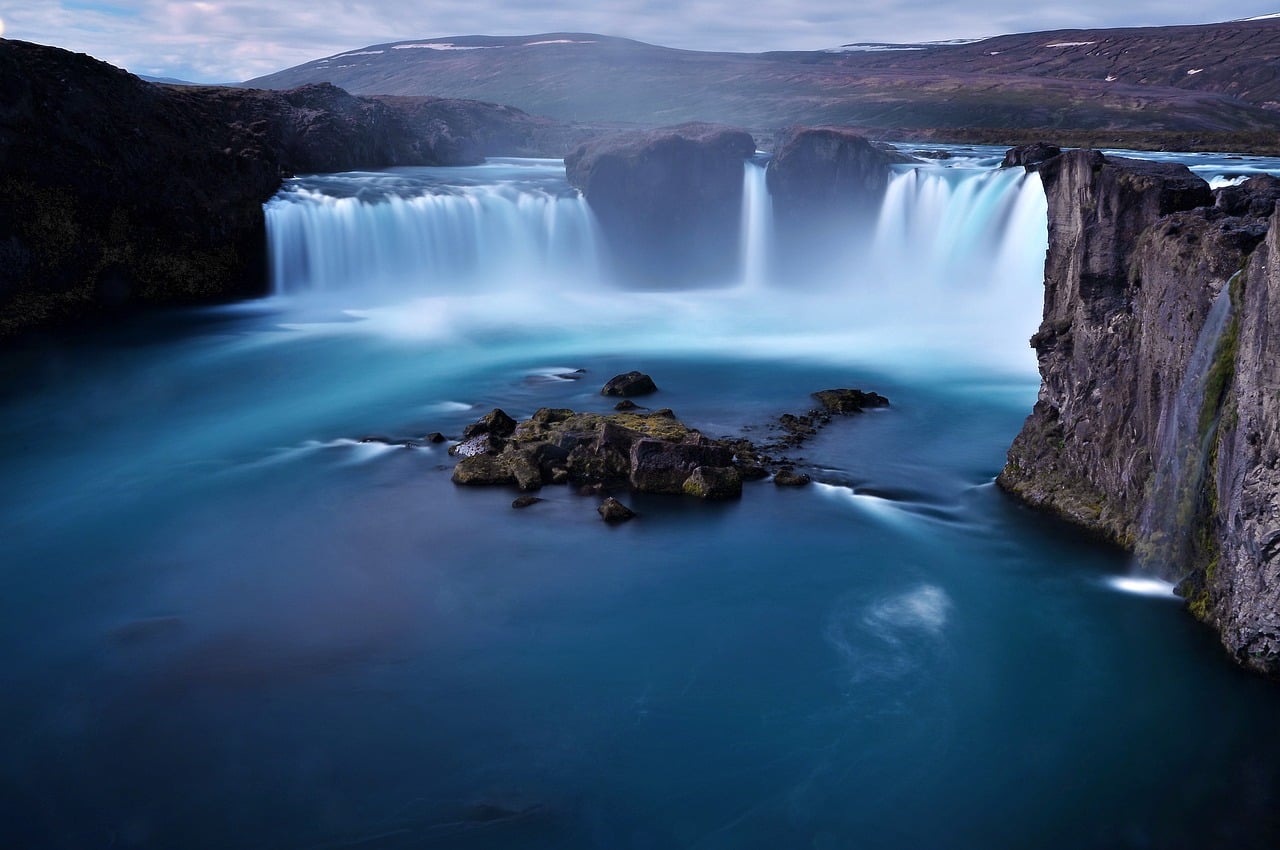
Akureyri stands at the head of Eyjafjörður, Iceland''s longest fjord, and is the “capital of the North”, the country''s second urban area. Sheltered by mountains, it enjoys a surprisingly mild microclimate that nourishes the Lystigarðurinn botanical garden, one of the northernmost in the world, rich in Arctic and alpine species. The centre gathers cafés, shops and the church of Akureyrarkirkja, designed by the same architect as Hallgrímskirkja, which crowns the town from the top of its stairway. Akureyri is the natural base for exploring the North: the Goðafoss waterfall, Lake Mývatn with its lava fields, the whaling town of Húsavík and the ski slopes of Hlíðarfjall are all within a day''s reach. In winter the fjord offers excellent chances of the northern lights, while summer brings long hikes through green valleys and whale-watching cruises. Lively and welcoming, Akureyri combines urban comforts with grand nature.
Auto
Giorno 4 — Akureyri → Myvatn
Mývatn, literally “midge lake”, is one of the most extraordinary natural sites in the north, a shallow lake born of eruptions and ringed by one of the island''s most varied volcanic landscapes. Its waters host an exceptionally rich waterfowl population, while all around unfold spectacular geothermal phenomena: the pseudocraters of Skútustaðir, the bizarre lava pinnacles of Dimmuborgir, the steaming Hverir field with its boiling mud pools and the Víti explosion crater. Nearby, the Mývatn Nature Baths offer the “Nordic cousin” of the Blue Lagoon in a more intimate version. From here the powerful Dettifoss waterfall is within reach. Between fire and water, Mývatn is a distillation of Iceland''s geological wonders.
Auto
Giorno 5 — Myvatn → Egilsstadir
Egilsstaðir is the main town of eastern Iceland, founded relatively recently on the shores of Lake Lagarfljót, whose dark waters feed the legend of a water serpent, the Lagarfljótsormur. On the far side of the lake stretches Hallormsstaðaskógur, the country''s largest forest, a rare wooded space on an island almost without trees. A hub for regional roads and flights, the town is the gateway to the eastern fjords and their landscape of deep inlets and fishing villages. From here travellers reach the spectacular Hengifoss waterfall, with its red bands of clay, and picturesque Seyðisfjörður beyond the mountain pass. Egilsstaðir offers services, comforts and an ideal starting point for discovering Iceland''s remote east.
Auto
Giorno 6 — Egilsstadir → Hofn
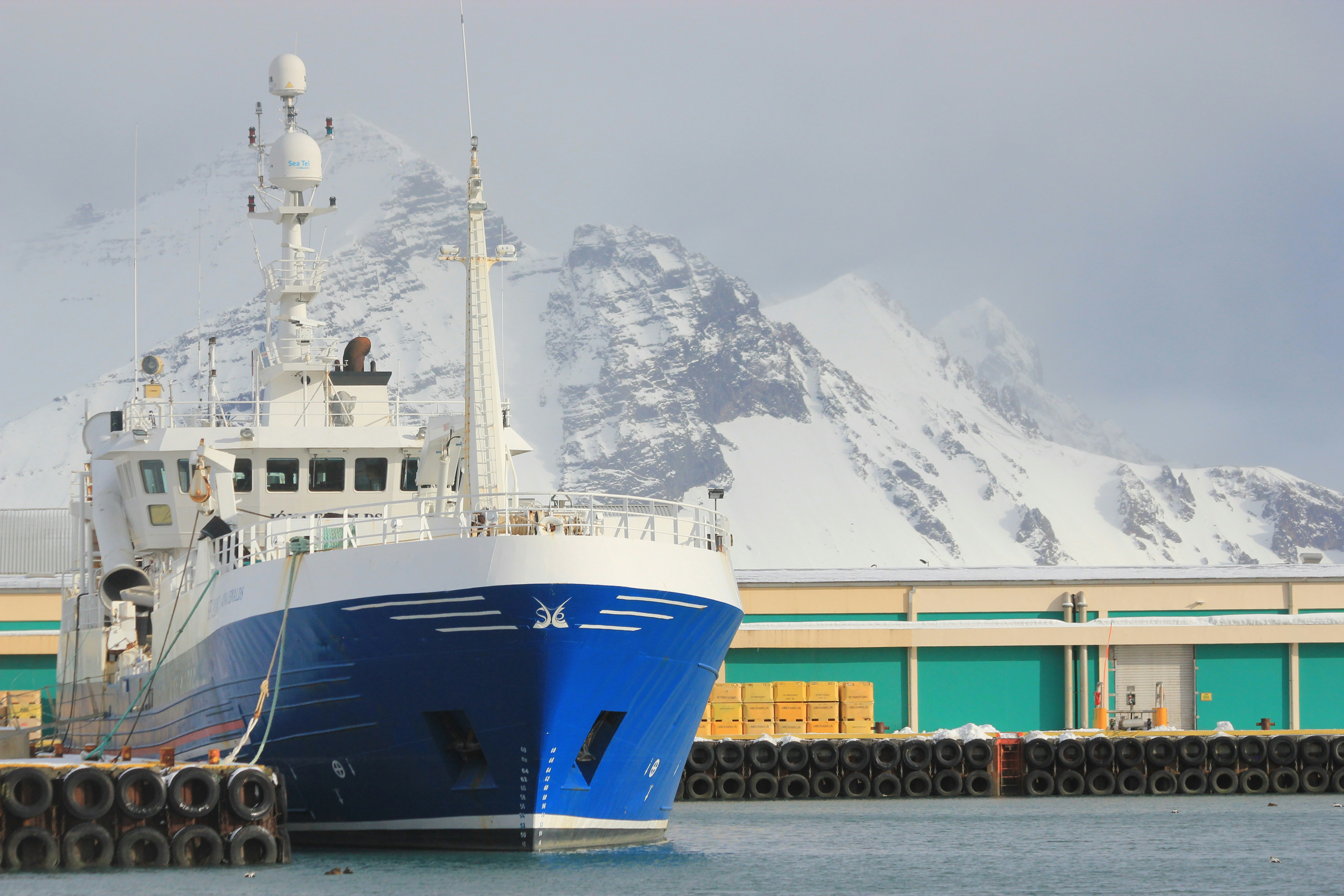
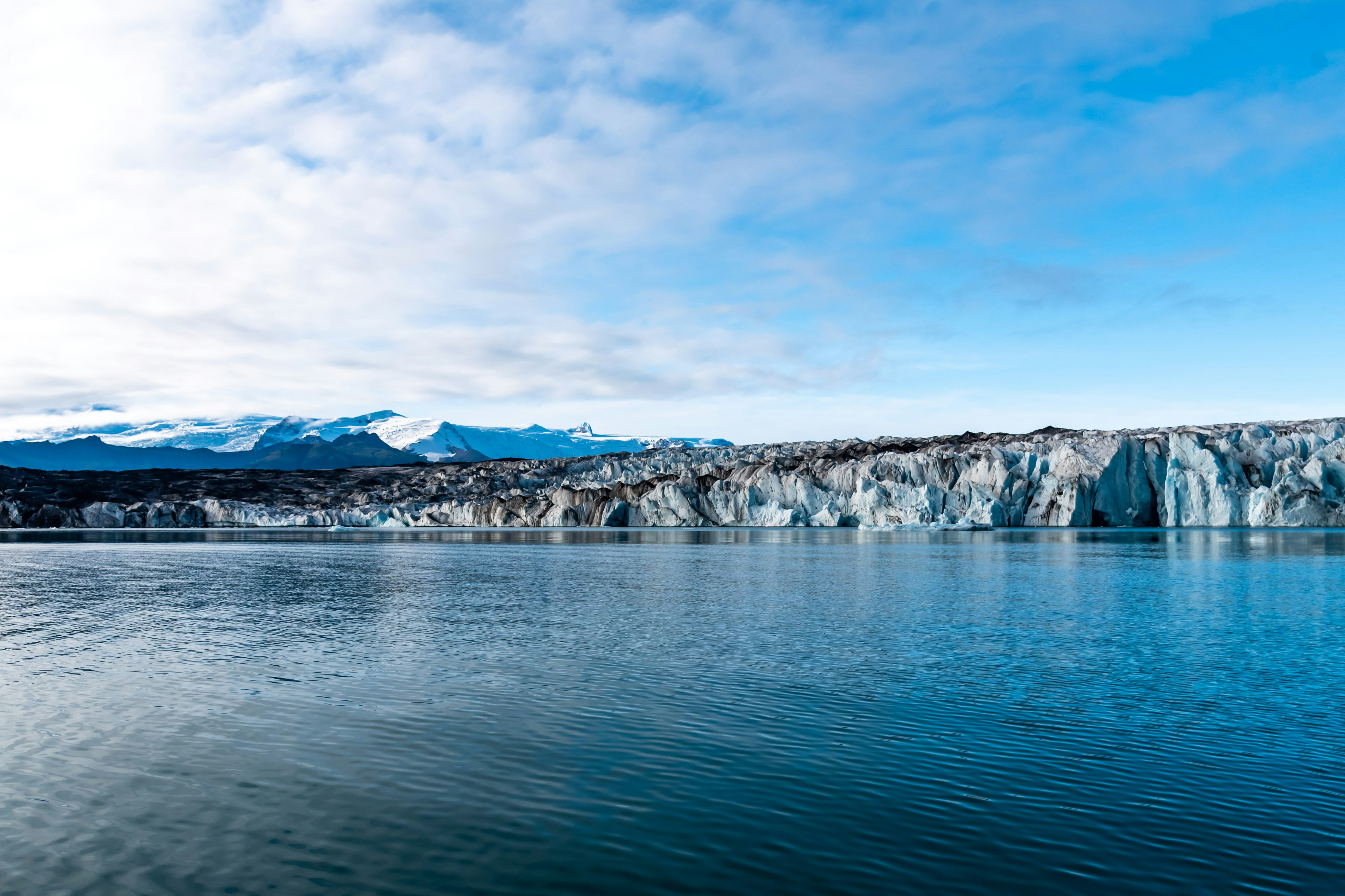
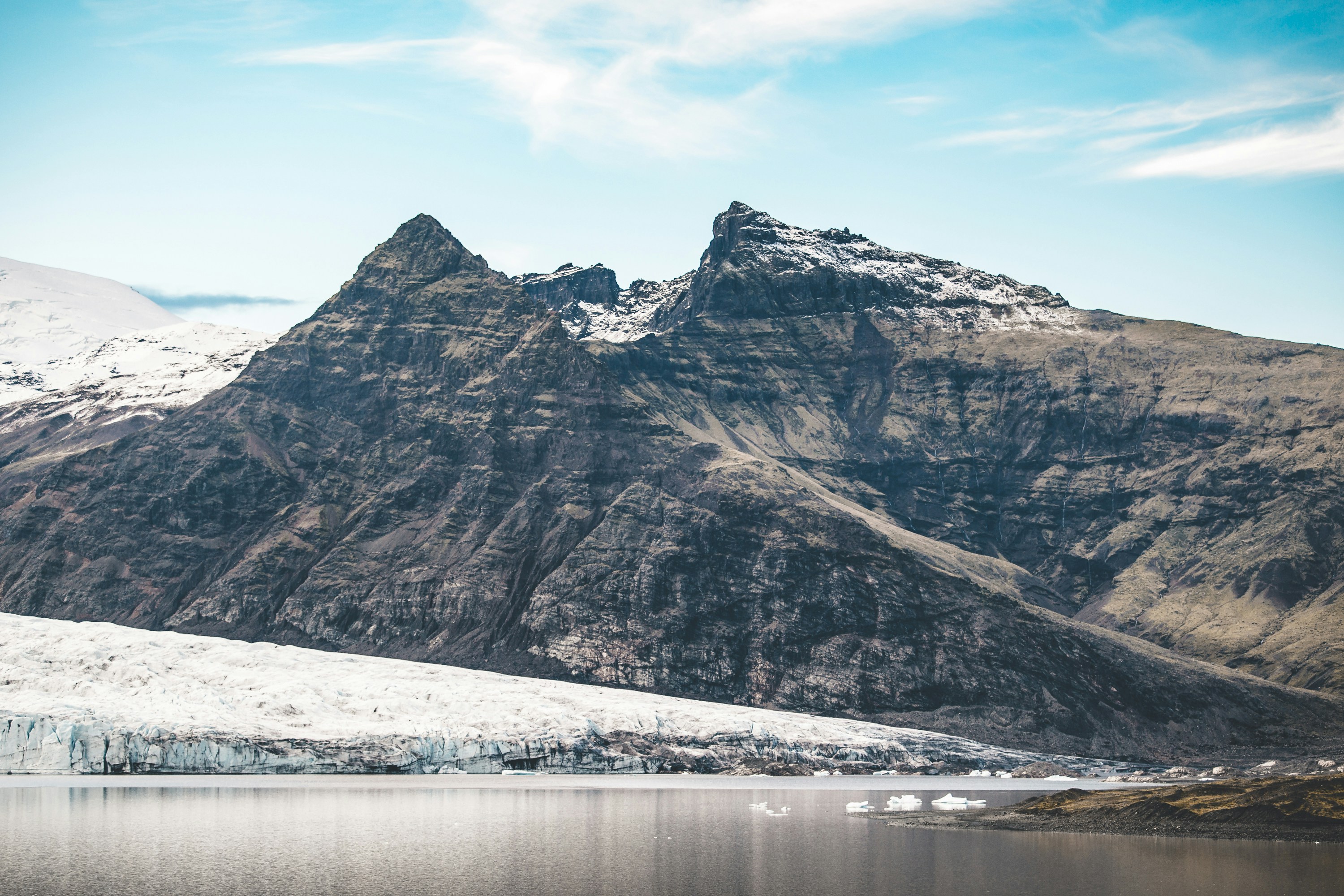
Höfn, whose name simply means “harbour”, looks out over the Hornafjörður lagoon with a dreamlike backdrop: the Vatnajökull ice cap and its glacial peaks. A lively fishing town, it is famous for its langoustine, the star of the annual Humarhátíð lobster festival. The waterfront and piers offer glimpses of the glacier mirrored in calm waters, while the harbour restaurants serve the day''s catch. Höfn is the eastern gateway to the UNESCO-listed Vatnajökull National Park and a convenient base for visiting the Jökulsárlón glacial lagoon and trying a glacier hike. Between sea and ice cap, it is a flavourful and scenic stop along Route 1.
Auto
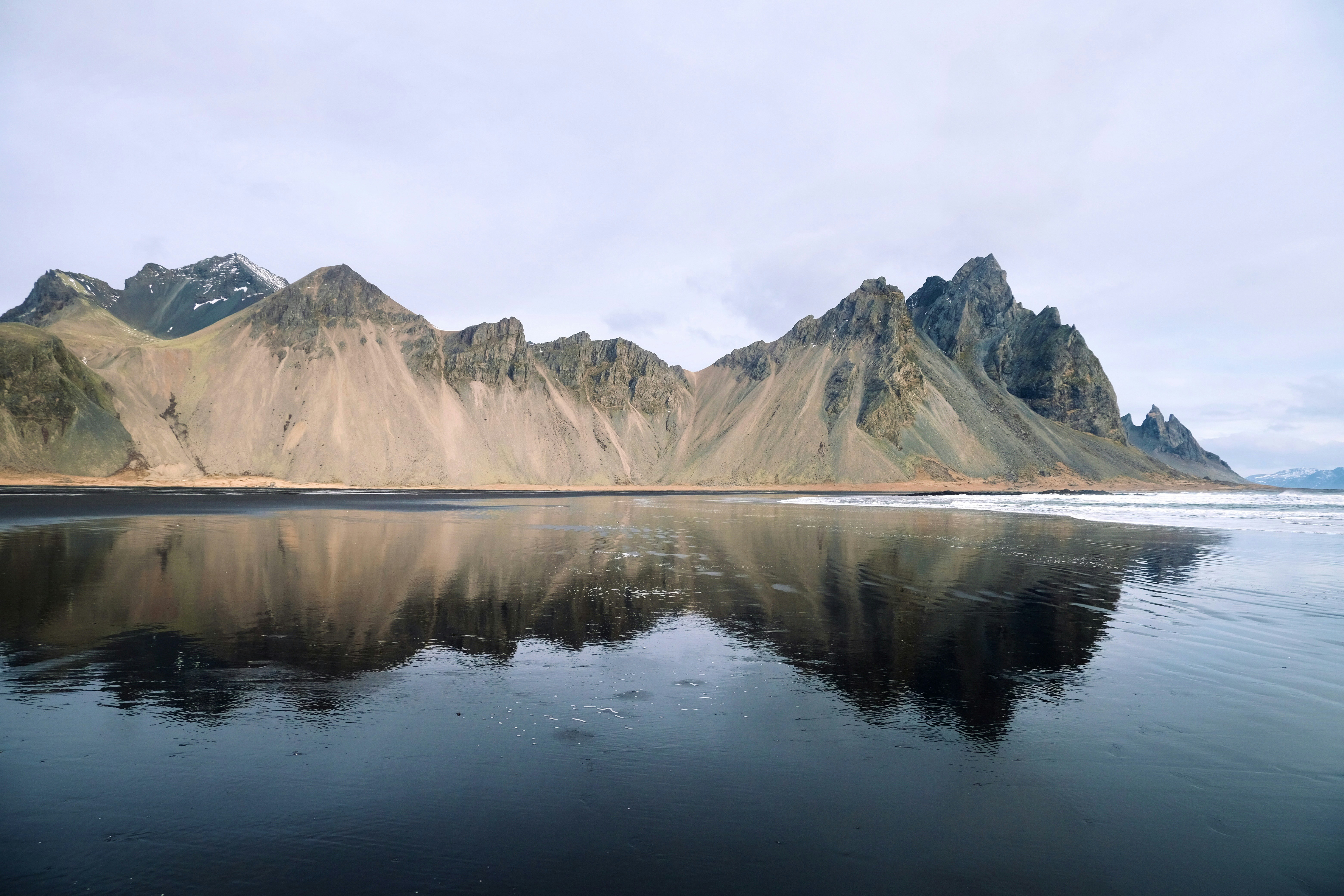
Giorno 7 — Hofn → Vik i Myrdal
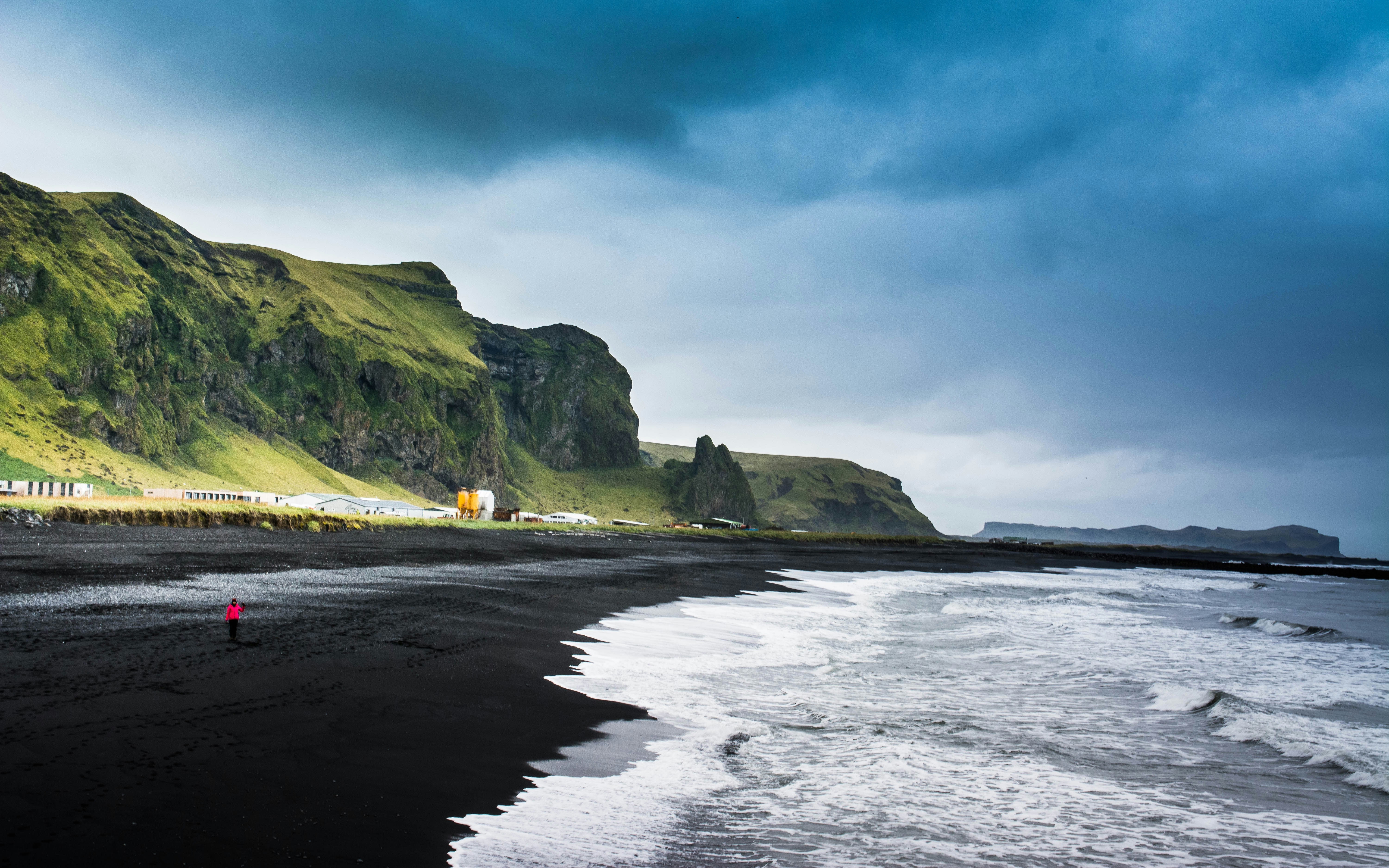
Vík í Mýrdal is Iceland''s southernmost village, gathered between steep green cliffs and the Atlantic Ocean, in the shadow of the subglacial volcano Katla. The little white church with its red roof, perched on the hilltop, is the village''s postcard image. A few steps separate the settlement from the famous black-sand beach of Reynisfjara, where the basalt columns of the Hálsanefshellir cave and the Reynisdrangar sea stacks rise from the waves — a beautiful but dangerous shore, to be admired from a distance because of its sneaker waves. Vík is an ideal base for exploring the south coast: the Skógafoss and Seljalandsfoss waterfalls, the Dyrhólaey headland with its rock arch, and the puffin colonies. Suspended between glacier, volcano and ocean, it is one of the country''s most striking places.