Costa Rica Best Of: Vulcano Arenal, Monteverde & Manuel Antonio
Itinerari consigliati8 Giorni
San Jose de Costa Rica, Costarica
San Jose de Costa Rica›Vulcano Arenal›Monteverde›Manuel Antonio
Servizi
Esperienze
avvistamento animali
ecoturismo
mare e spiaggia
natura
paesaggi
Itinerary
Giorno 1 — San Jose de Costa Rica
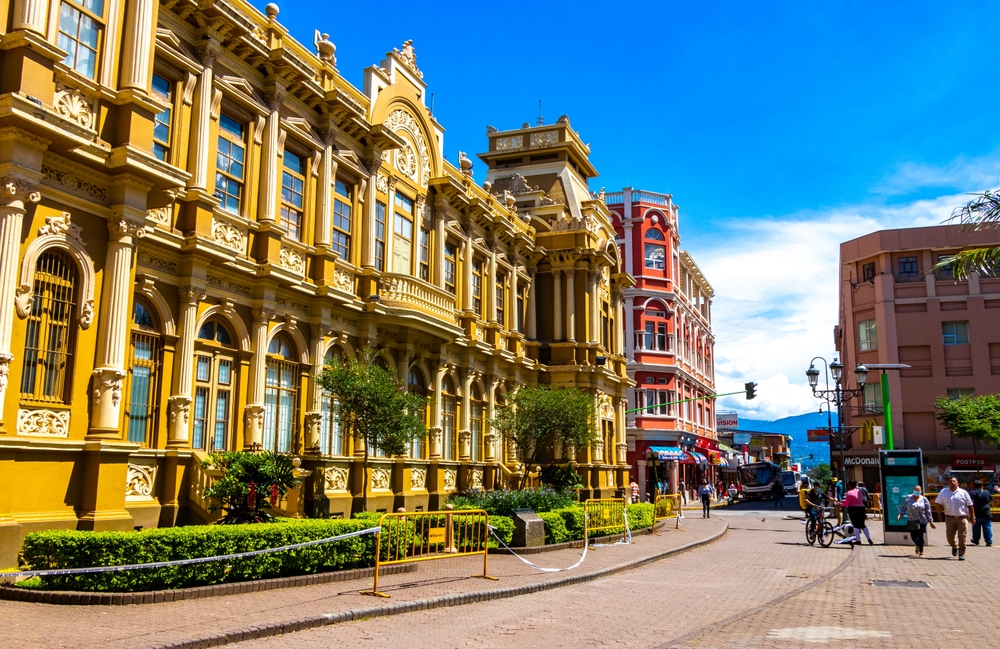
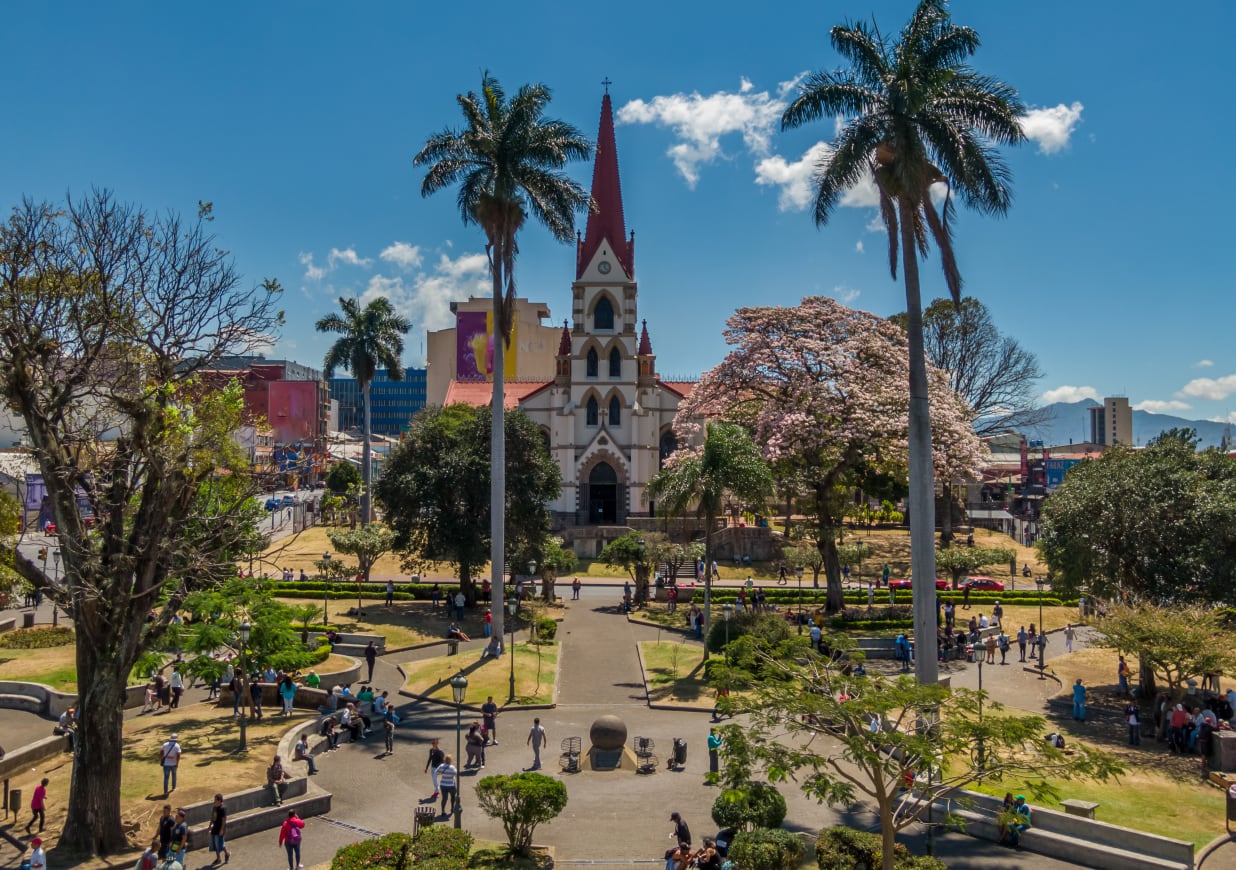
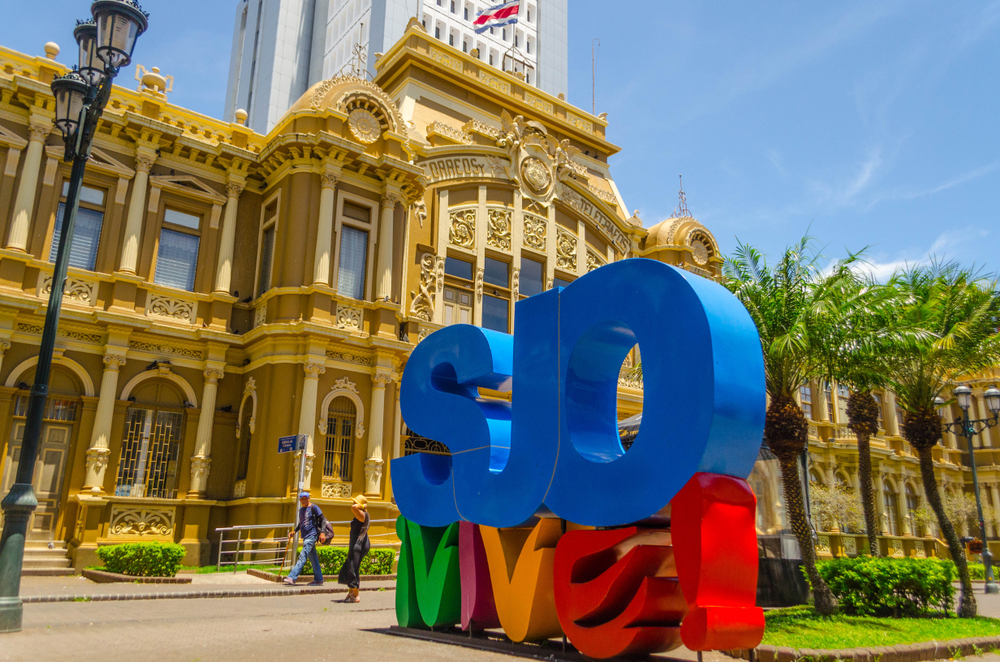
San José is the starting point of almost every journey through Costa Rica: a capital set at over 1,100 metres in the fertile Central Valley, ringed by an amphitheatre of green mountains and volcanoes. The city trades less on monumental beauty than on the lively, authentic atmosphere of tico life. Its historic core revolves around the Teatro Nacional, a late-nineteenth-century neoclassical gem with marble interiors and frescoes, facing the Plaza de la Cultura. A few steps away stand the Museo del Oro Precolombino, home to a remarkable collection of gold artefacts from indigenous cultures, and the Museo Nacional, housed in the former Bellavista barracks. The Museo del Jade displays the world’s largest collection of pre-Columbian jade, while the Mercado Central teems with stalls, sodas and the scents of coffee and tropical fruit. The pedestrian Avenida Central gathers the commercial bustle, and the neighbourhoods of Barrio Amón and Escalante, with their historic houses, cafés and restaurants, tell the story of a more contemporary, creative San José. The city is an easy base for excursions to the Poás and Irazú volcanoes, the coffee plantations and the valley villages. San José is an urban gateway to the country: practical, welcoming and best discovered one neighbourhood at a time before plunging into nature.
Auto
Giorno 2 — San Jose de Costa Rica → Vulcano Arenal
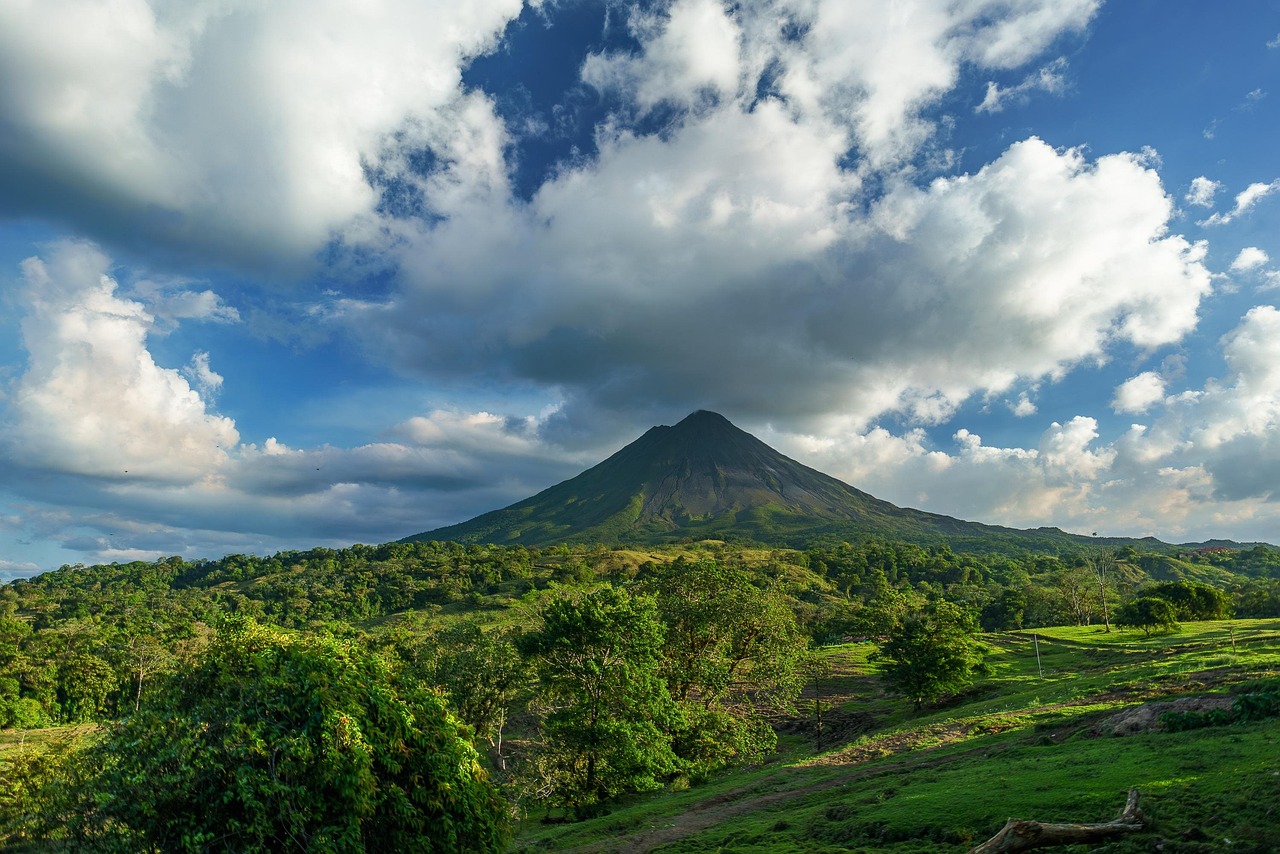
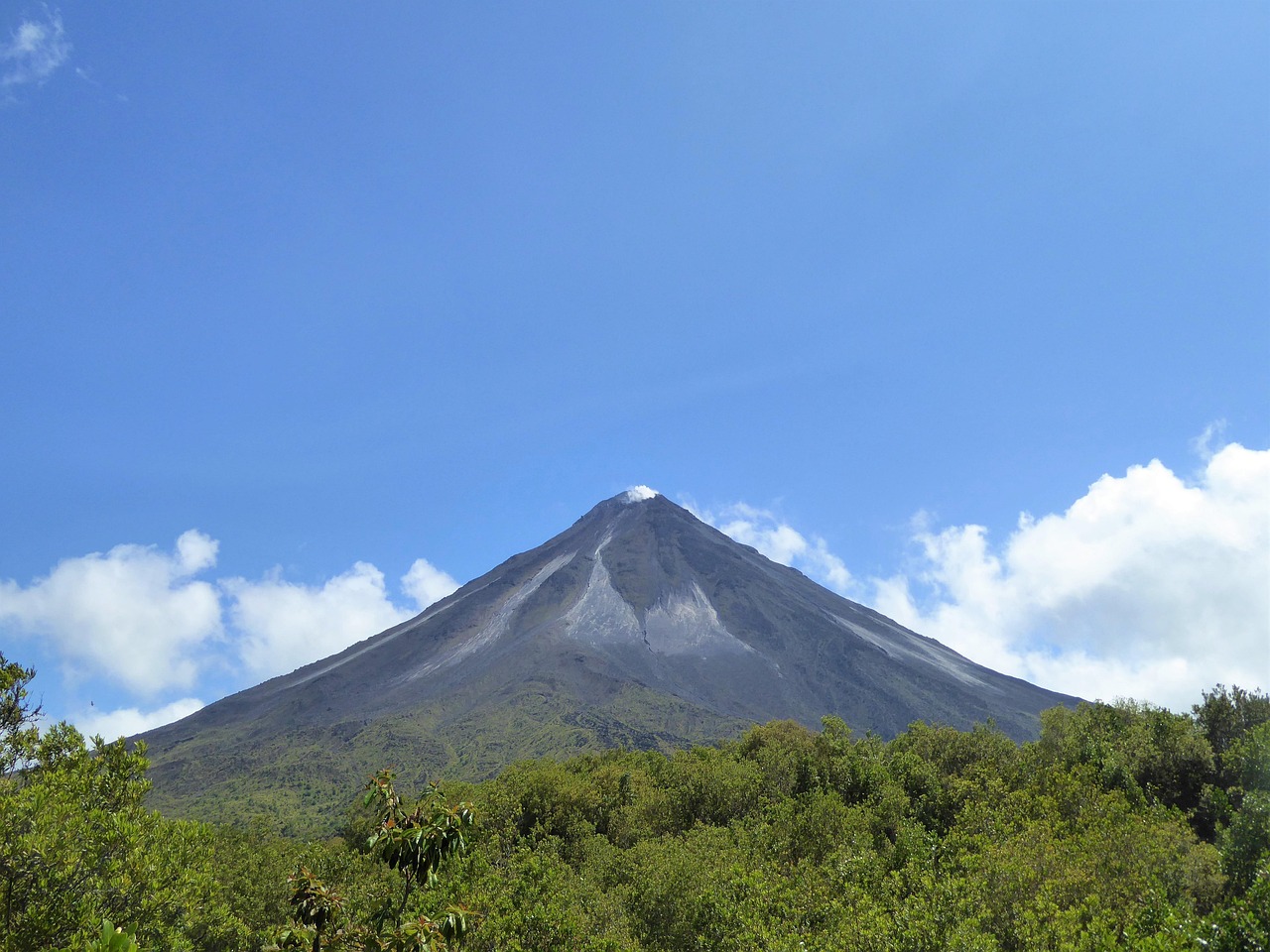
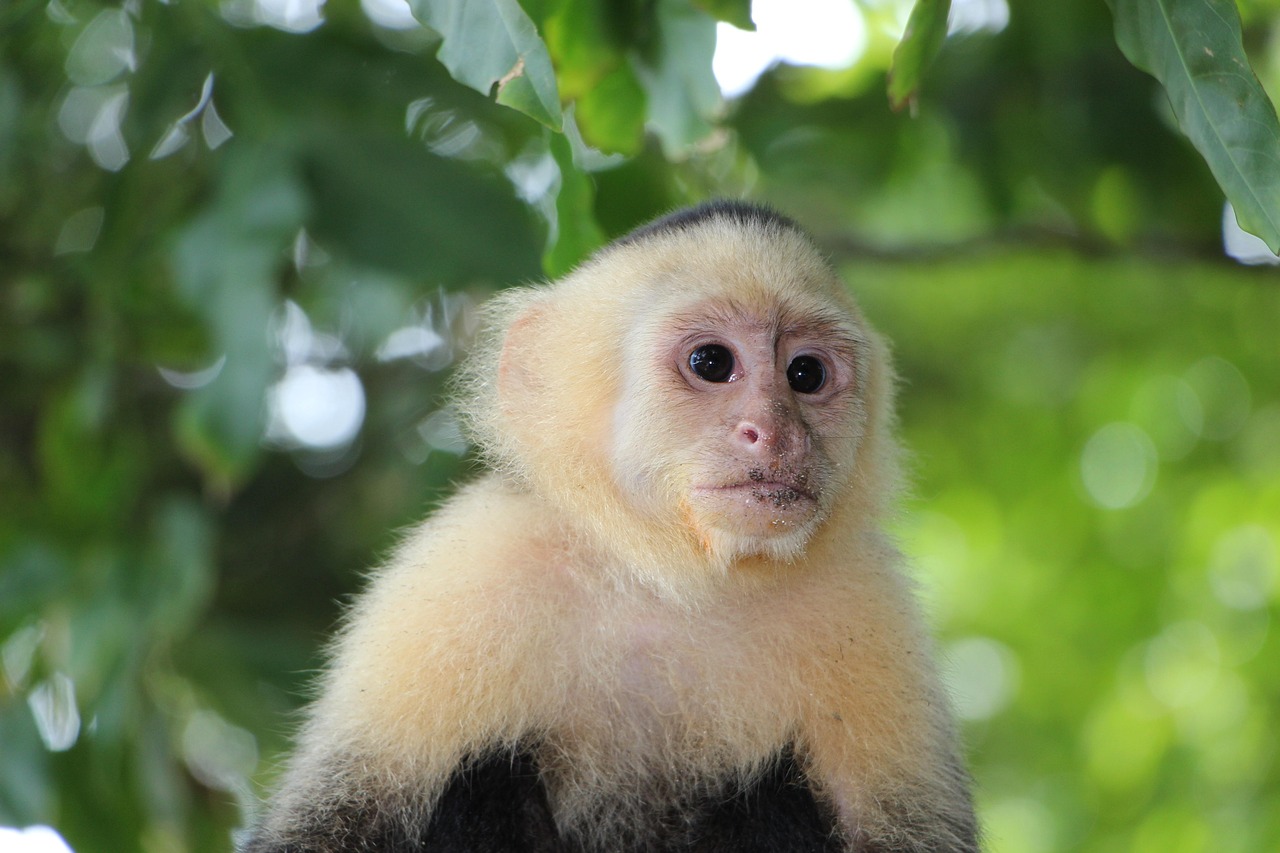
The route from San José to Arenal Volcano offers a journey through breathtaking landscapes and rich biodiversity along the way. A recommended stop is the town of Sarchí, famous for its traditional handicrafts, especially its brightly painted wooden ox carts known as “carretas.” Here, visitors can explore local artisan workshops and purchase unique souvenirs. The journey then continues through the scenic countryside of Costa Rica, with panoramic views of mountains, rainforests, and picturesque rural landscapes. Along the way, travelers can stop to enjoy traditional regional cuisine in small local restaurants. A near-geometric cone rising more than 1,600 metres above the northern lowlands, the Volcán Arenal traces the perfect silhouette many people picture when they think of Costa Rica, mirrored in the lake that shares its name. For decades it was one of the country’s most active volcanoes, with glowing lava visible at night; today it has entered a resting phase, yet it remains the heart of one of the most beloved stops on any Costa Rican itinerary. All around stretches the Parque Nacional Volcán Arenal, where trails cross old lava flows now reclaimed by forest and open onto viewpoints framing the cone. The region’s true soul, though, lies in its hot springs: water heated by the volcanic subsoil feeds dozens of natural pools and thermal resorts — from Tabacón to simpler baths — where you can unwind at dusk with the volcano as a backdrop. The days fill easily: hanging bridges through the rainforest canopy, rafting down the Río Balsa or the Sarapiquí, ziplines above the treetops, horseback rides and a walk to the La Fortuna waterfall, which plunges over seventy metres into an emerald pool. Wildlife is generous: sloths, toucans, capuchin monkeys and hundreds of bird species inhabit the woods. The nearby town of La Fortuna serves as a base, with tico restaurants, family sodas and outfitters for every activity. Arenal is the perfect distillation of the Costa Rican experience: powerful nature, warm water rising from the earth and adventure within easy reach.
Auto
Giorno 4 — Vulcano Arenal → Monteverde
Monteverde is a byword for cloud forest: a plateau suspended along the Cordillera de Tilarán, where clouds driven by the trade winds perpetually wrap the treetops, creating a one-of-a-kind ecosystem. The famous Reserva Biológica Bosque Nuboso Monteverde protects a damp primary forest thick with ferns, orchids, mosses and epiphytes, threaded by quiet trails where — with a little luck — you may glimpse the resplendent quetzal, emblem of Central America. Alongside it, the Reserva Santa Elena offers equally striking, less crowded scenery. This is also the cradle of the canopy tour: the hanging bridges and ziplines that now span the region were born here, a thrilling way to view the forest from above. The small town of Santa Elena serves as a base, with cafés, craft shops and night tours in search of frogs, snakes and insects. Visits to cheese dairies — a legacy of the Quaker settlers who founded the community — and to coffee plantations round out the stay. Amid red-eyed tree frogs, hummingbirds and crisp highland air, Monteverde offers an immersion in the country’s most magical and fragile nature.
Auto
Giorno 6 — Monteverde → Manuel Antonio
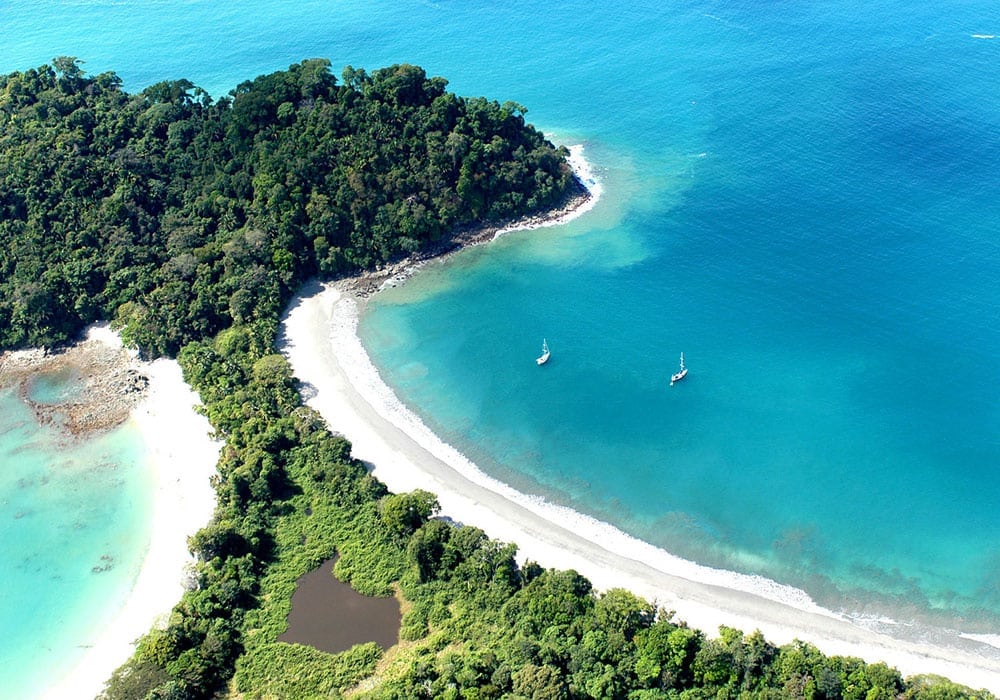
The route from Monteverde to Manuel Antonio Park offers a journey through breathtaking landscapes, rainforests and beautiful beaches along the Pacific coast. One of the recommended coastlines along the route is the Gulf of Nicoya. To reach Manuel Antonio from Monteverde, you can take a ferry from Puntarenas to cross the Gulf of Nicoya. This stretch of coastline offers spectacular ocean views and the chance to spot local marine wildlife. Once you arrive on the coast of the province of Puntarenas, you can enjoy remote and uncrowded beaches along the road to Manuel Antonio. Playa Jacó is one of the most famous beaches along the Gulf of Nicoya coastline and is a recommended stop to relax and enjoy the sun and sea. Manuel Antonio is perhaps the most famous image of Costa Rica’s Pacific coast: a stretch of shoreline where the rainforest tumbles down to the sand and crescent beaches open between green-clad headlands. The star is the Parque Nacional Manuel Antonio, one of the country’s smallest yet richest in wildlife: shaded trails lead to coves such as Playa Manuel Antonio and Playa Espadilla Sur, where squirrel monkeys, sloths, iguanas and raccoons are spotted with surprising ease. From the Punta Catedral lookout the eye takes in islets and turquoise water. Beyond the park, the long Playa Espadilla offers beginner surf and spectacular sunsets, while the road climbing toward Quepos is dotted with view restaurants, lodges tucked into the vegetation and ocean-facing bars. Activities abound: kayak tours through the mangroves, boat trips to spot dolphins, canopy ziplines and snorkelling on calm days. The nearby town of Quepos still carries the soul of an old banana port and today lives on sport fishing and tourism. Manuel Antonio packs beach, forest and wildlife into a few kilometres: an essential classic of any trip to Costa Rica.
Auto
Giorno 8 — Manuel Antonio → San Jose de Costa Rica
The journey from Manuel Antonio Park to San José offers a trip through breathtaking landscapes. A recommended stop along the way is the town of Jacó, on the Pacific coast. Jacó is renowned for its beaches and ideal surfing waves, as well as offering a lively beach atmosphere with a variety of restaurants, bars, and shops. The route then continues through the picturesque Costa Rican countryside, with panoramic views of the mountains and lush vegetation.