The Corridors: Nature from Washington to New Orleans
Itinerari consigliati19 Giorni
Washington DC, Stati Uniti
Washington DC›Outer Banks›Wilmington (NC)›Myrtle Beach›Charleston (SC)›Charlotte›Asheville›Cherokee (NC)›Great Smoky Mountains National Park›Townsend›Nashville›Huntsville (AL)›Birmingham›Montgomery›Selma (AL)›Orange Beach›Mobile›Biloxi›Mandeville›Covington›New Orleans
Itinerary
Giorno 1 — Washington DC
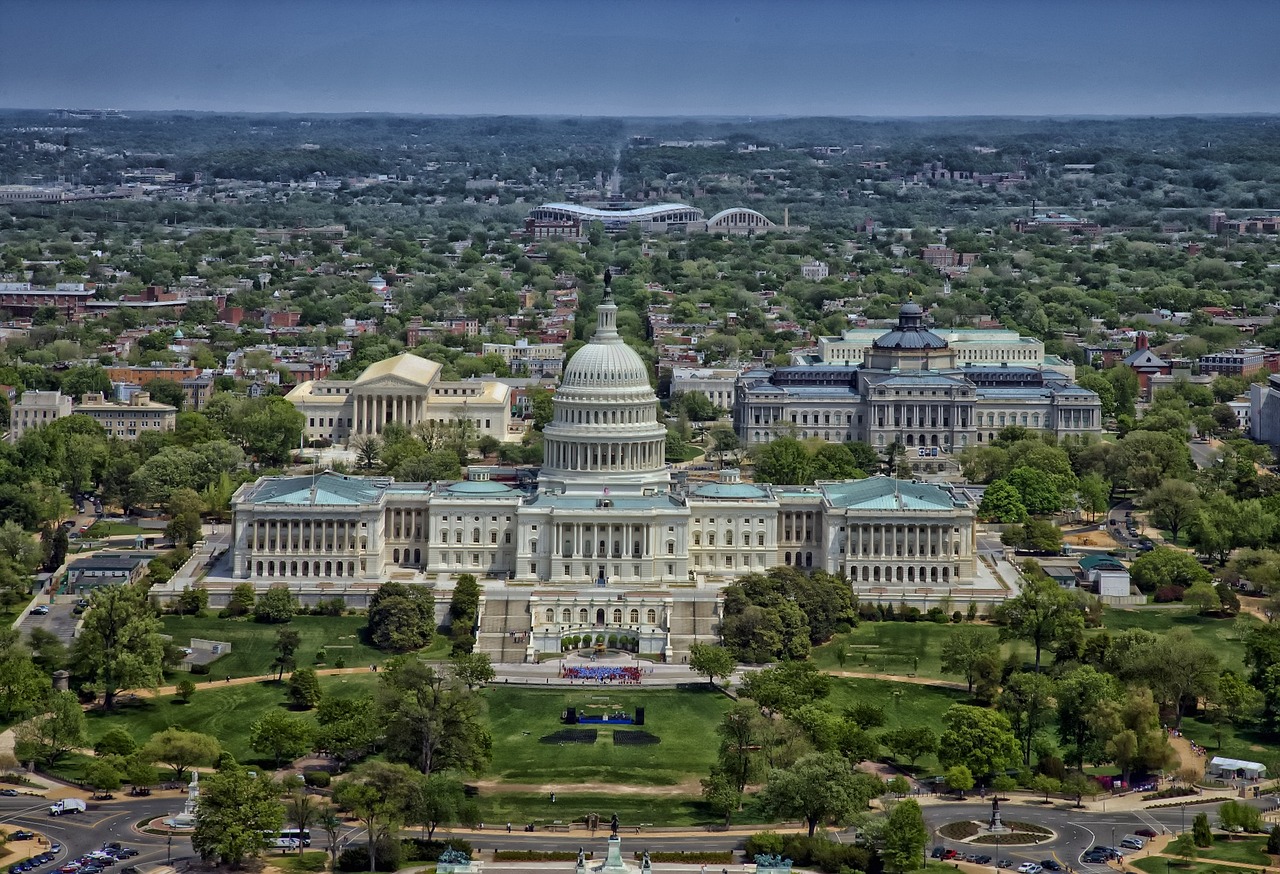
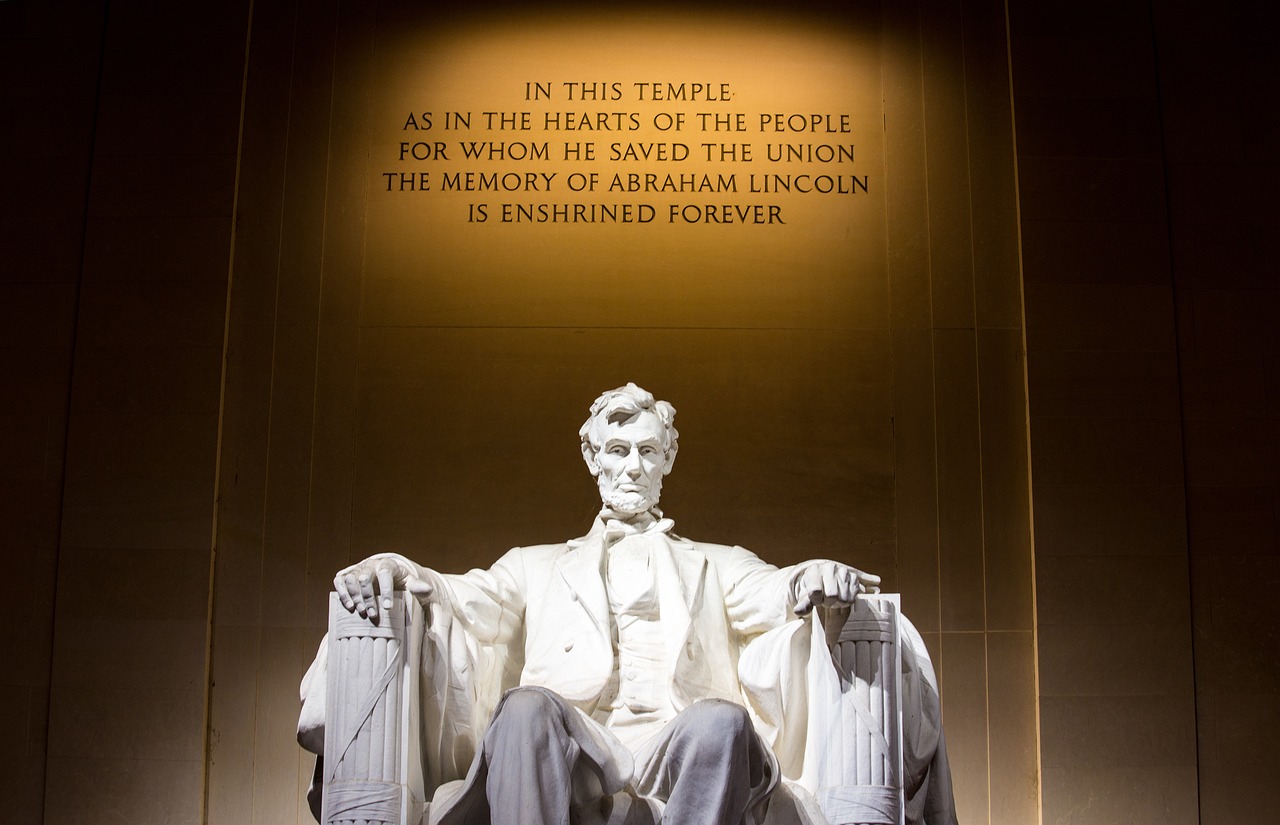
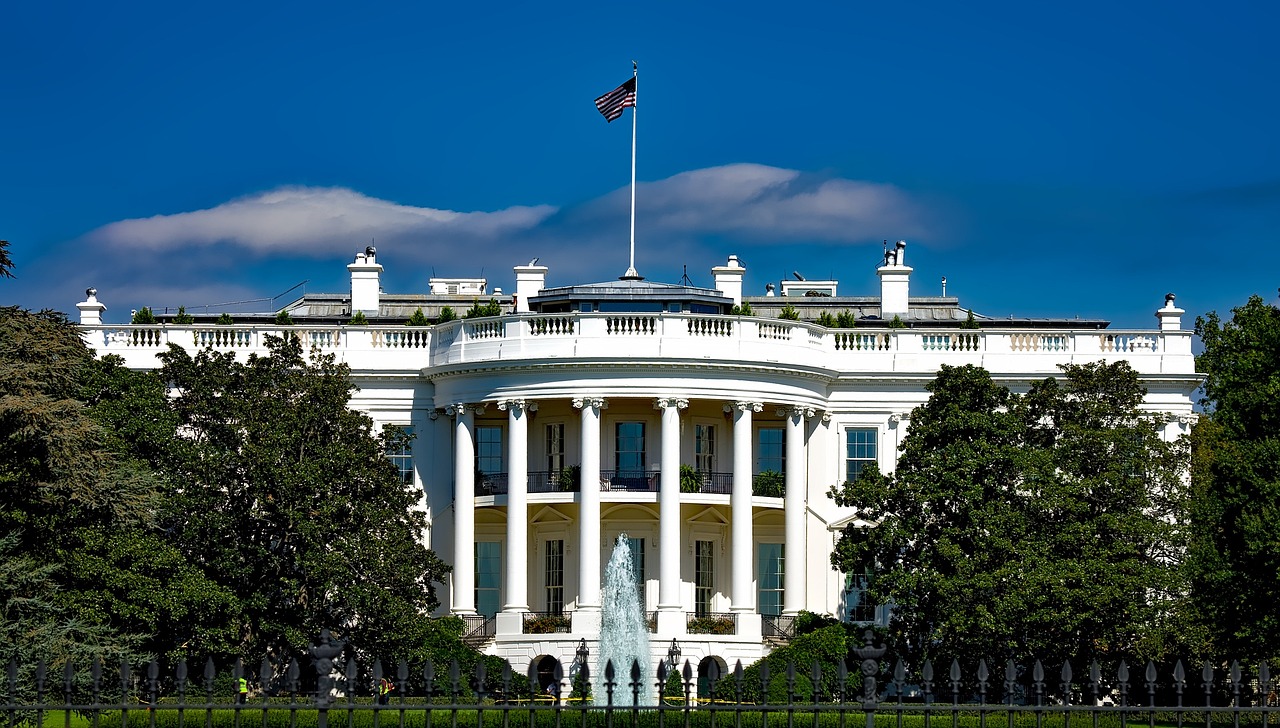
Washington DC rises on the banks of the Potomac River, capital of the United States and political heart of the nation, a city of monumental vistas and broad green spaces best explored on foot. Its centrepiece is the National Mall, the long esplanade lining up the symbols of American democracy: the white-domed Capitol, the soaring Washington Monument obelisk, the Lincoln Memorial overlooking the Reflecting Pool, and the memorials to Jefferson, Roosevelt and the war veterans. Along the Mall stand the world-class, free-admission museums of the Smithsonian Institution, from the National Air and Space Museum to the National Gallery of Art, the Museum of Natural History and the National Museum of African American History and Culture. Nearby, the White House can be admired across the gardens of Pennsylvania Avenue. Yet Washington is far more than its institutions: its neighbourhoods tell another story. Georgetown, the oldest, lines federal townhouses, boutiques and cafés along the C&O Canal and the Potomac; Dupont Circle is the bohemian heart of galleries and bookshops; U Street keeps alive the legacy of jazz and historic venues; Adams Morgan buzzes with ethnic kitchens and nightlife. The capital's tables mirror this diversity, from markets such as Eastern Market to an international dining scene and the local classic of the half-smoke sausage. In spring the city turns pink with the cherry blossom around the Tidal Basin, a gift from Japan and the occasion for the famous Cherry Blossom Festival. Nearby, a trip to Alexandria in Virginia or to Mount Vernon, George Washington's residence, rounds off the journey. Between neoclassical marble, great museums and neighbourhoods of distinct character, Washington DC blends the solemnity of power with the vibrancy of a capital that invites discovery step by step.
Auto
Giorno 5 — Outer Banks → Wilmington (NC)
Wilmington faces the Cape Fear River in North Carolina, a charming port city with a historic centre rich in antebellum mansions and a picturesque riverfront. Nicknamed "Hollywood East" for the many films shot here, it keeps the historic battleship USS North Carolina moored in the river. The nearby beaches of Wrightsville and Carolina Beach round out the offering. Wilmington is an elegant crossroads of history, cinema and Southern coast.
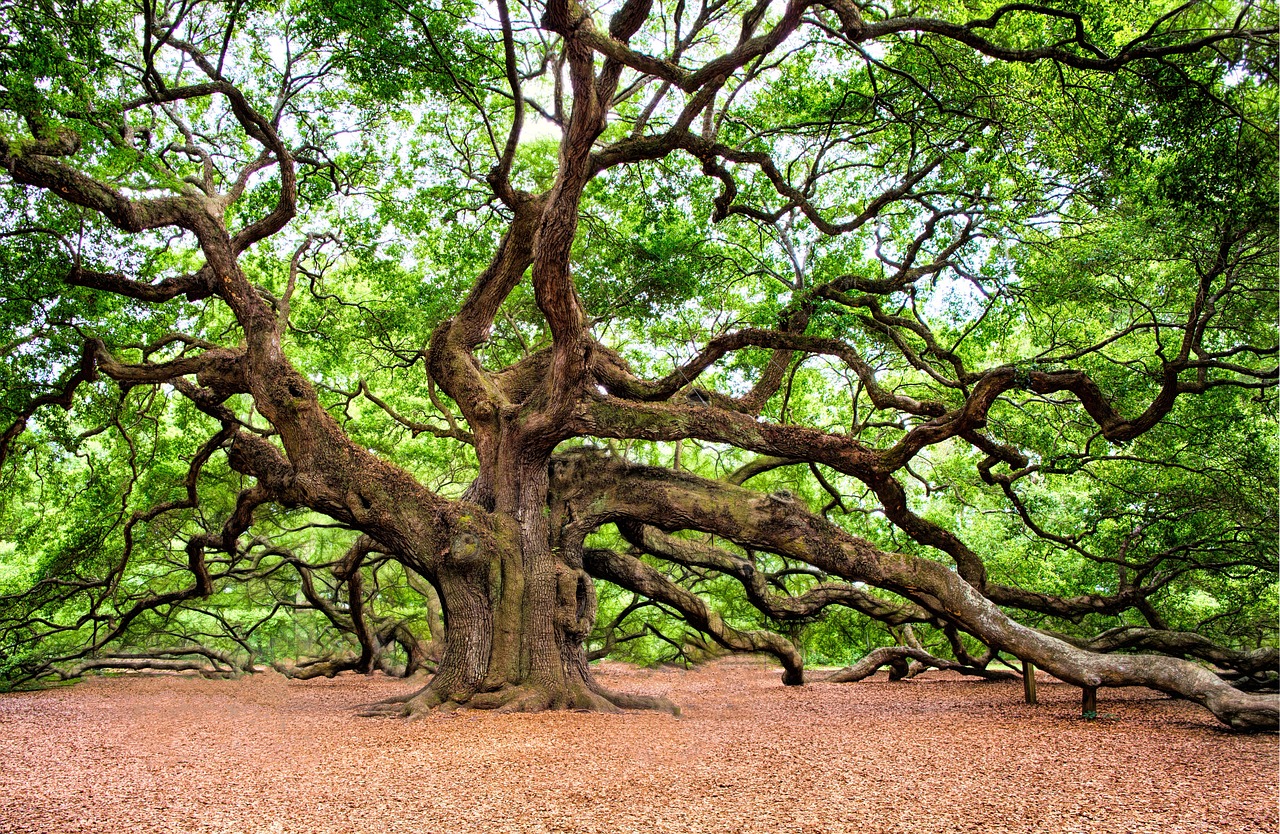
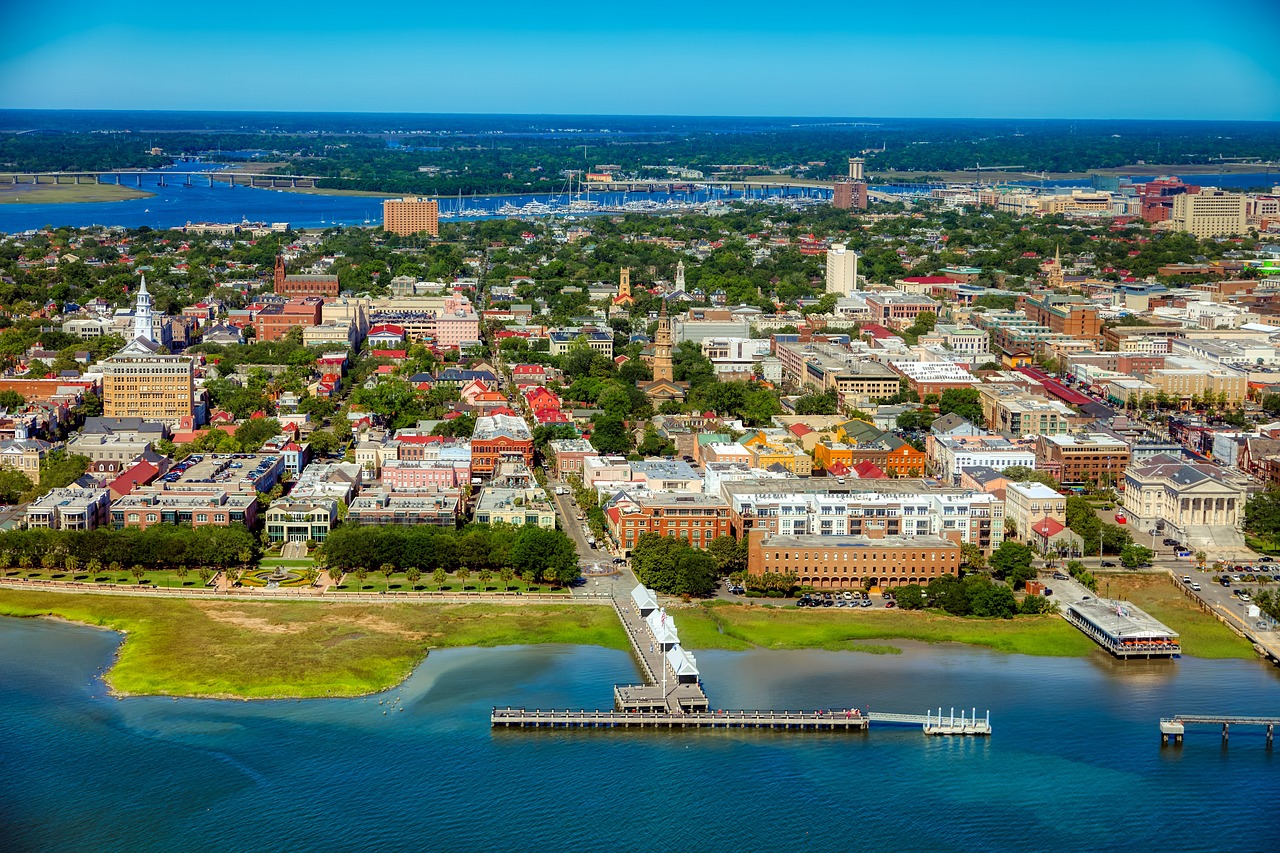
Myrtle Beach is the most famous seaside resort in South Carolina, the heart of the 'Grand Strand', over 90 kilometres of Atlantic beaches dotted with resorts, amusement parks and golf courses. Its lively oceanfront Boardwalk, the SkyWheel observation wheel and its shows make it a vibrant, family-friendly destination. A golf capital of the Southeast, it boasts dozens of courses among dunes and lakes. Between golden beaches, entertainment, mini-golf and a timeless holiday mood, Myrtle Beach embodies the classic American seaside vacation on the Atlantic coast. Leave Myrtle Beach and travel 30 minutes south along the coast, towards the southern end of the Grand Strand. You will arrive at the cozy and peaceful Pawley's Island. Famous for its cypress wood cottages and rich in expansive marshlands, rivers, and oceanfront parks, it is a perfect destination for outdoor enthusiasts. Continue south along the pristine coastline and cross the Francis Marion National Forest until you reach Charleston. A jewel of the Deep South, Charleston enchants with its pastel-coloured houses, shady porches and cobbled streets where time seems to stand still. Along the famous Rainbow Row stand colourful façades overlooking the harbour, while the French Quarter and the area around Battery Park reveal historic mansions, blooming gardens and churches with soaring steeples. The city preserves the memory of its colonial past and the surrounding plantations, now open to visitors among centuries-old oaks draped in Spanish moss. Renowned for its warm hospitality and refined Lowcountry cuisine — from shrimp and grits to she-crab soup — Charleston also tempts with the nearby beaches of Sullivan's Island and Folly Beach. Romantic and elegant, it is the sweetest essence of the American South.
Auto
Giorno 8 — Charleston (SC) → Charlotte
Charlotte, the most populous city in North Carolina, blends the energy of a dynamic financial centre with the warmth typical of the American South. Its modern skyline, dominated by the skyscrapers of the Uptown district, reflects the city's role as one of the country's leading banking hubs, yet just a short distance away you'll find leafy neighbourhoods, tree-lined avenues and a welcoming atmosphere. Among its attractions are museums such as the Mint Museum and the Bechtler, the NASCAR Hall of Fame celebrating America's passion for motor racing, and lively districts like NoDa and South End, full of galleries, craft breweries and restaurants. The surroundings, with lakes and gentle hills, invite hiking and outdoor activities. Between culture, sport and Southern hospitality, Charlotte is a surprising and ever-growing urban destination.
Auto
Giorno 9 — Charlotte → Asheville → Cherokee (NC)
At the foot of the Blue Ridge Mountains, in western North Carolina, Asheville blends wild nature with a lively arts and food scene. Its most famous landmark is the Biltmore Estate, a sumptuous French Renaissance-style mansion built by the Vanderbilt family and surrounded by gardens designed by Frederick Law Olmsted. The Art Deco downtown, among the best preserved in the South, teems with galleries, craft shops and microbreweries that have made the city a beer capital. The nearby River Arts District houses artists' studios, while the scenic Blue Ridge Parkway leads to Appalachian peaks, waterfalls and forests. Asheville is the perfect destination for those seeking art, the outdoors and the relaxed atmosphere of the Southern mountains. Cherokee gathers on the eastern edge of Great Smoky Mountains National Park, in the mountains of North Carolina, the heart of the Eastern Cherokee nation. The Museum of the Cherokee Indian and the reconstructed Oconaluftee village tell the history and traditions of the Native people. All around open trails, waterfalls and forests among America's most visited peaks. Cherokee is the ideal destination for those seeking Native culture, mountain nature and direct access to the Great Smoky Mountains.
Auto
Giorno 10 — Cherokee (NC) → Great Smoky Mountains National Park → Townsend
Townsend gathers at the foot of the Great Smoky Mountains in Tennessee, known as "the quiet side of the Smokies." Away from crowded tourism, it offers direct access to the famous national park, with trails, waterfalls and clear rivers for summer dips. The village keeps an authentic rural feel among craft shops and green meadows. A serene base for immersing in the gentler nature of the Appalachians.
Auto
Giorno 11 — Townsend → Nashville
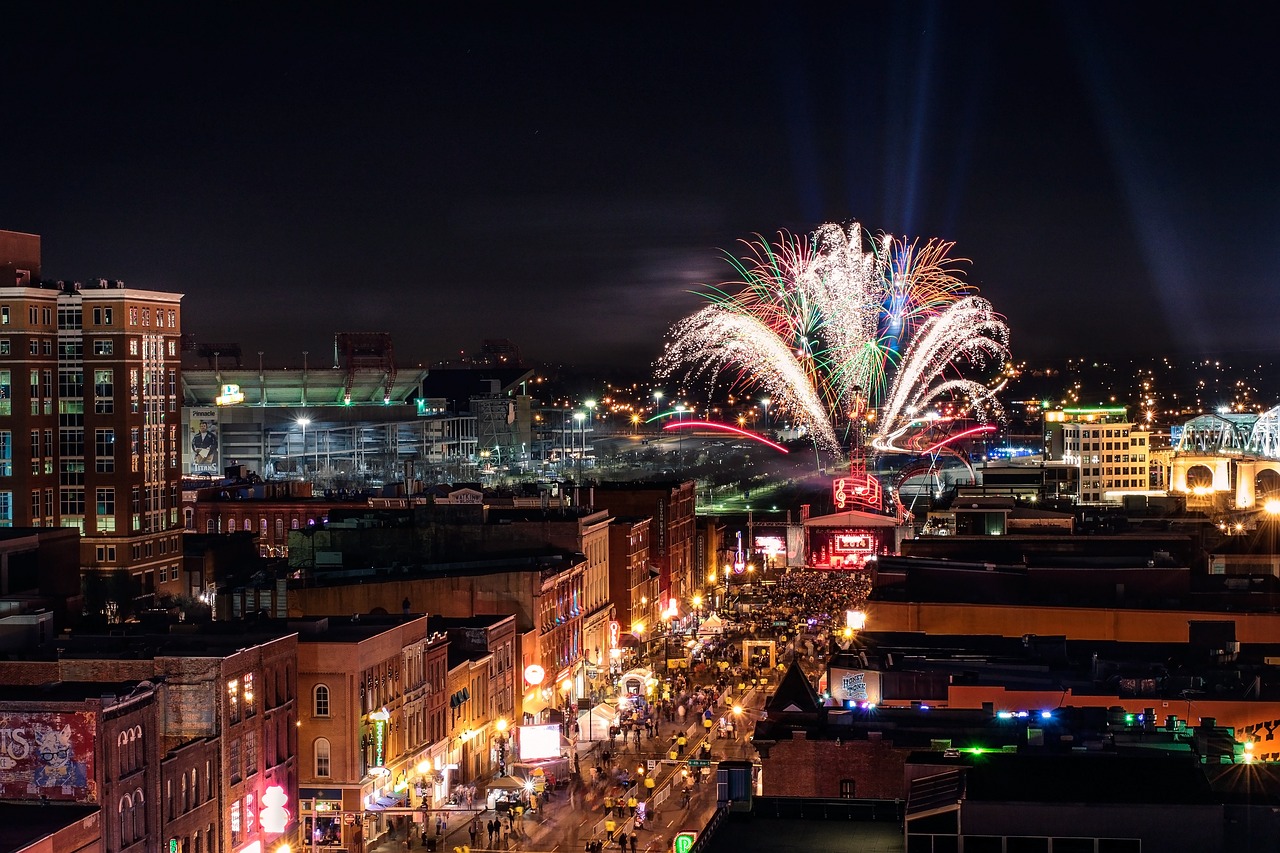
Nashville rises on the banks of the Cumberland River in the state of Tennessee, and has earned worldwide its nickname of "Music City": it is the undisputed capital of country music, but also a lively crossroads where history, Southern cuisine and an ever-buzzing cultural scene come together. Its beating heart is Lower Broadway, where the neon signs of the honky-tonks light up a street that never sleeps: guitar chords and live voices pour from the venues at every hour, in a succession of free stages that launched the careers of many artists. A short walk away stand the temples of musical tradition, from the Country Music Hall of Fame and Museum to the famed Ryman Auditorium, dubbed "the mother church of country music", and the Grand Ole Opry, the longest-running live radio broadcast in America. Heading toward the civic centre you reach the Tennessee State Capitol, while amid the greenery of Centennial Park stands a striking surprise: the Parthenon, a full-scale replica of the Athenian temple that earned the city the label "Athens of the South". The neighbourhoods tell other Nashvilles: The Gulch, a former railway district now dotted with murals and trendy restaurants; Germantown, with its brick houses and most refined tables; East Nashville, bohemian and creative, a realm of coffee shops and independent boutiques. Food is a chapter of its own: hot chicken, spicy fiery fried chicken, is the city's emblem, served alongside barbecue, biscuits and the fine bourbon of Tennessee's distilleries. Between impromptu concerts, historic distilleries and the contagious energy of its streets, Nashville is lived to the rhythm of music, from dawn until deep into the night.
Auto
Giorno 13 — Nashville → Huntsville (AL) → Birmingham
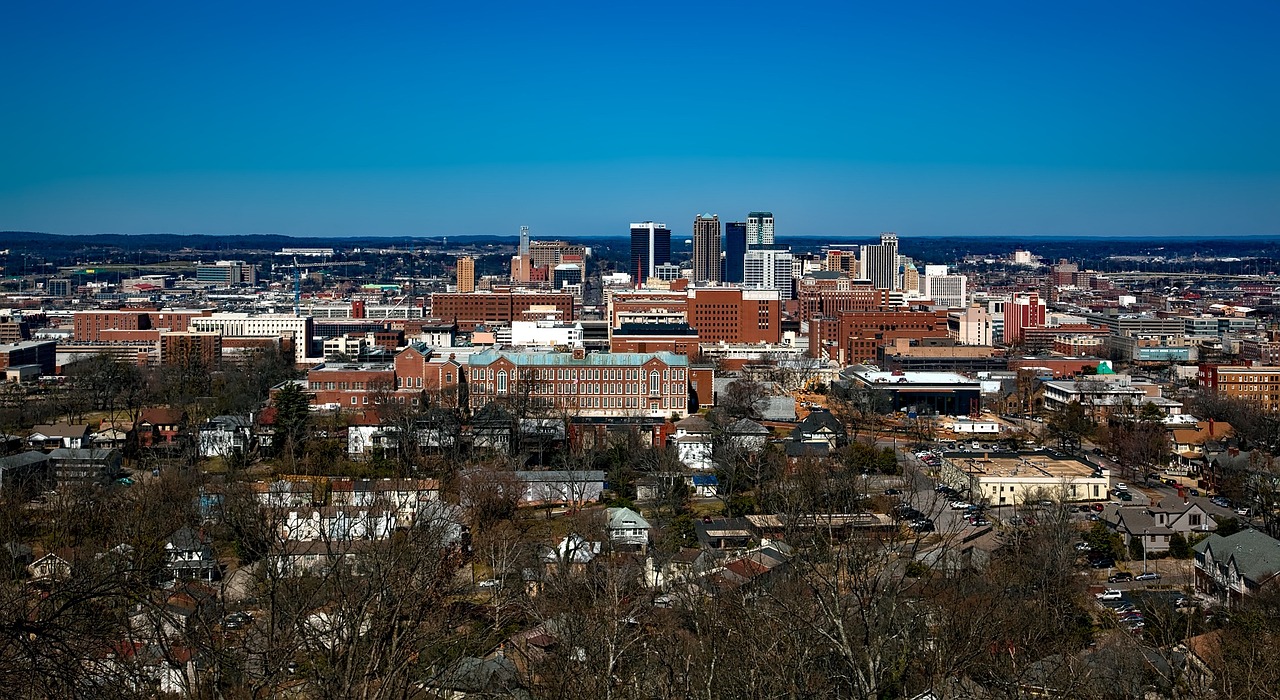
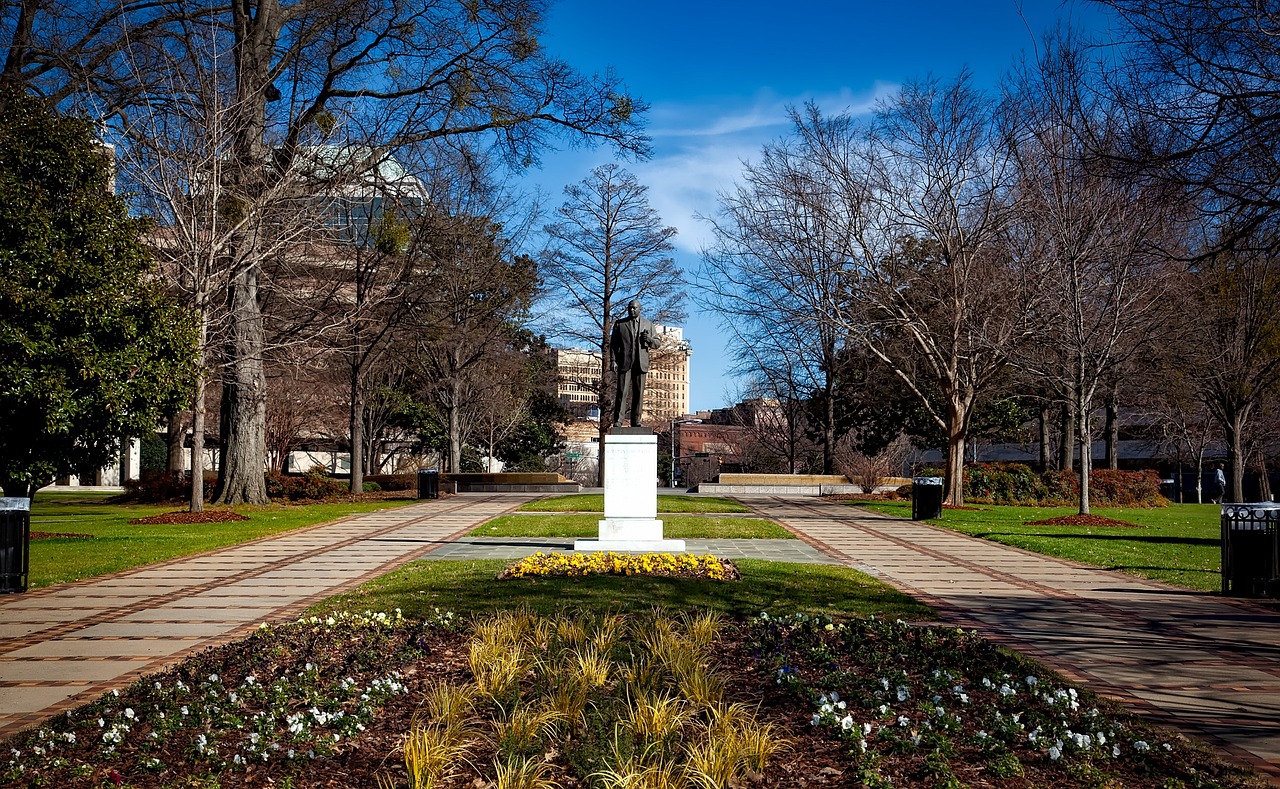
Huntsville rises in the heart of northern Alabama, nicknamed "Rocket City" for its pioneering role in American space exploration. Home to the famous U.S. Space & Rocket Center, it blends a revitalised historic centre, museums and a thriving tech and food scene. All around lie mountains, trails and the landscapes of Alabama. A surprising destination where space adventure and the charm of the Deep South meet. Birmingham is the largest city in Alabama, founded in the 19th century as a steel hub and today known above all as a nerve centre of the civil rights movement. The Birmingham Civil Rights Institute and the historic Sixteenth Street Baptist Church recall the struggles of the 1960s. The statue of Vulcan, the largest cast-iron statue in the world, looks over the city from atop Red Mountain. Between industrial heritage, historical memory and a lively Southern food scene, Birmingham tells a crucial chapter of American history.
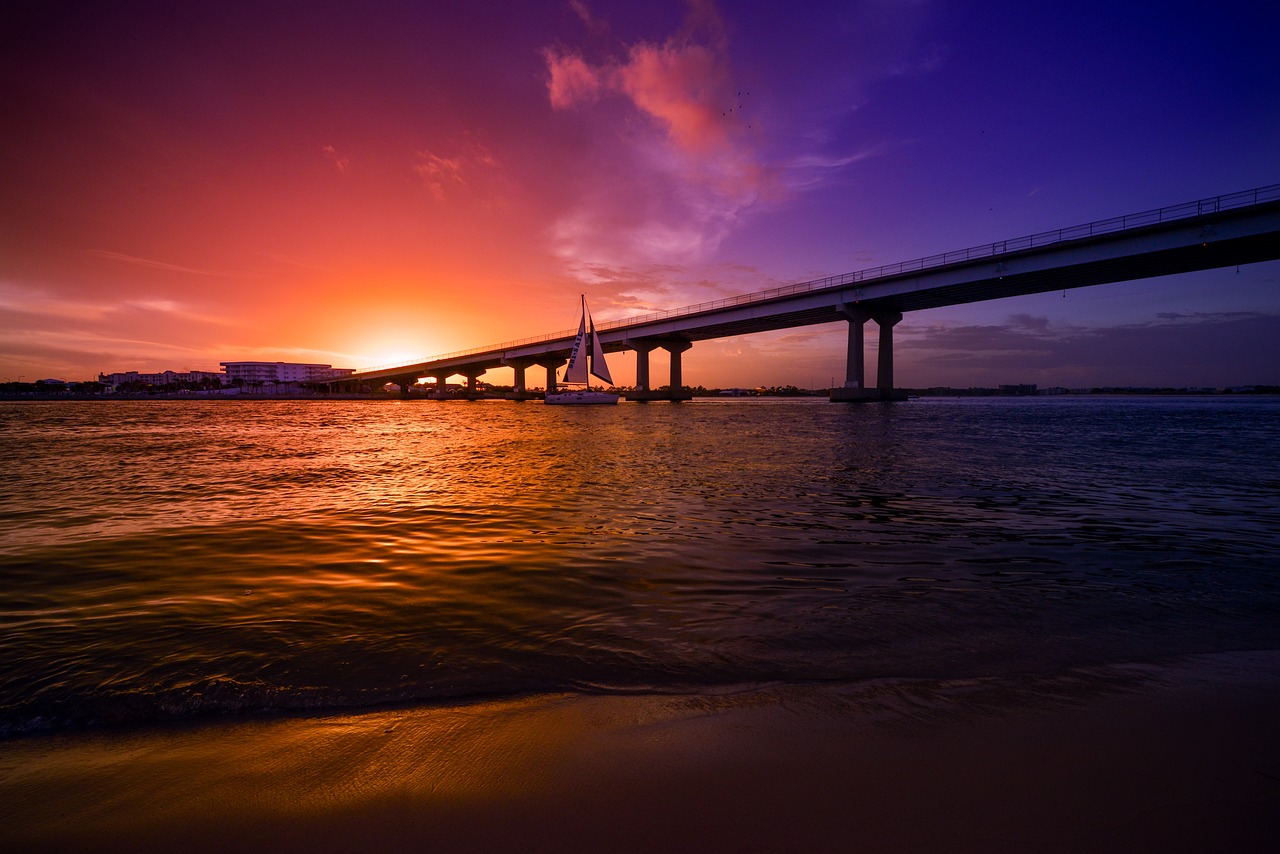
Montgomery is the capital of Alabama, a city crucial in American history both as the first capital of the Confederacy and as a cradle of the civil rights movement. Here Rosa Parks refused to give up her bus seat in 1955 and Martin Luther King led the famous boycott. The Dexter Avenue Baptist Church, the Rosa Parks Museum and the moving National Memorial for Peace and Justice recount its memory. Between historic heritage, monuments and a deep civil legacy, Montgomery is a capital that holds fundamental chapters of the history of the United States. Orange Beach is a refined seaside resort in the far south of Alabama, along the Gulf of Mexico coast, famed for its fine white-sand beaches and emerald waters that make it the flagship of the 'Alabama Gulf Coast'. A paradise for deep-sea fishing, nicknamed the 'Red Snapper Capital', it offers lively marinas, water sports and dolphin-watching cruises. Seafront resorts and coastal state parks round out the experience. Between white sands, crystalline sea and a holiday atmosphere, Orange Beach is the seaside pearl of Alabama.
Auto
Giorno 15 — Orange Beach → Mobile → Biloxi
Mobile is the oldest city in Alabama, founded by the French in 1702 and set on its namesake bay opening onto the Gulf of Mexico. It claims to have originated the oldest Mardi Gras celebration in the United States, still lived today with great passion. Its historic centre preserves elegant antebellum mansions shaded by oaks and azaleas, while the battleship USS Alabama is moored as a museum. Between French heritage, the atmosphere of the Deep South and festive traditions, Mobile is a gem on Alabama's Gulf coast. Biloxi stretches along the Gulf of Mexico coast in southern Mississippi, a historic shrimp- and oyster-fishing town turned into a lively destination of casinos and beaches. Its large seafront resorts offer gaming and entertainment, while the historic lighthouse, the city's symbol, and the Beauvoir estate, last residence of Jefferson Davis, recount its past. Its sandy beaches and the legacy of the Creole and Vietnamese communities enrich the experience. Between sea, gaming and Gulf traditions, Biloxi is the seaside capital of Mississippi.
Auto
Giorno 16 — Biloxi → Mandeville → Covington → New Orleans
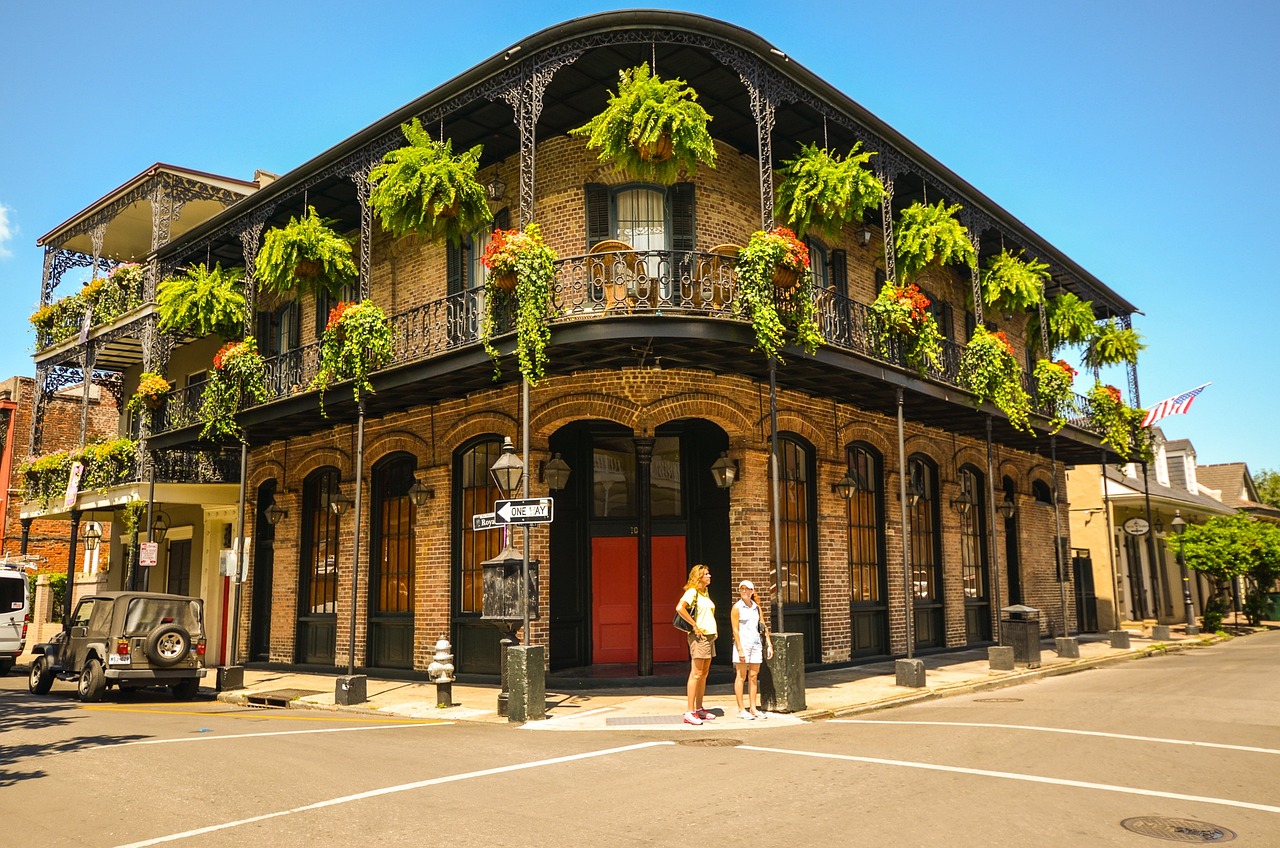
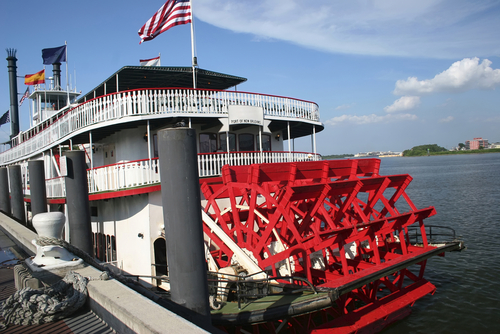
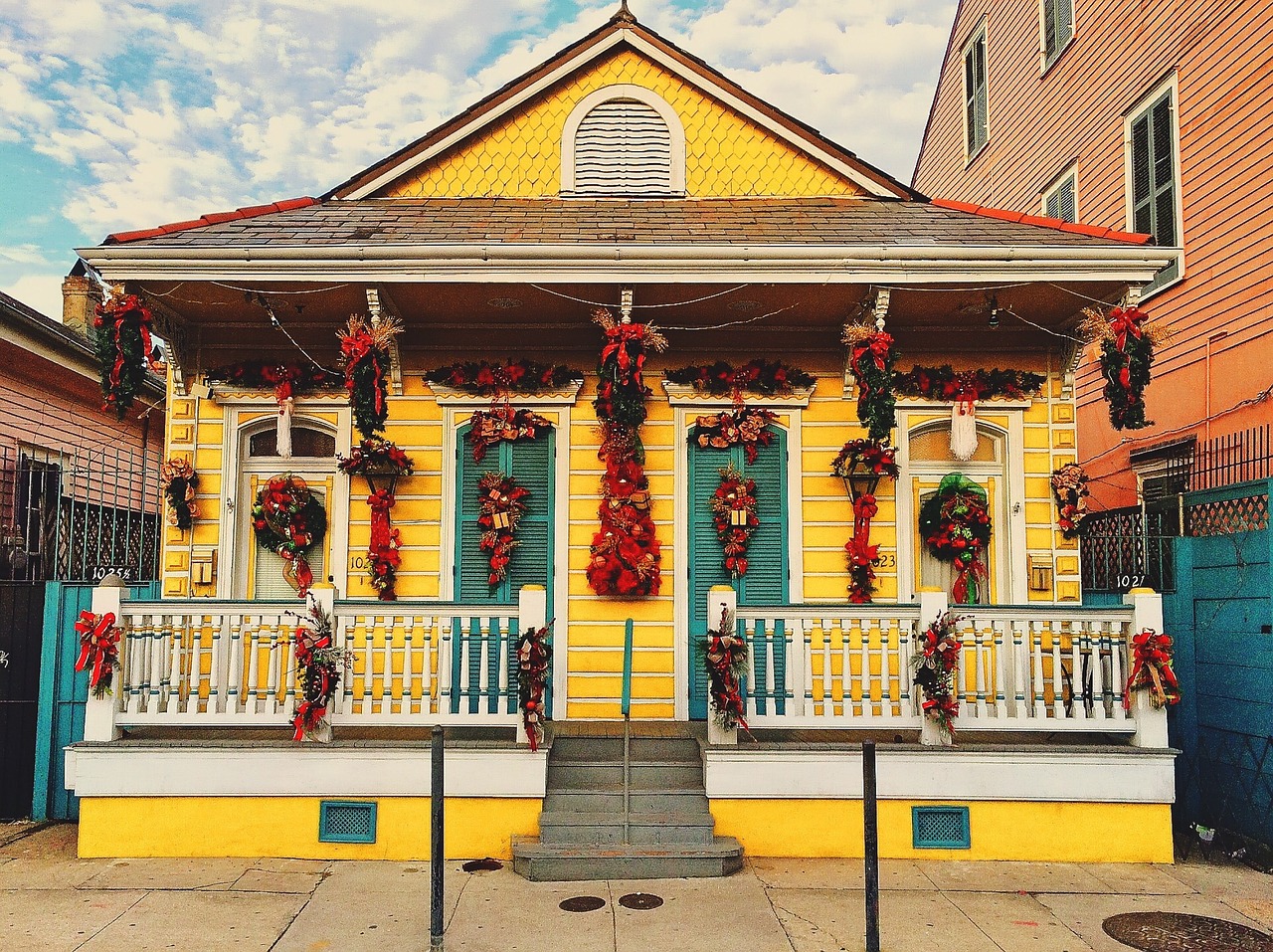
New Orleans sprawls along the bends of the Mississippi River, in the humid heart of Louisiana, a city unlike any other in the United States, a melting pot of French, Spanish, African and Creole cultures that gave birth to jazz and an unmistakable identity. Its most famous core is the French Quarter, the oldest district, where wrought-iron balconies overlook cobbled streets and Jackson Square opens before St. Louis Cathedral. From Bourbon Street, with its nightspots and music spilling from every doorway, you reach the more refined Royal Street, lined with art galleries and antique shops. A few steps away, the French Market blends stalls, flavours and tradition, while the Café du Monde serves its sugar-dusted beignets alongside chicory coffee. Beyond the centre, the Garden District reveals sumptuous antebellum mansions set among centuries-old oaks, easily explored aboard the historic St. Charles Avenue streetcar. The city lives for music: the clubs of Frenchmen Street keep live jazz alive, the legacy of Louis Armstrong, and every February Mardi Gras turns the streets into a riot of floats, masks and parades. The local cuisine is an experience in itself: gumbo, jambalaya, po' boys and crawfish tell the story of Creole and Cajun fusion in every dish. Along the banks of the Mississippi, paddlewheel steamboats evoke the golden age of river travel, while nearby the historic plantations and the mysterious swampy bayous, explored by boat among cypress trees and alligators, offer unforgettable day trips. With its syncopated rhythms, spiced aromas and a soul at once festive and melancholic, New Orleans enchants all who pass through.
_20260429145507.png)
_20260429145507.png)
_20260429145506.png)
_20260429145506.png)