Giorno 4 — Città del Capo → Kruger National Park & Greater Kruger
The Kruger National Park is South Africa’s largest and most iconic protected area, covering approximately 20,000 sq km (2 million hectares) across Mpumalanga and Limpopo, along the borders with Mozambique and Zimbabwe. Established in 1898 and managed by SANParks, it represents the heart of one of Africa’s most important natural ecosystems and the reference point for the wider Greater Kruger, a vast conservation area that also includes renowned private reserves such as Sabi Sand, Timbavati, Klaserie, Umbabat and Balule.
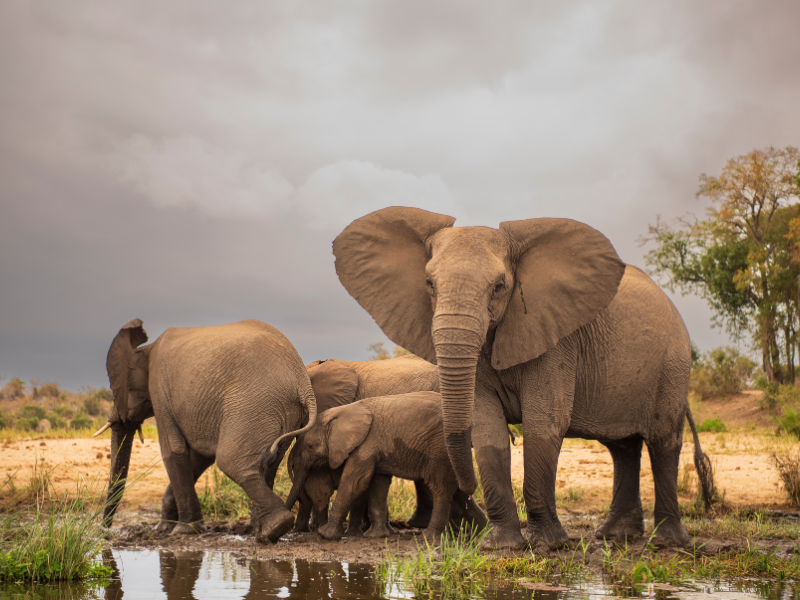
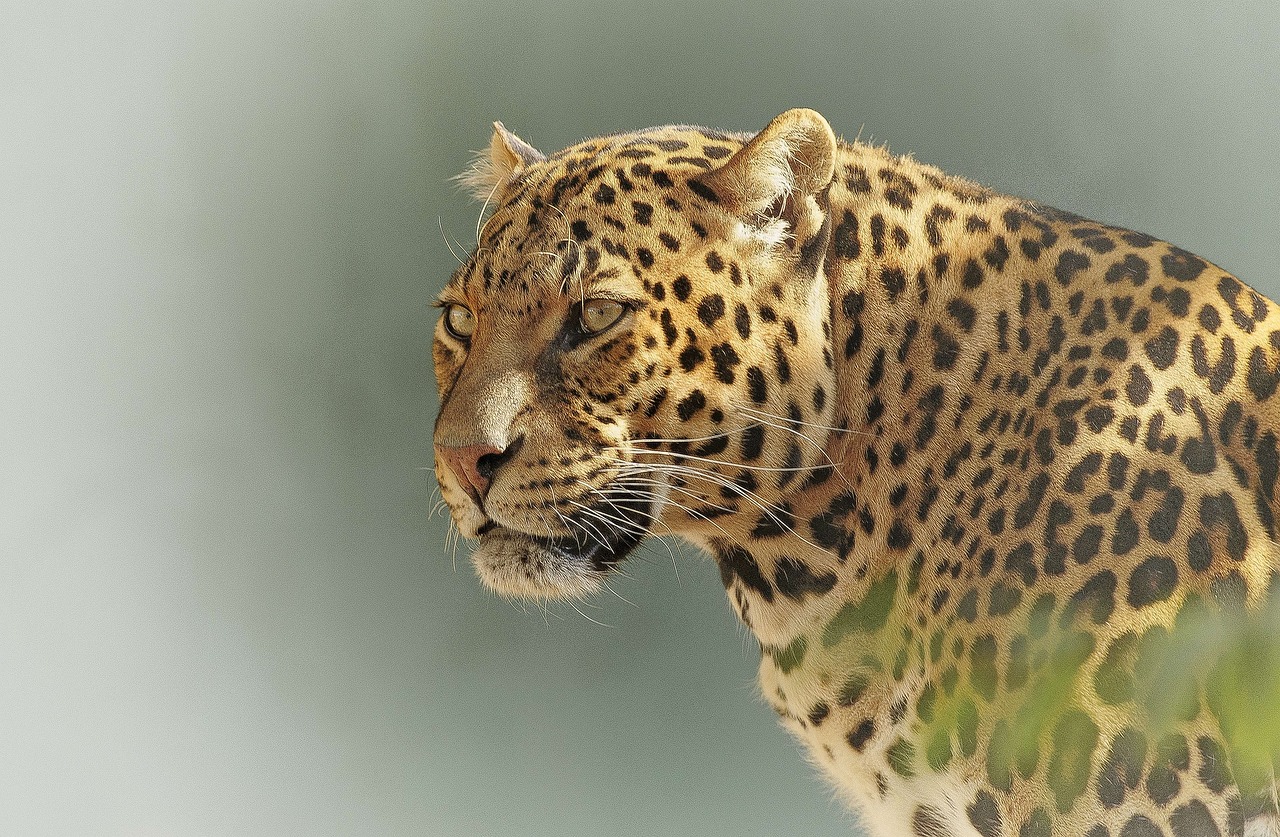
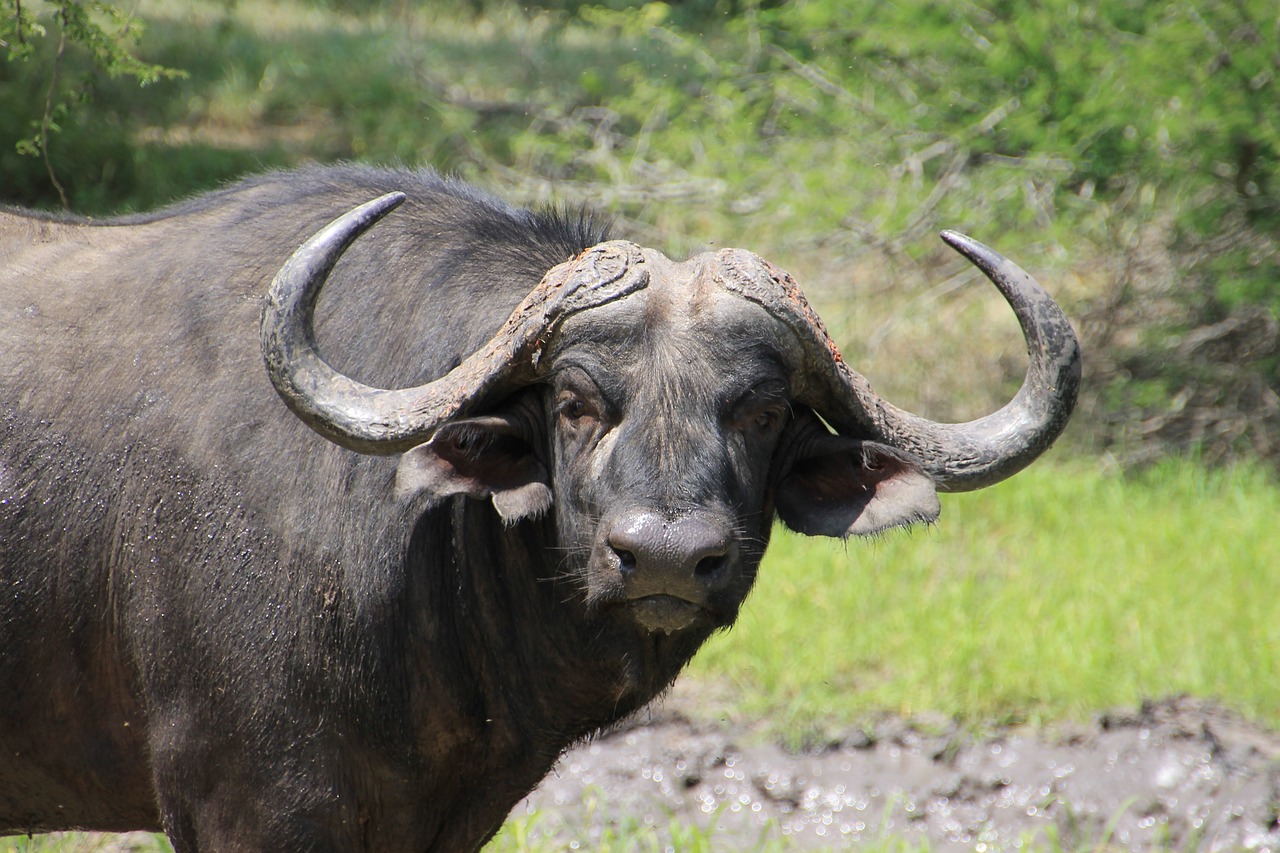
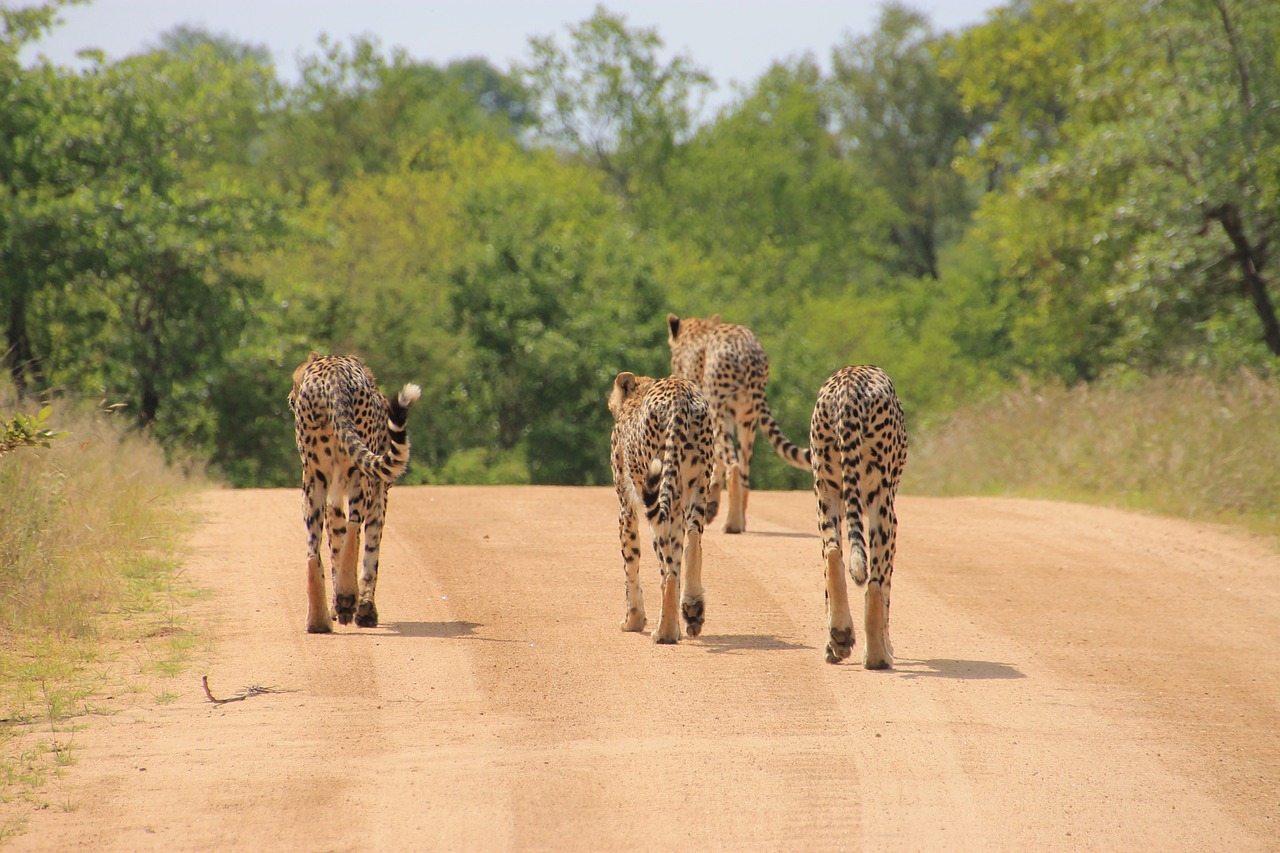
The Kruger landscape is defined by an extraordinary variety of habitats, from open savannahs and mopane woodlands to grasslands and riverine forests along permanent waterways. This diversity supports exceptional wildlife richness, with more than 140 mammal species and over 500 bird species. The park is renowned for sightings of the Big Five – lion, leopard, elephant, rhino and buffalo – while its true appeal lies in experiencing a complete African ecosystem where wildlife, landscapes and seasonal changes are naturally interconnected.
Conservation within the Kruger is based on habitat protection, scientific research and the preservation of natural ecological processes. The park also safeguards important archaeological and cultural sites reflecting the long relationship between people and this region.
The safari experience varies according to the area visited and the style of accommodation selected. The park is traditionally divided into three main regions: Southern Kruger, Central Kruger and Northern Kruger, each offering different landscapes and wildlife environments. The southern section, the most accessible area, includes gates such as Crocodile Bridge, Malelane, Numbi, Phabeni and Paul Kruger Gate; the central region is mainly accessed through Orpen Gate, while the northern section is reached through Phalaborwa, Punda Maria and Pafuri Gate. In the Kruger National Park, guests can explore the wilderness through self-drive routes, guided Game Drives and stays in SANParks camps; in the private reserves of the Greater Kruger, the experience becomes more exclusive, with luxury lodges, dedicated rangers and trackers, open safari vehicles and greater flexibility during wildlife encounters.
Access to the Kruger and the Greater Kruger reserves is mainly through Skukuza Airport (SZK), Kruger Mpumalanga International Airport (MQP) and Hoedspruit Eastgate Airport (HDS), followed by road transfers to selected lodges or private airstrips.
_20260505143923.png)
_20260505143924.png)
_20260505143924.png)
_20260505143924.png)
_20260505143924.png)
_20260505143925.png)
_20260505143925.png)
_20260130093727.png)