Giorno 3 — Phayao → Chiang Rai → Tempio Bianco (Wat Rong Khun) → Triangolo d'oro → Mae Salong Nai
Km 250
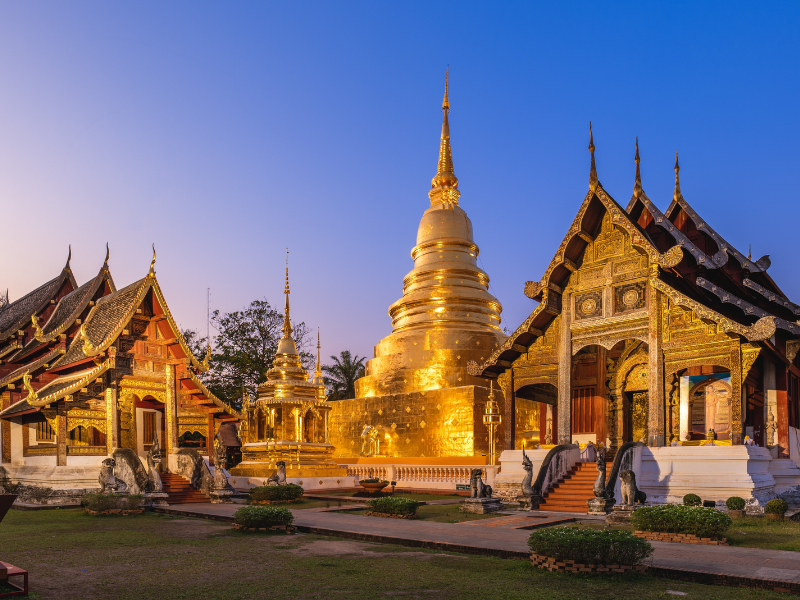
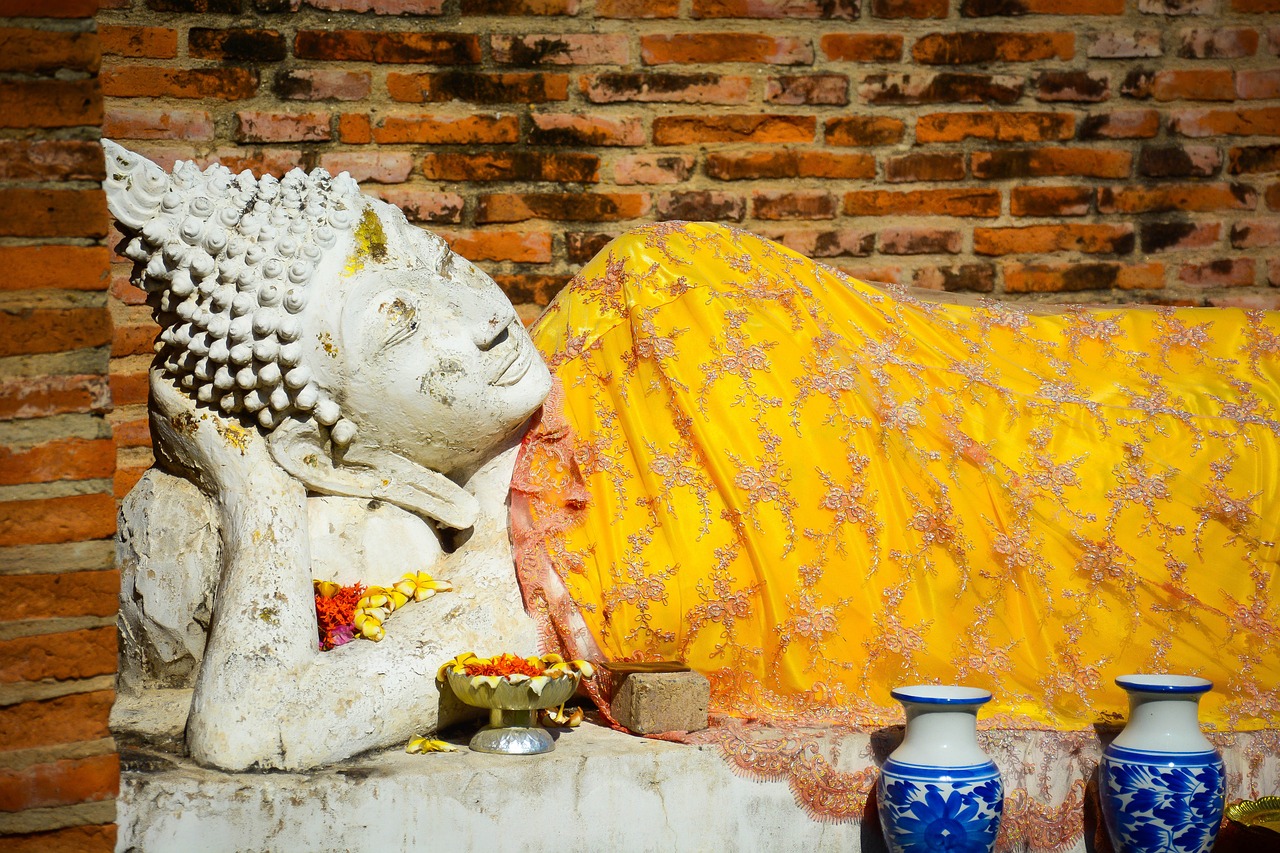
At approximately 07:15, transfer to the boarding pier, about 2 km away. At around 07:45, at the pier in the town centre, you can attend the traditional rite of the offering to the novice monks (Taak Bat). Participants have the opportunity to purchase locally the "Sangkatan", the set of offerings intended for the monks. Next, you board small rowing boats handled by local fishermen, to reach a small island in the middle of the lake. Here stands the historic statue of the Tilok Aram Buddha, a symbol of great spiritual and cultural value. (note: during the dry season, the water level may not allow the boat trip. In the event of bad weather or high waves, the outing may be cancelled.). Return to the hotel. Breakfast. Departure to Mae Salong Nai. Stop at Chiang Rai. Visit to Wat Rong Khun (the White Temple), a famous monument designed and built by Ajarn Chalermchai, the country's best-known contemporary artist, and characterised by a stylistic hybrid of modern architecture and traditional forms of the past. It presents the Buddhist message of the life cycles of Samsara in a modern key. Its vast proportions and sumptuous finishes have today made it one of the most photographed places by international tourists. Visit to Wat Rong Seua Ten (the Blue Temple), by Putha Kabkaew, a pupil of the master Chalermchai. Psychedelic effects, colossal statues depicting unsettling "Yak", the Buddhist demons, or mythological animals such as the "Makara", capture the visitor's attention. Lunch at Chivit Thamma Da, an elegant restaurant set on the banks of the Maekok river. We leave the city behind and continue north, as far as the double state border. Ahead opens a wide plain planted with rice and tropical fruit, crossed by the main tributaries of the Mekong, the great river that rises in the Himalayas and crosses the whole of South-East Asia as far as the China Sea. In this region the Mekong flows along its middle-lower course, forming a vital artery of trade for the local populations. The area is one of the liveliest ethnic and commercial crossroads in Asia, where cultural interaction has given rise to a unique fusion of traditions and popular knowledge. Here mountain communities live alongside Chinese, Laotian and Burmese groups. The journey then leads to the famous "Golden Triangle", the point along the Mekong where the borders of Thailand, Laos and Burma meet. We will visit the local museum, which tells the story of poppy growing and opium production. Afterwards, we will admire the area from the top of the hill on which stands the place of worship known as Phrathat Doi Pu Khao. The route continues towards Mount Mae Salong. At the foot of the great mountain lies the village of Mae Salong Nai, where we will visit the local market to buy the ingredients needed to prepare a dinner of typical northern dishes and tribal specialities. From the market we head into the countryside, until we reach a local Farmstay for the overnight stay. Set in nature and surrounded by rice fields and hills, the Farmstay offers an authentic glimpse of rural life in northern Thailand. Here the farmer grows rubber, keeps buffaloes once used for work in the fields, and, depending on the season, harvests various kinds of tropical fruit. Preparing dinner together with the guests turns into an informal show-cooking session that makes the experience even more engaging. Accommodation Ahsa Farm Stay.


_20260805160527.png)
_20260805160527.png)
_20260805160528.png)