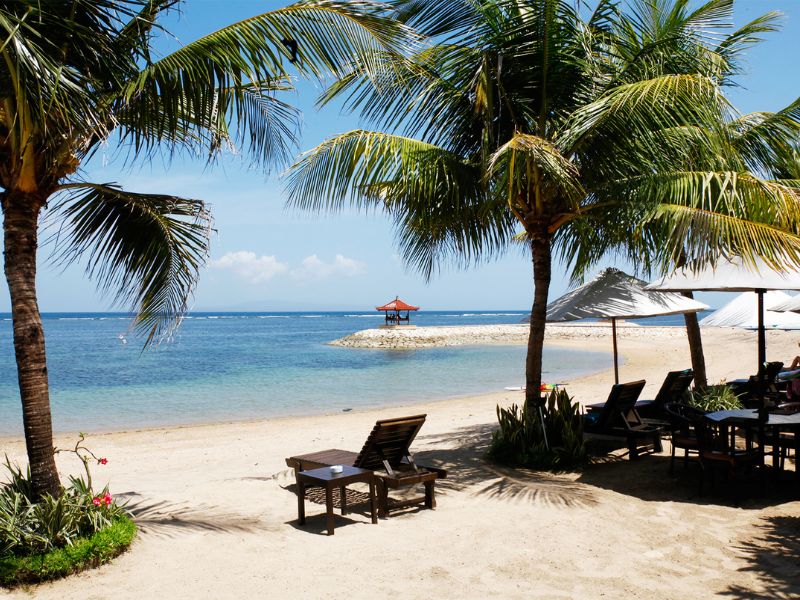
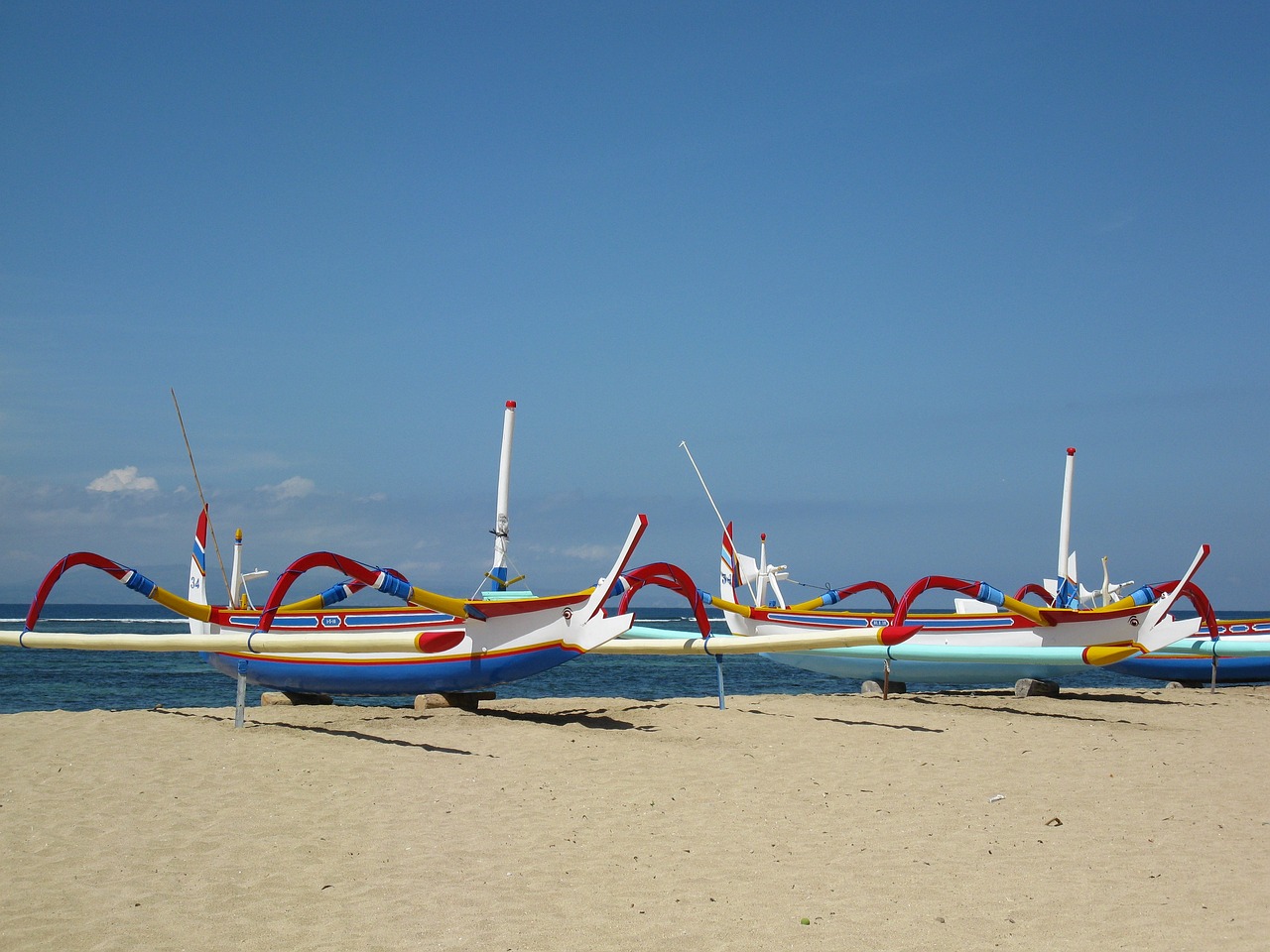
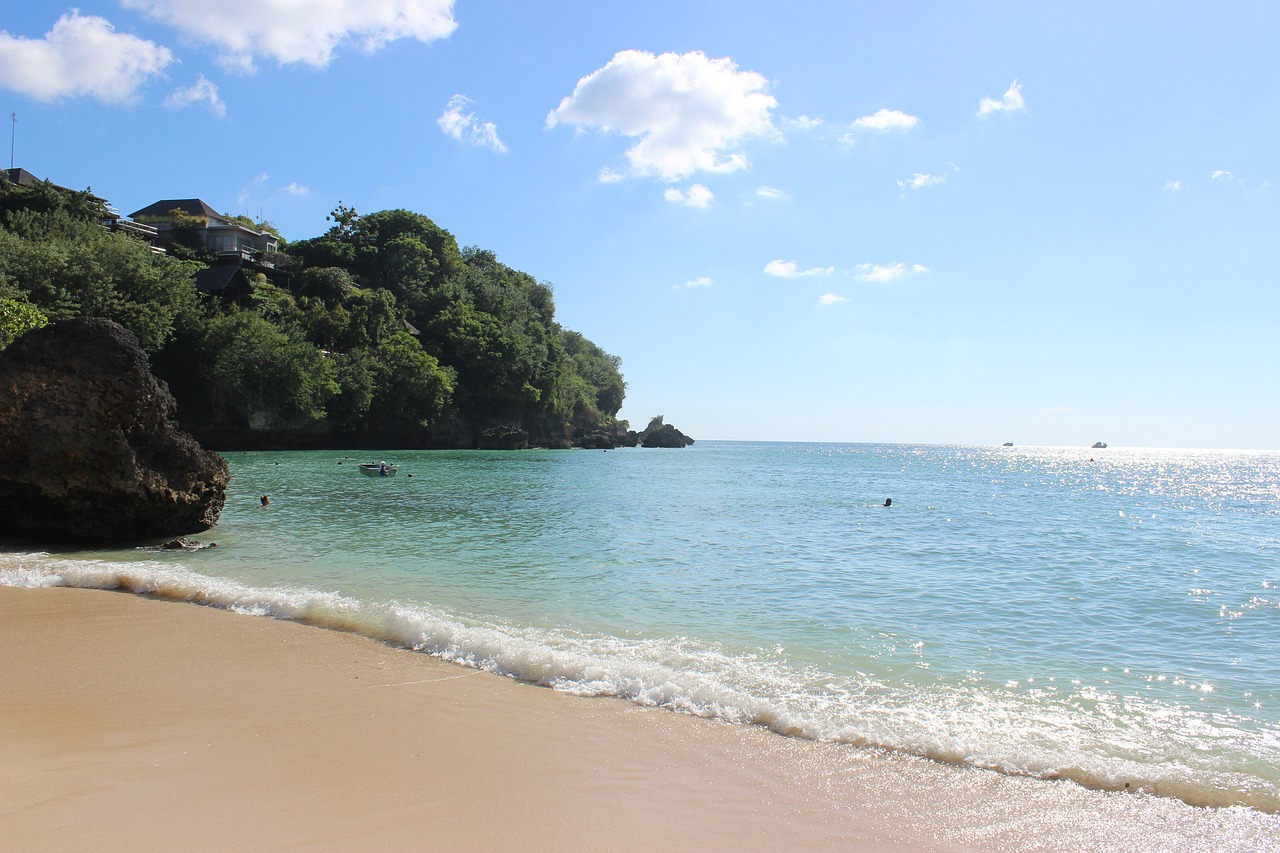
Bali’s beaches form the island’s most celebrated face, alternating golden stretches with volcanic bays of dark sand. Along the southern coast, Kuta and Seminyak draw surfers with their long swells and sunsets over the Indian Ocean, while Jimbaran shelters seafood grills at the water’s edge and Nusa Dua lines elegant resorts along calm lagoons. Further east and north, secluded coves such as Sanur and Lovina invite diving, snorkelling and dawn dolphin-watching. Everywhere the sand meets seafront temples, street-food stalls and Bali’s relaxed spirituality. A mosaic of shorelines for every holiday pace, from the southern nightlife to the contemplative quiet of the remoter bays. Sanur holds the most authentic and peaceful soul of Bali's eastern coast, a beach resort of long standing facing calm reef-sheltered waters, ideal for families and for those seeking relaxation. A seafront promenade several kilometres long runs alongside the beach, dotted with historic hotels, cafés and restaurants, and offers memorable sunrises over the Indian Ocean. Its laid-back atmosphere and shallow waters make Sanur perfect for swimming, kayaking and windsurfing, or for setting off by boat to the nearby islands of Nusa Lembongan and Nusa Penida. Nearby, the Le Mayeur Museum — home of the Belgian painter who immortalised Bali — and the temples and markets that bear witness to everyday Balinese life are well worth a visit. With its gentle pace and old-world charm, Sanur is the ideal destination for a serene seaside holiday in touch with local culture.
Auto
Giorno 4 — Sanur → Ubud
Ubud rises among the terraced rice fields and rainforests of Bali's mountainous heart, long recognised as the island's cultural and spiritual capital. Far from the beaches of the south, it draws travellers seeking art, wellbeing and a more authentic Bali of temples, sacred dances and drifting incense.
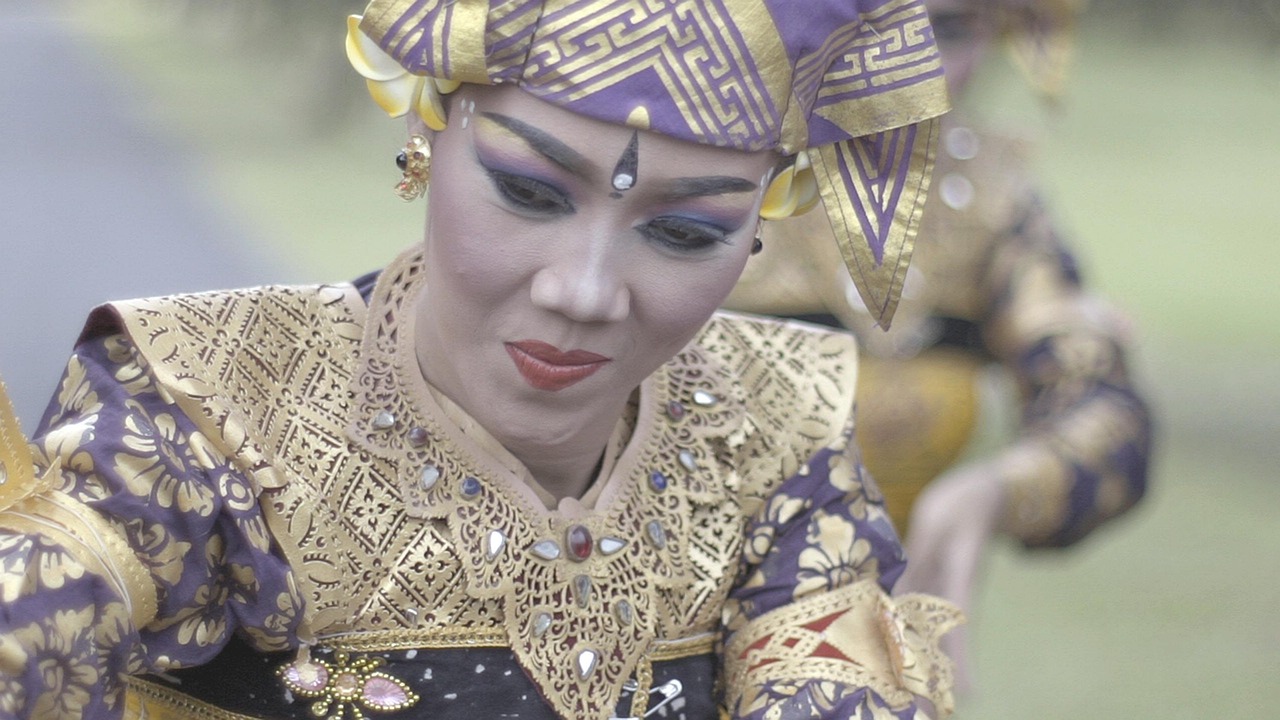
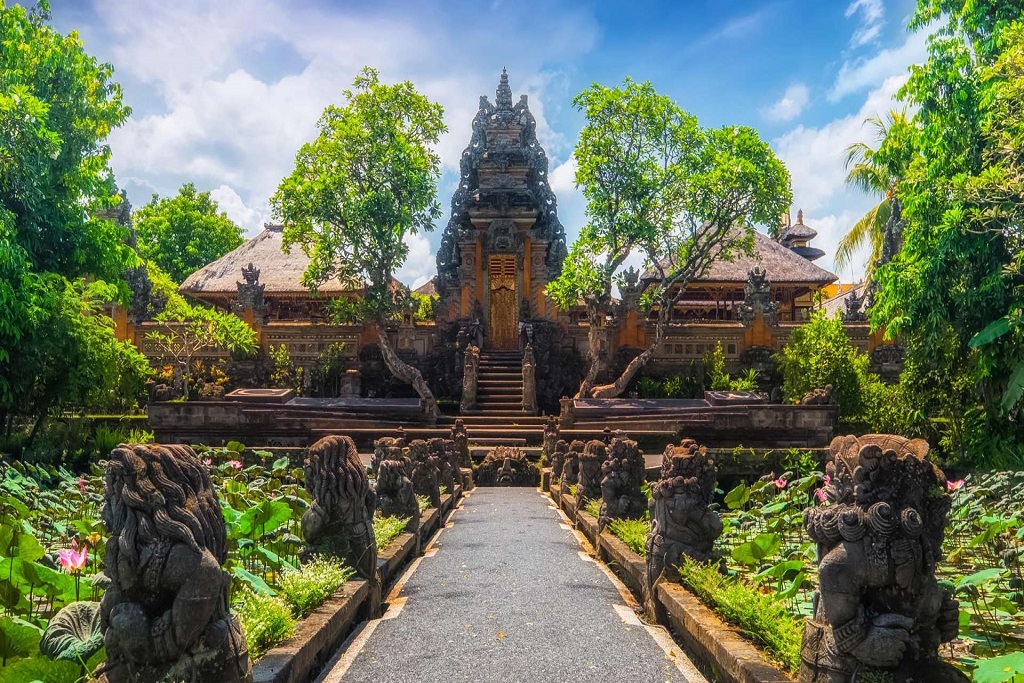
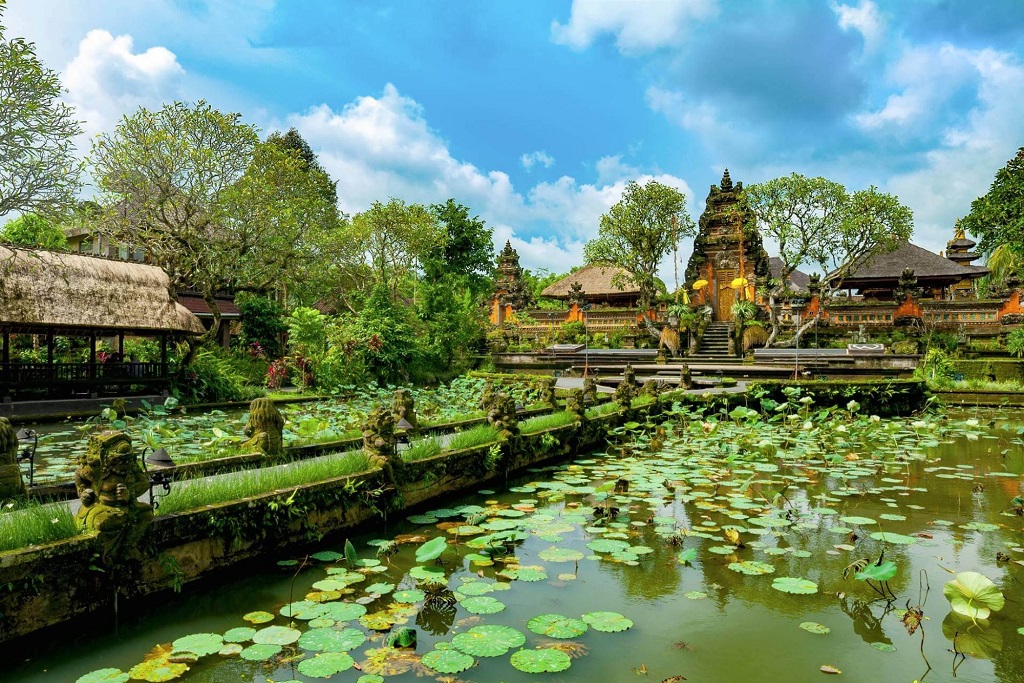
The town's heart beats around Jalan Raya Ubud and the covered art market, where textiles, wood carvings and paintings blend into everyday life. Nearby stands Puri Saren Agung, the royal palace still inhabited by the ruling family, which hosts evening performances of traditional dance such as the Legong and the thunderous Kecak, sung by dozens of male voices. Along Jalan Monkey Forest lies the Sacred Monkey Forest Sanctuary, a sacred grove home to macaques and dotted with moss-covered temples. Just outside the centre, Pura Taman Saraswati enchants with its lotus pond, while the nearby Pura Tirta Empul, a sacred spring where Balinese purify themselves in the waters, and the rock-cut complex of Goa Gajah (the Elephant Cave) tell the region's long spiritual story.
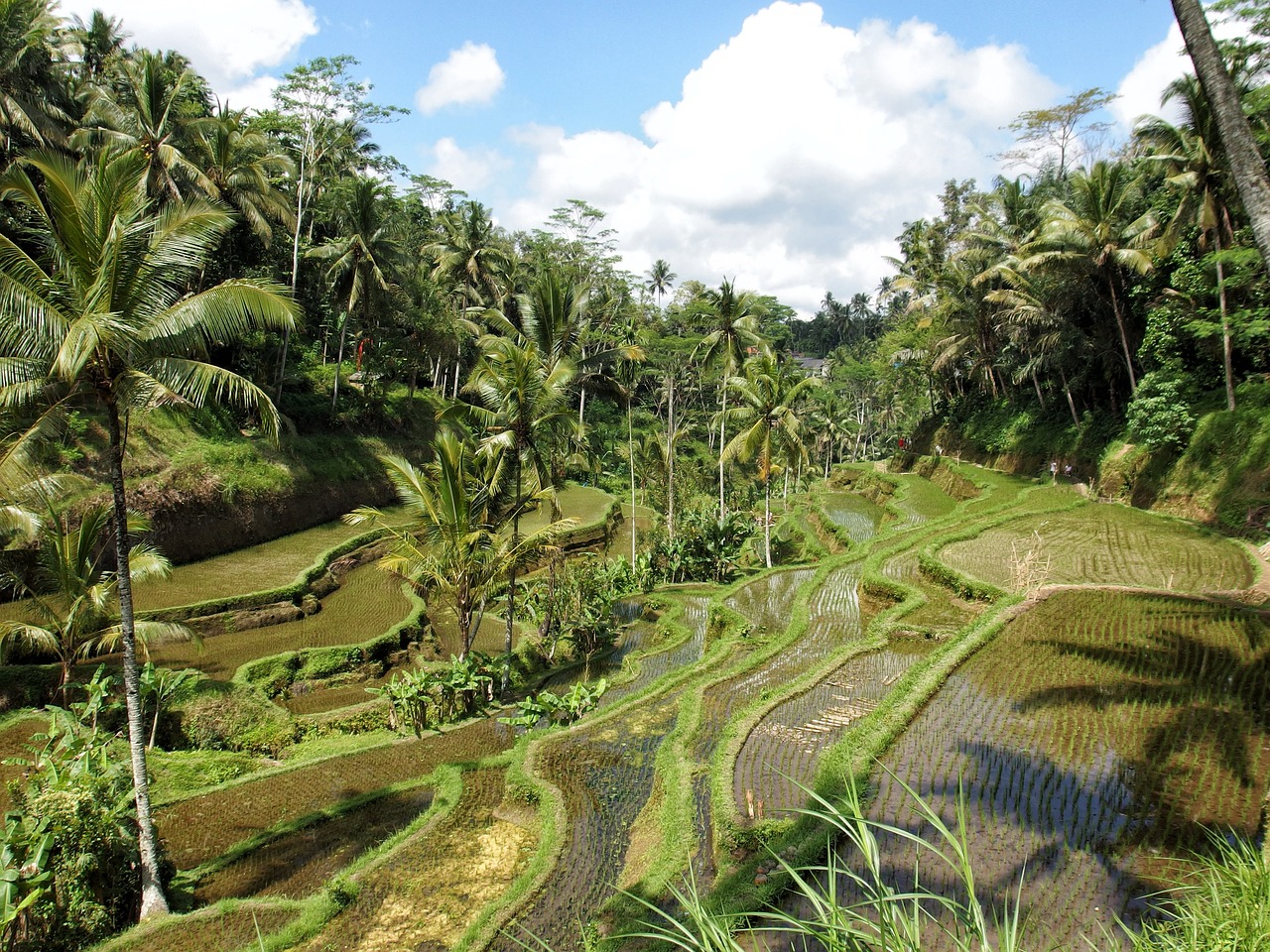
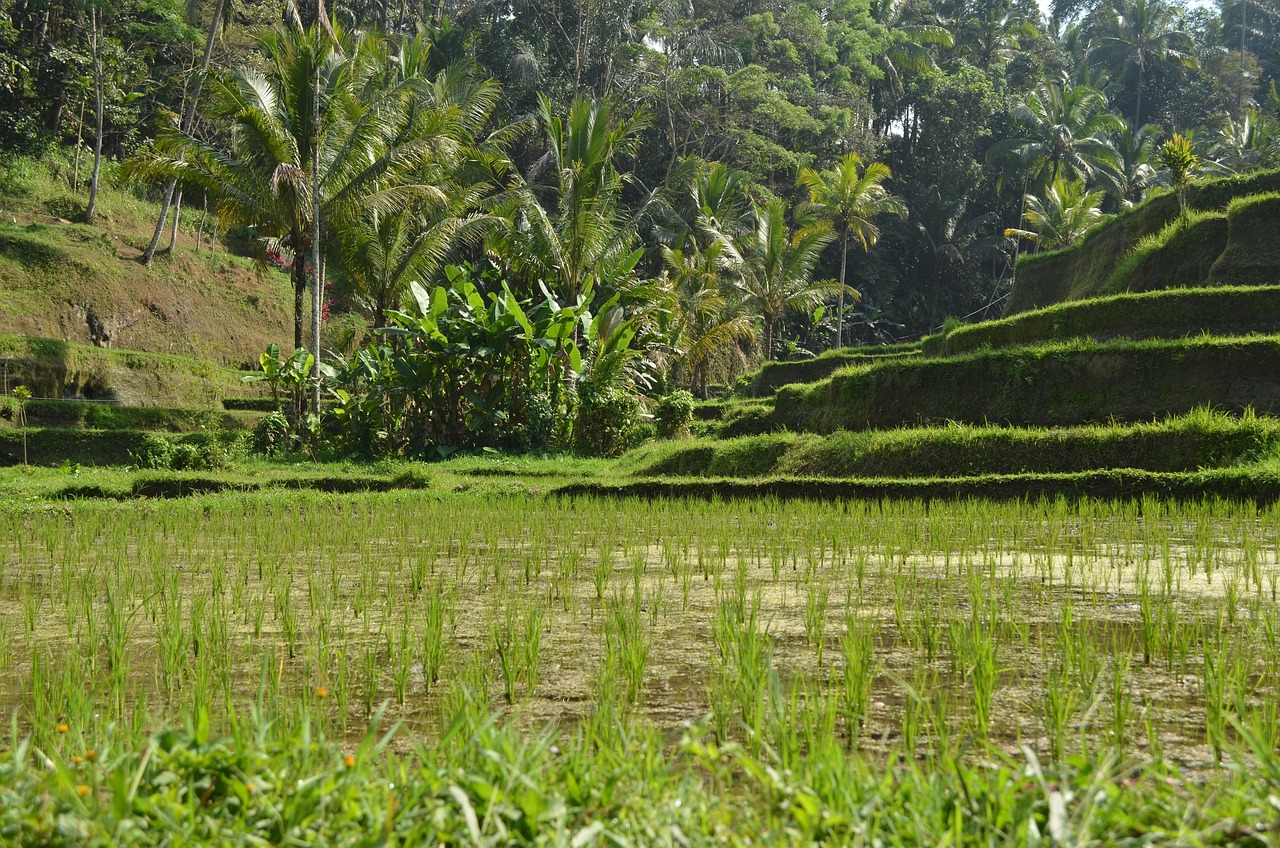
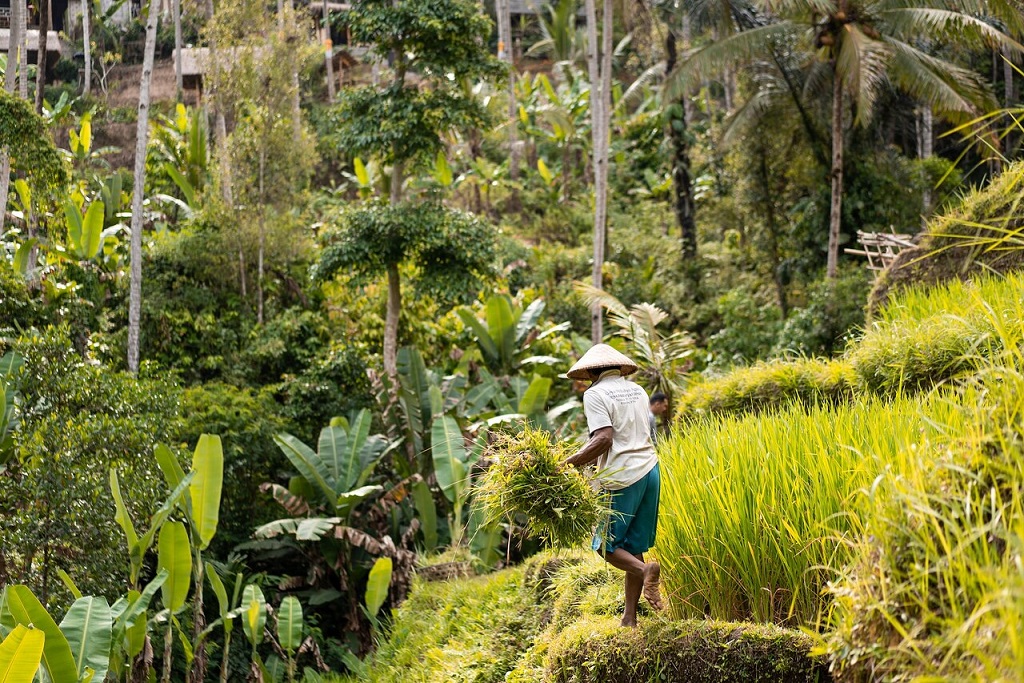
Around Ubud the landscape unfolds into some of Bali's most famous scenery: the terraced rice paddies of Tegallalang, shaped by the ancient subak irrigation system recognised by UNESCO, and the artisan villages of Mas, Celuk and Batuan, specialising in carving, silverwork and painting. Days may begin with a sunrise yoga class, a stroll along the Campuhan Ridge Walk through green hills, or a Balinese cooking class amid spices, sambal and babi guling. Further north lie excursions to the Tegenungan waterfalls and the volcanoes, while jungle-set cafés and refined spas complete the unhurried mood.
Ubud is best experienced slowly, guided by the sound of gamelan and the endless green of the rice fields.
Auto
Giorno 7 — Ubud → Sidemen
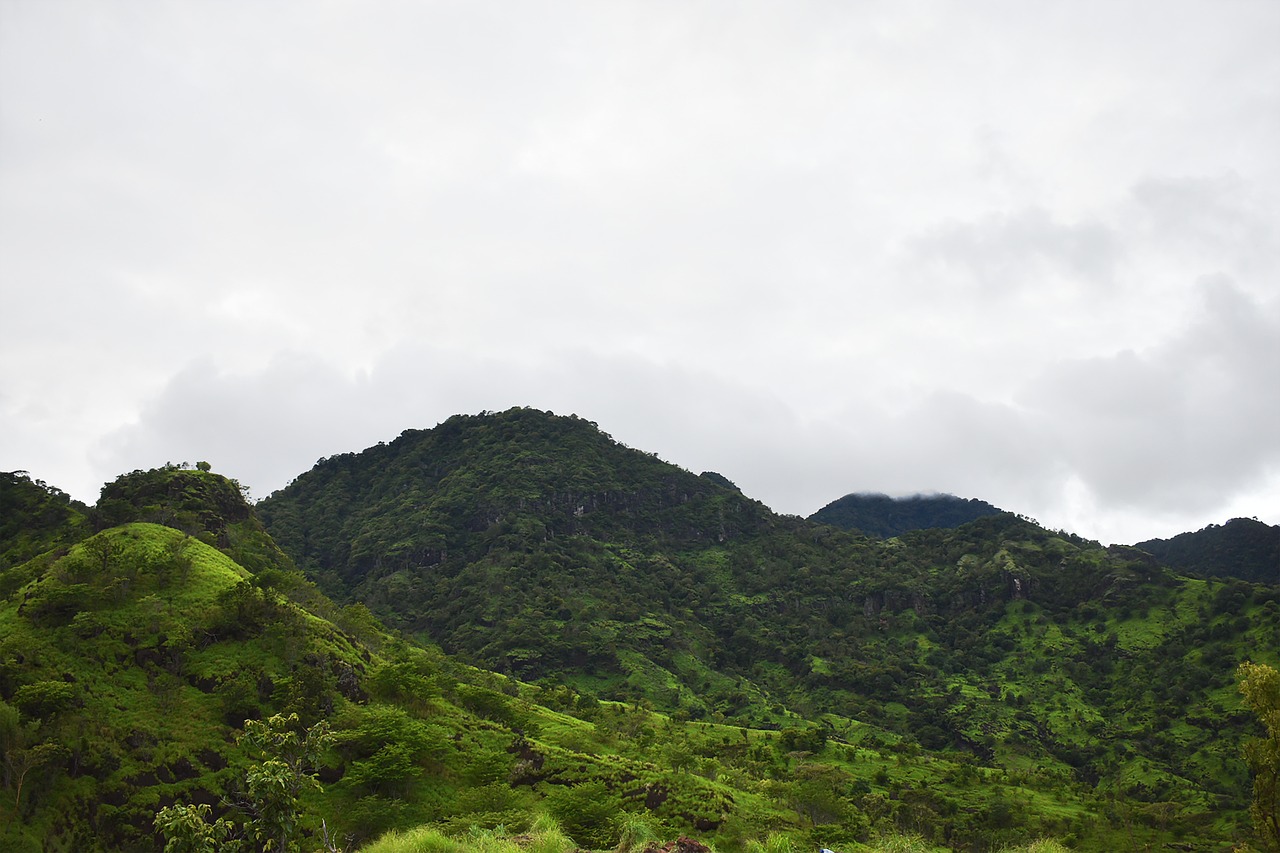
Sidemen unfolds across one of the greenest, most peaceful valleys in eastern Bali, where terraced rice fields climb gently toward the slopes of sacred Mount Agung, the island's highest volcano. Far from mass tourism, this rural area preserves the authentic rhythm of the Balinese countryside, marked by work in the fields and the ancient art of weaving: the prized endek and songket textiles are still handmade here on traditional looms, using techniques passed down through generations. The Telaga Waja river, flowing through the valley among rapids and gorges, offers thrilling whitewater rafting through lush landscapes, while paths winding through the greenery lead to hidden waterfalls and small villages where time seems to stand still. Clear mornings reveal the perfect view of Agung's cone, a place of pilgrimage and the spiritual heart of Balinese Hinduism. Sidemen is the ideal retreat for those seeking nature, authenticity and tranquillity, far from the bustle of the coastal resorts.
Auto
Giorno 9 — Sidemen → Candidasa
Candidasa stretches along Bali’s eastern coast, a tranquil seaside town facing the Lombok Strait and ringed by green hills. Once a fishing village, it is now a relaxed base for exploring the island’s more traditional side: nearby lies Tenganan, one of the oldest Bali Aga villages, keeper of the unique double-ikat geringsing weaving art. The offshore waters offer diving and snorkelling towards the Gili Tepekong islets, while the lagoon and its lotus gardens frame the seafront. From here the Tirta Gangga water palace and the mother temple of Besakih on the slopes of Agung are within easy reach. Candidasa is the serene face of east Bali, where culture, sea and nature coexist far from the bustle of the south.

_20260824180123.png)
_20260824180123.png)