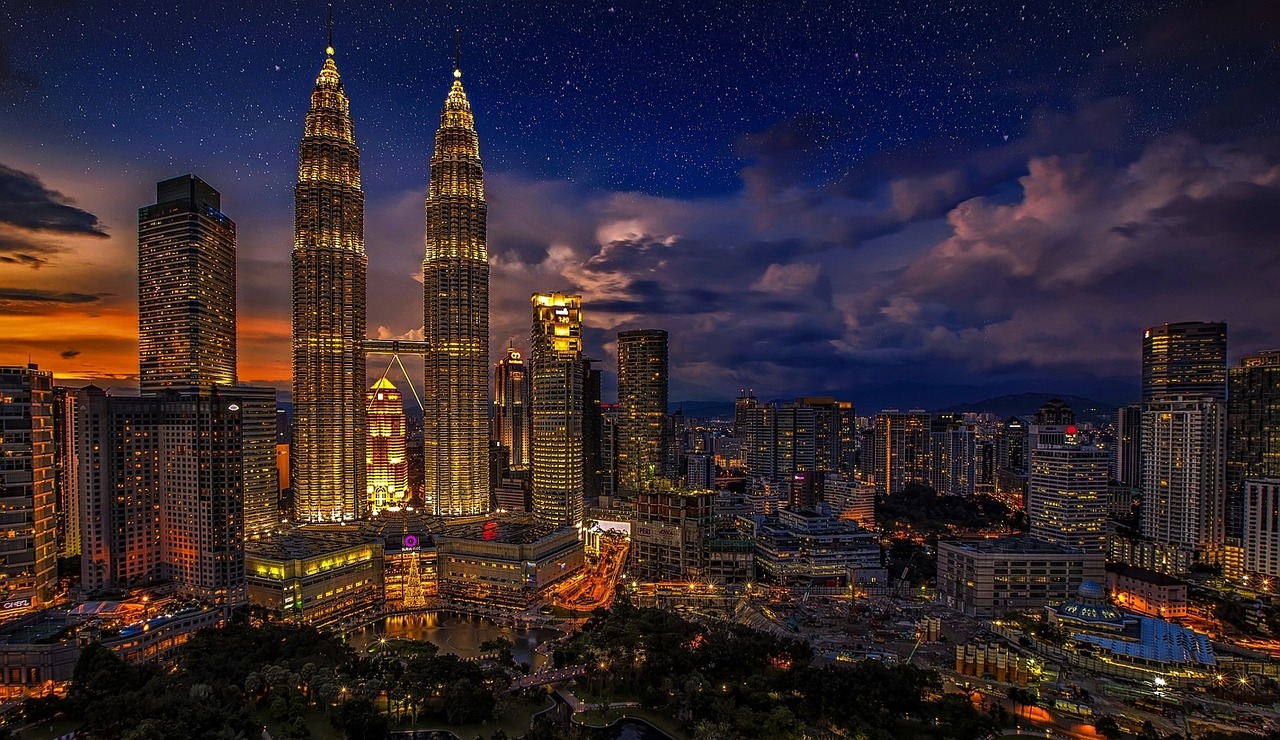
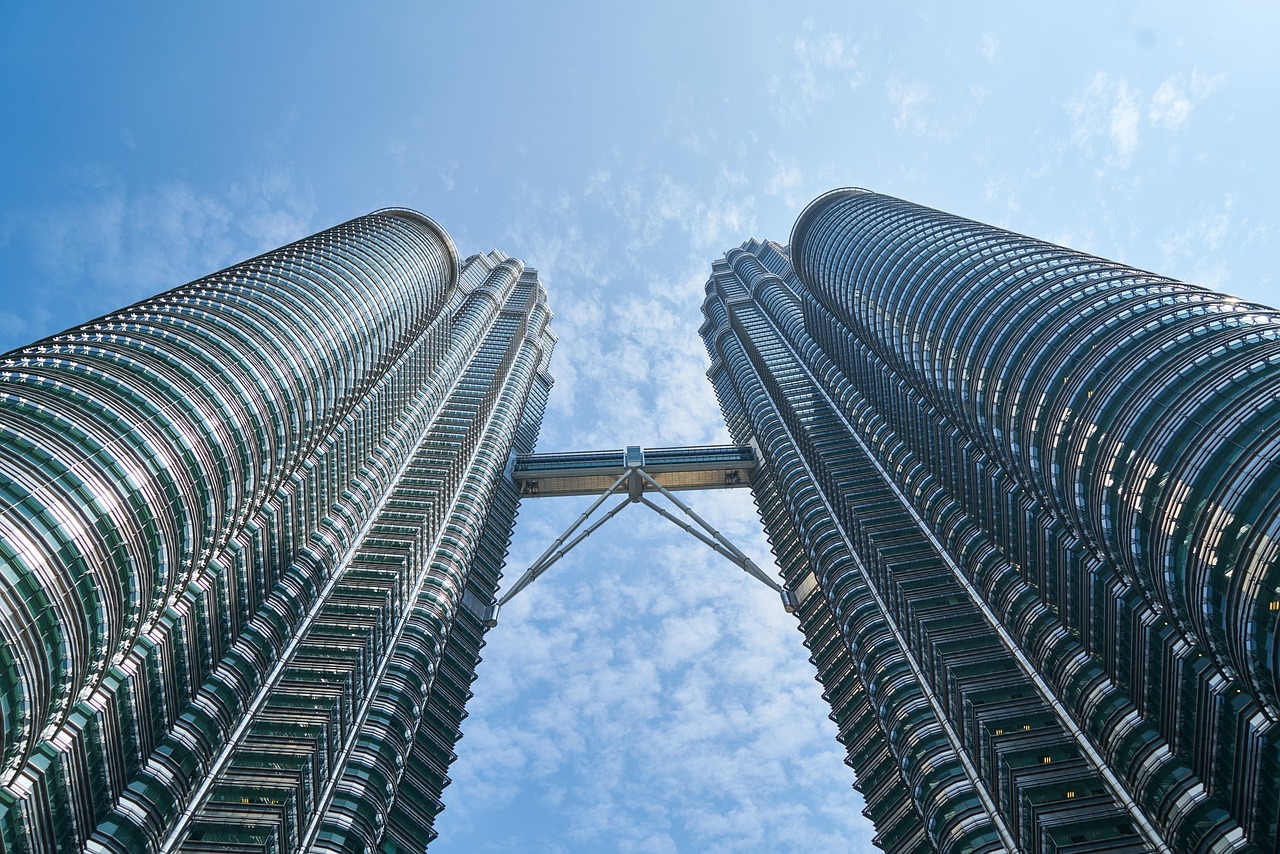
Kuala Lumpur rises against the Malaysian sky with the Petronas Towers — for years the world's tallest buildings — dominating the KLCC district at sunset when the steel glows copper and gold. Malaysia's capital is a multicultural metropolis where Malay, Chinese and Indian communities coexist, each with its own flavours and rituals. Chinatown — Petaling Street — buzzes with spices and street food; Masjid Jamek marks the historic heart at the old confluence of the Gombak and Klang rivers. Batu Caves, reachable by metro, shelter limestone caves with a forty-two-metre golden statue of the god Murugan. The MRT makes it easy to move between Bukit Bintang — with its malls and fine-dining restaurants — and Lake Perdana with its botanical gardens. Nasi lemak, roti canai and grilled satay tell centuries of cultural cross-pollination. A city that surprises at every turn.
Auto
Giorno 3 — Kuala Lumpur → Malacca
Malacca (Melaka) is one of the most historically significant cities in South-East Asia, declared a UNESCO World Heritage Site in 2008. Controlled by the Portuguese, Dutch and British between the sixteenth and nineteenth centuries, the city carries centuries of overlapping influences in its streets: the Santiago Gate (A Famosa), the red-painted Christ Church and the Dutch Stadthuys are its defining symbols. Jonker Street hosts one of Malaysia's most famous night markets, scented with laksa and cendol. The Melaka River, lit with colourful reflections in the evening, can be explored by boat, revealing murals and hidden gardens.

_20260731144127.png)
_20260731144127.png)
_20260731144128.png)