Giorno 9 — Bangkok
Km 200.
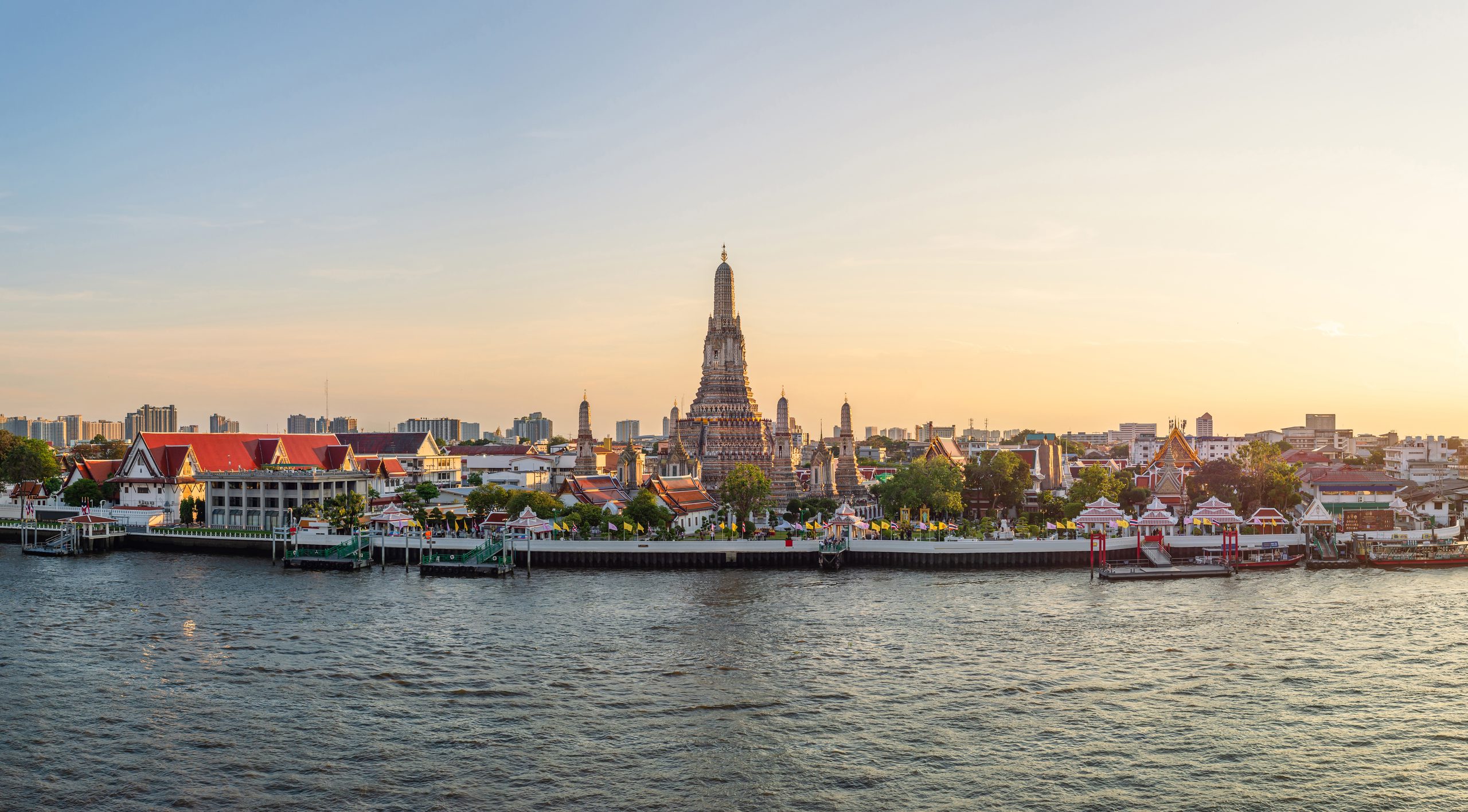
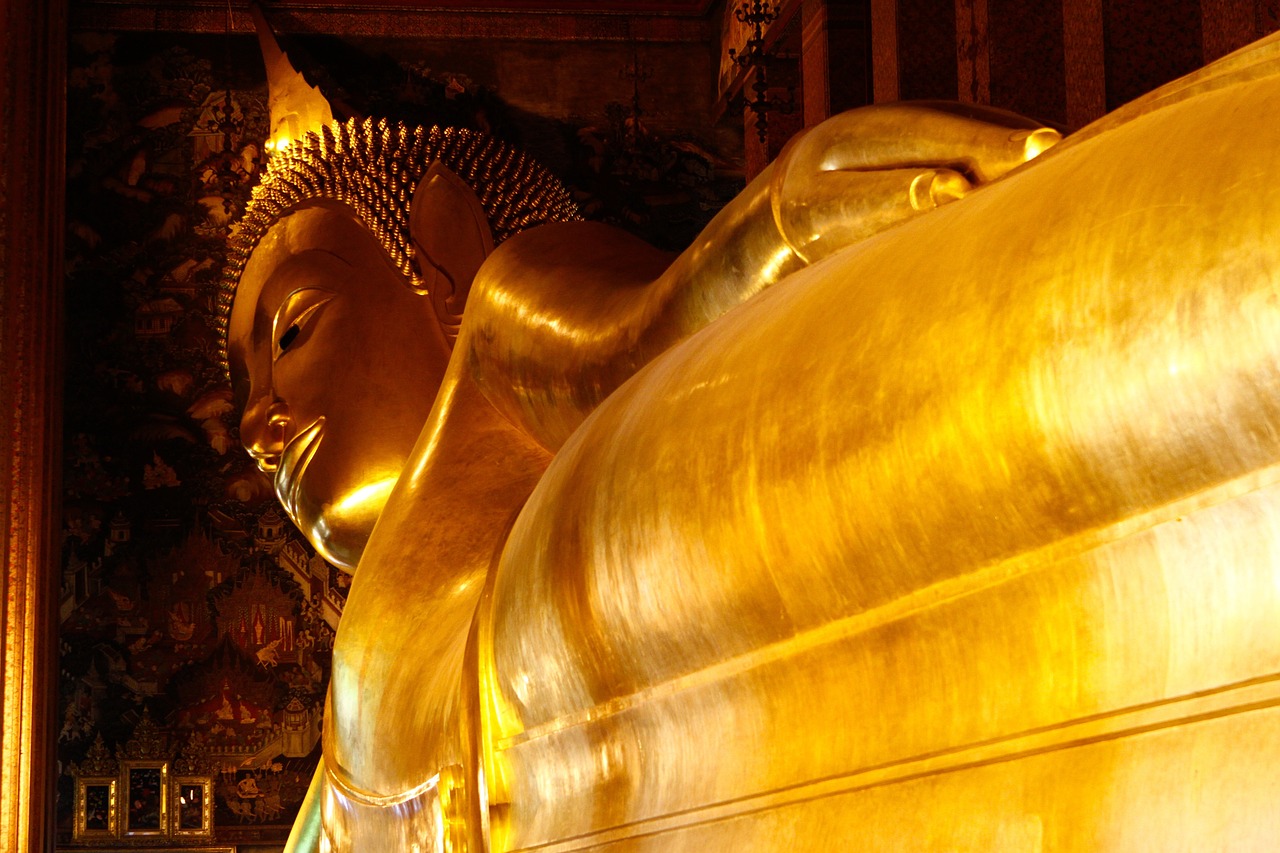
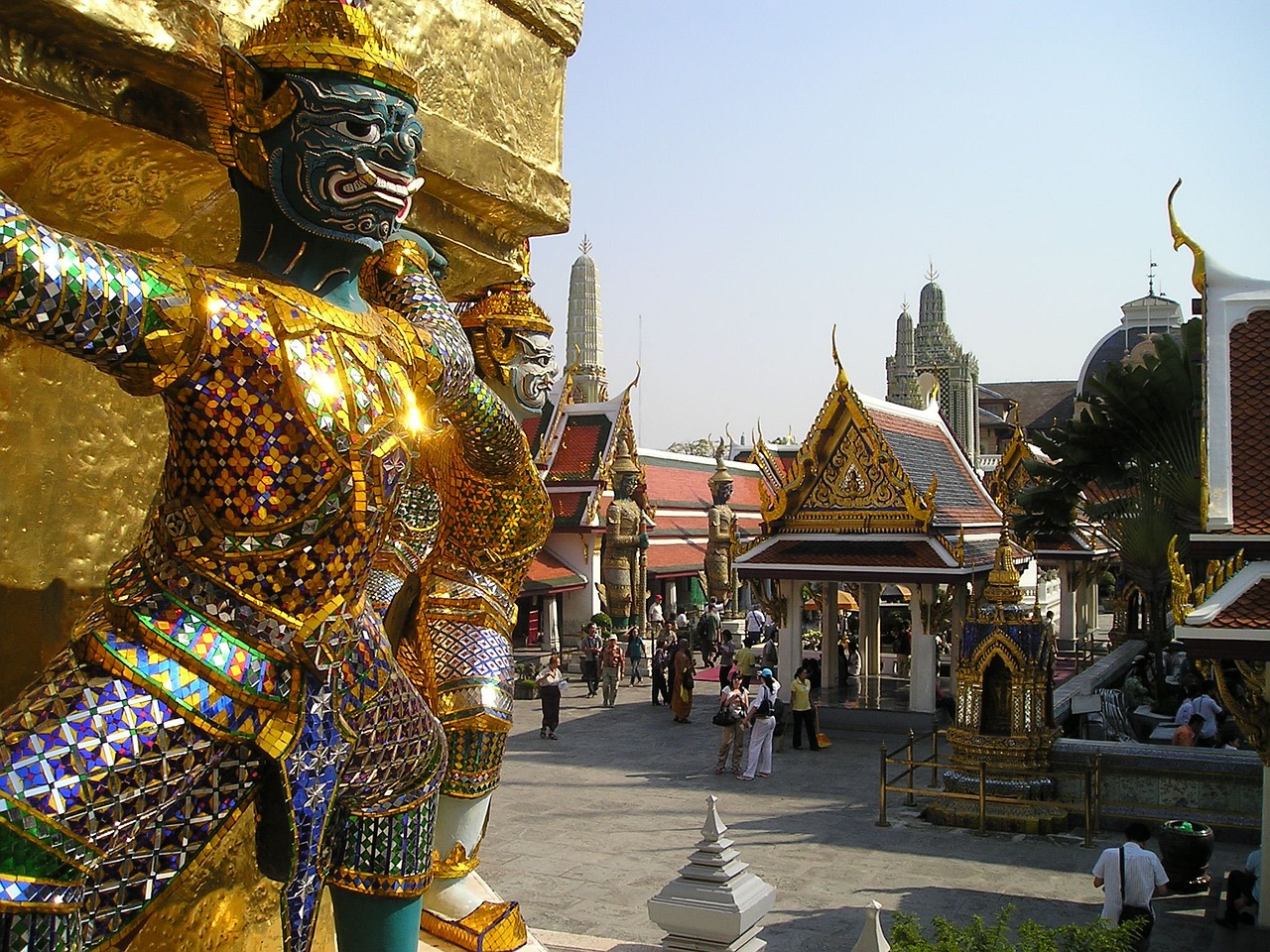
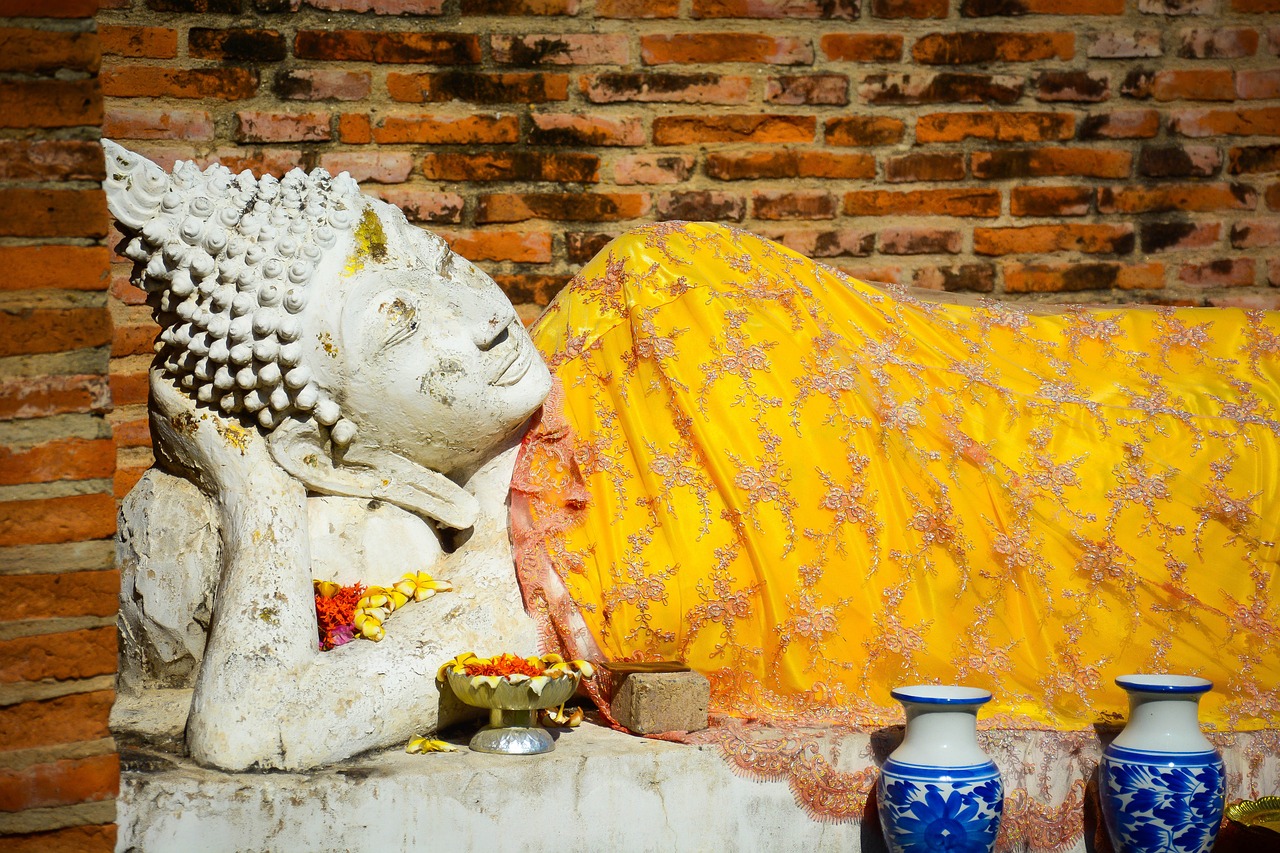
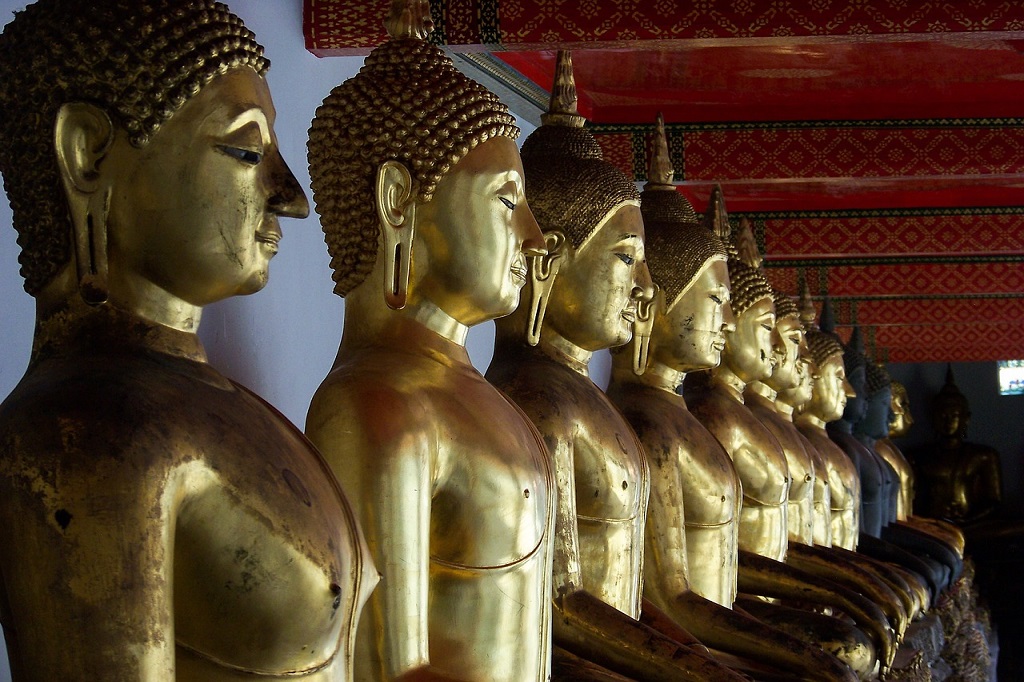
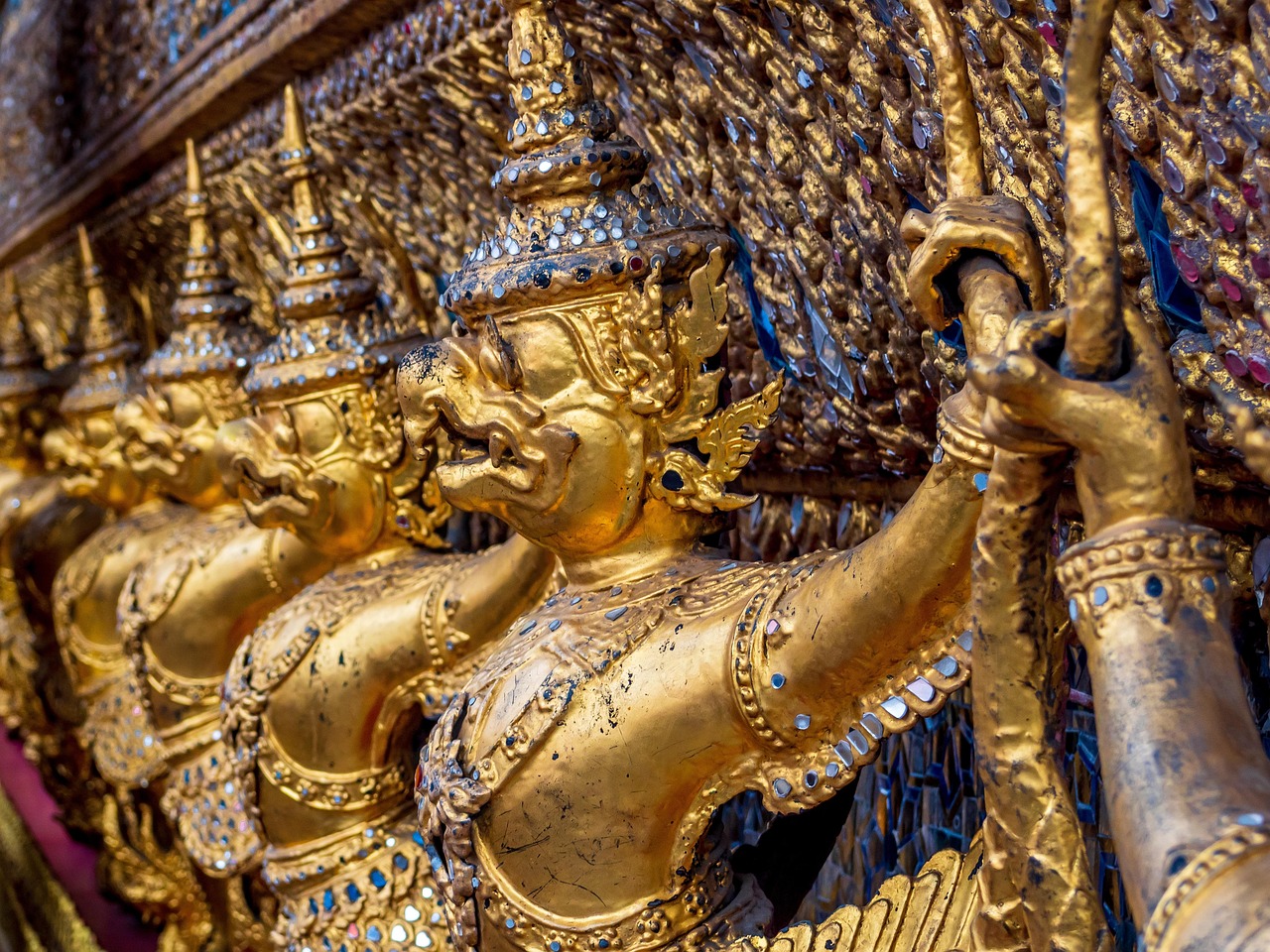
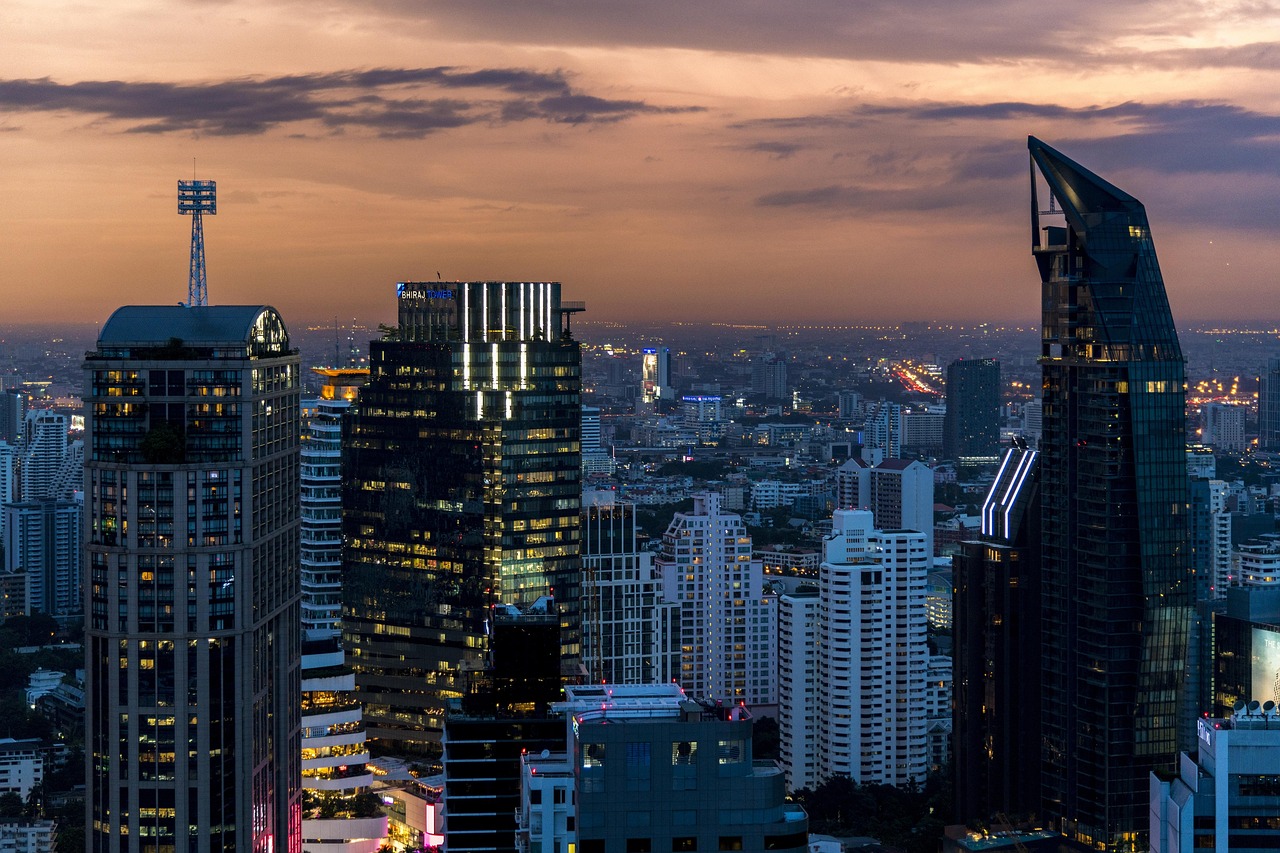
Breakfast. At 08:30 you meet the guide in the hotel lobby and set off for the day's tour. The first stop will be Wat Saket, also known as the "Golden Mount". In the 19th century, King Rama III ordered the construction of an imposing Chedi (bell-shaped pagoda), but the building collapsed during construction. The rubble formed a hill, which in time became covered with vegetation. The site was later restored and enlarged with a smaller Chedi, erected above the mound of rubble. On this occasion a relic attributed to the body of the Buddha arrived from Sri Lanka and was placed inside the Chedi. Today the shrine is reached by climbing a spiral staircase of about 300 steps, which also passes alongside the row of sacred bells that pilgrims ring for good fortune and to drive away evil spirits. From the panoramic terrace you enjoy a spectacular view over the most representative districts of Bangkok, ideal for memorable photographs. Afterwards you will cross the Chao Phraya river to reach one of the city's most famous symbols: Wat Arun, or the "Temple of Dawn". Located in Thonburi, on the opposite bank of the river, Wat Arun is famous for its imposing pagoda, a true emblem of Bangkok. After the destruction of Ayutthaya in 1767 by the Burmese, Thonburi temporarily became the capital of Siam until the founding of present-day Bangkok in 1782 by King Rama I. During this period, King Taksin chose Wat Arun as the state temple. The complex was enlarged in the following century, with the construction of the tall and majestic central pagoda, which represents Mount Meru, the centre of the universe according to Buddhist tradition. Lunch in a local restaurant. At 14:00 the visit to the Royal Grand Palace begins, the royal residence built at the end of the 18th century when Bangkok became the capital of Siam. The Grand Palace was a residence and seat of government until 1925 and houses the famous Wat Phra Kaew, the temple where the Emerald Buddha is kept, one of the most representative symbols of the royal dynasty. According to legend, the statue comes from India and reached South-East Asia through the Khmer of Angkor, passing through Lanna (today Northern Thailand), Luang Prabang and Vientiane, before being brought by the Siamese to Bangkok in 1779. Inside the Grand Palace there are also other historic complexes: the Montien Group, once the private residence of the kings and today the keeper of the ashes of several sovereigns of the current dynasty; the Dusit Maha Prasat Audience Hall; and the Chakri Throne Hall, designed by English architects on the orders of Rama V at the end of the 19th century. The Chakri complex can be visited only from the outside, while the Dusit and the Montien may occasionally also be visited inside (access not guaranteed). Next, a visit to Wat Pho, the oldest Buddhist monastery in the city. The sacred "Bot" holds a revered image of the Buddha, protected by two surrounding walls, while four imposing bell-shaped stupas behind it contain part of the ashes of the first kings of the current dynasty. Wat Pho is also famous for the Reclining Buddha, a gigantic statue symbolising the majesty of the Buddha in the face of evil, linked to a legend unique to South-East Asia. Inside the complex there is also the seat of the oldest school of Thai massage. Return to the hotel at around 17:30. Available evening. Dinner free.