Andalusia Essential Indulgence: icone con Hospes Hotels
Itinerari consigliati8 Giorni
Siviglia, Spagna
Siviglia›Cordoba›Granada›Malaga
Itinerary
Giorno 1 — Siviglia
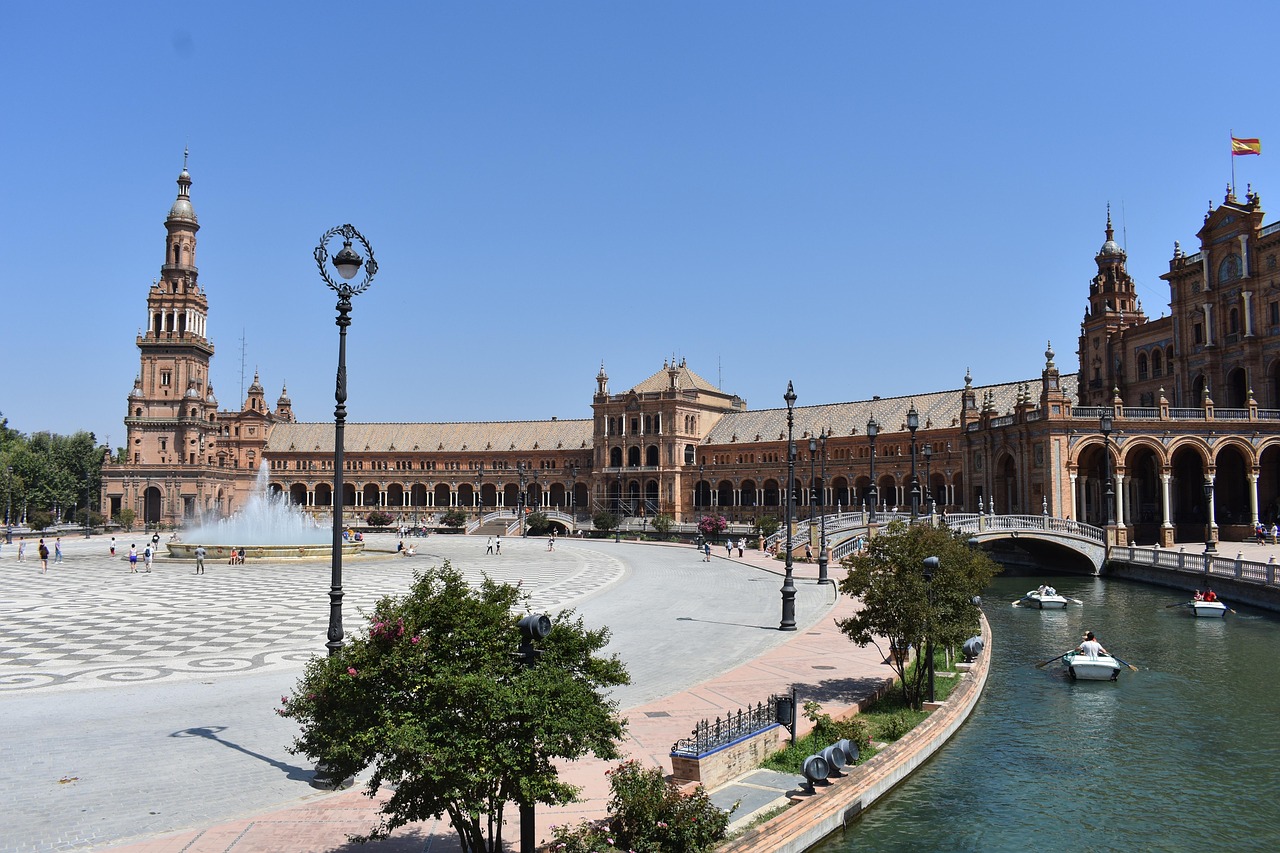
Founded by the Romans and later shaped by centuries of Moorish rule, Seville is the pulsing heart of Andalusia, a city of golden light where Baroque splendour and the passion of flamenco blend into an unmistakable atmosphere. Its warm climate invites you to explore on foot, among flower-filled patios, the scent of orange blossom and squares lively late into the night. The monumental heart is the majestic Catedral de Sevilla, the largest Gothic cathedral in the world, a UNESCO World Heritage Site together with the Giralda bell tower, a former minaret offering sweeping views over the city. Beside it rises the Real Alcázar, a royal palace of sumptuous Mudéjar courtyards and lush gardens, while nearby the Archivo de Indias preserves the memory of the New World. From here the whitewashed lanes of the Barrio de Santa Cruz, the old Jewish quarter, weave into a maze of shady streets, flowered balconies and hidden squares. Along the river stands the Torre del Oro, while the magnificent Plaza de España, with its sweep of brick and ceramics, is one of Spain's most spectacular settings, overlooking the broad Parque de María Luisa. The Triana district, on the far bank of the Guadalquivir, is the cradle of flamenco and traditional ceramics, with its lively market and riverside terraces. In the evening the city comes alive in its tapas bars, where you can savour jamón ibérico, pescaíto frito and chilled fino. The heart of Holy Week and the Feria de Abril, Seville enchants with its Mediterranean energy, among art, history and the unmistakable Andalusian duende, an invitation to surrender to its timeless charm.
Auto
Giorno 4 — Siviglia → Cordoba
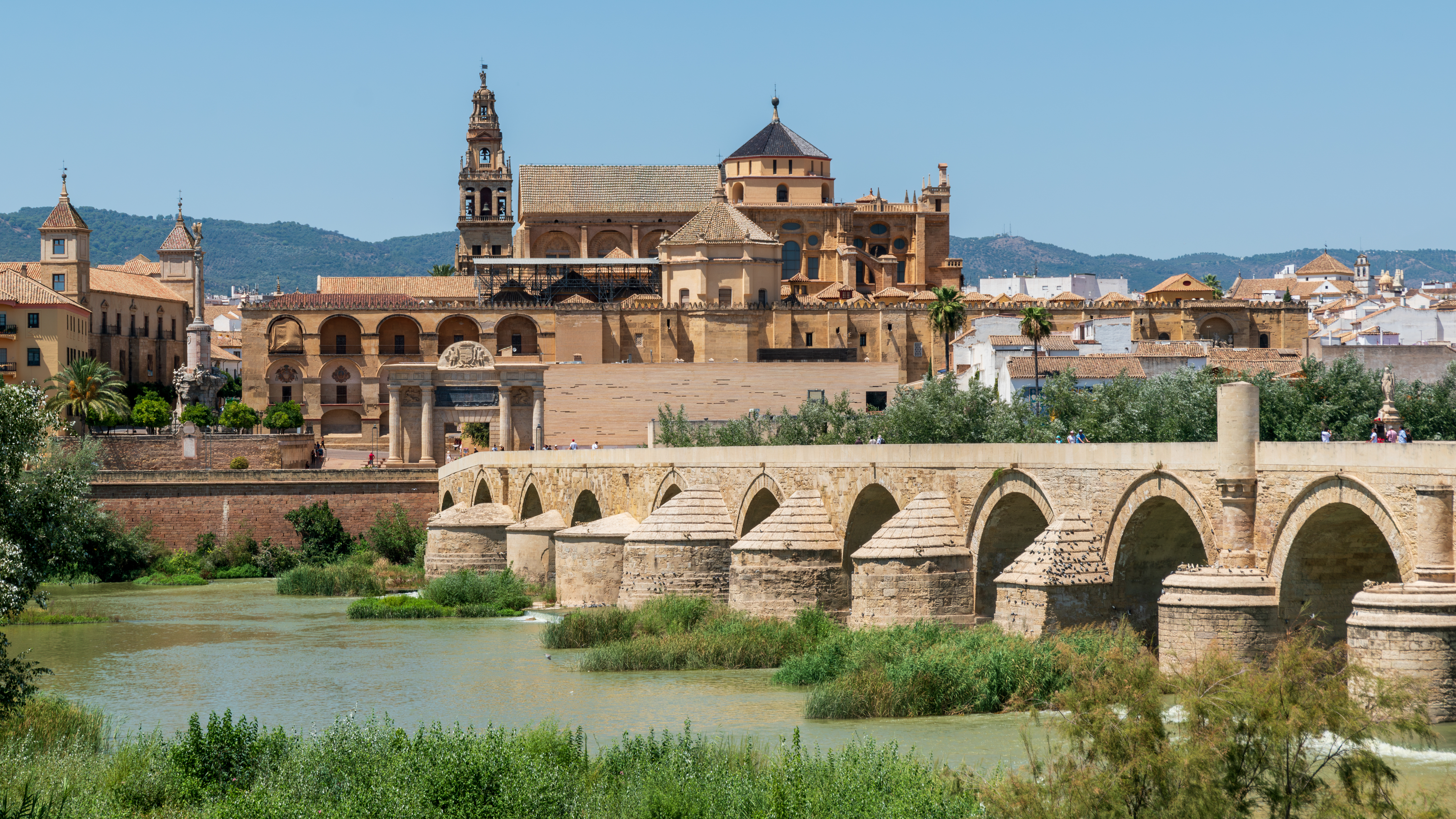
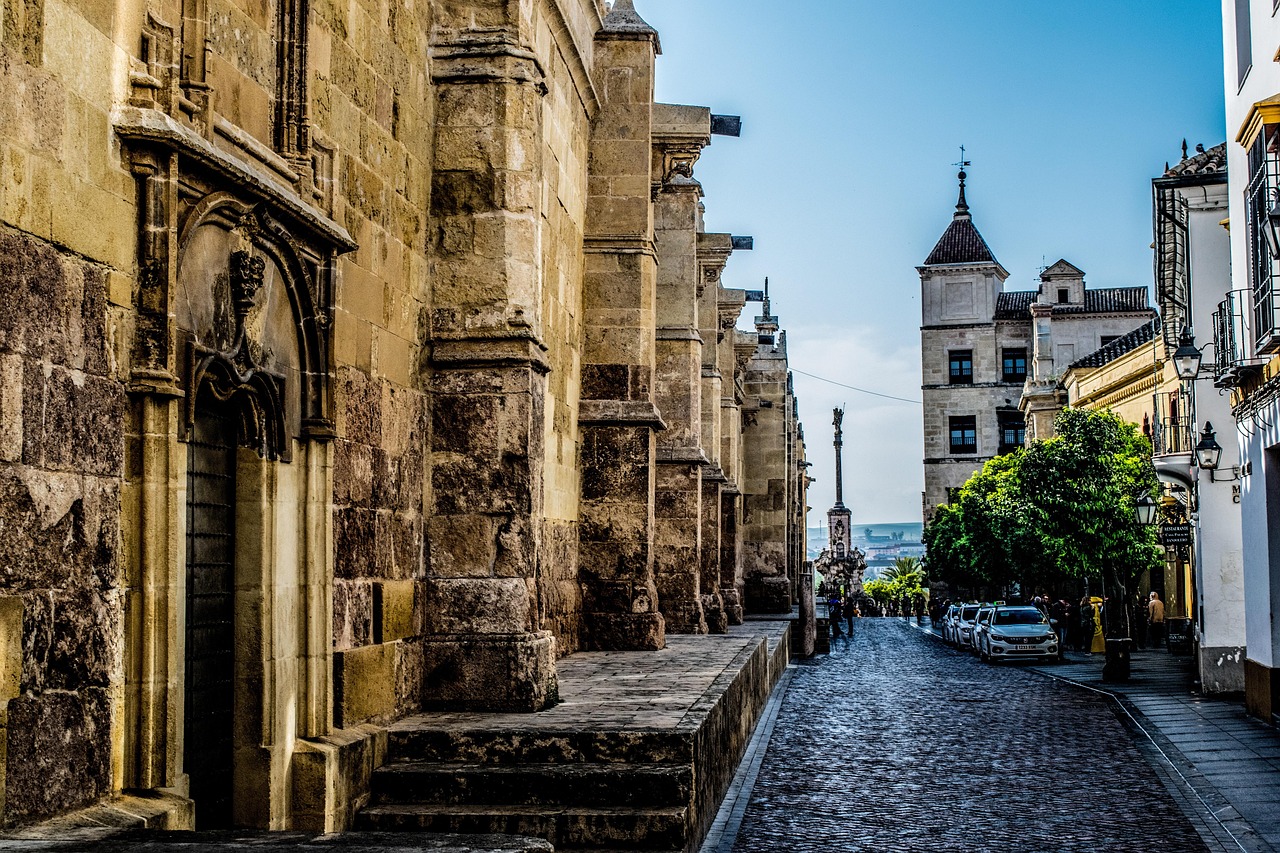
The scent of orange blossom and golden light on the cobbled lanes welcome you to Cordoba, one of the most captivating cities in Andalusia, where the imprints of Romans, Muslims, Jews and Christians still coexist today. Its emblematic monument is the Mezquita-Catedral, an extraordinary mosque-cathedral famed for its forest of two-coloured arches, a UNESCO World Heritage Site together with the entire historic centre. Around it unfolds the Judería, the old Jewish quarter of narrow lanes, flower-filled patios and craft workshops, crossed by the Synagogue and the Calleja de las Flores. Across the river stretches the Puente Romano, leading to the Torre de la Calahorra and offering the city's most famous view. Nearby stand the Alcázar de los Reyes Cristianos with its gardens and, outside the city, the ruins of Medina Azahara. Renowned for its blooming courtyards, celebrated each May in the Fiesta de los Patios, Cordoba reveals itself on an unhurried stroll, amid history, fragrance and quiet.
Auto
Giorno 6 — Cordoba → Granada
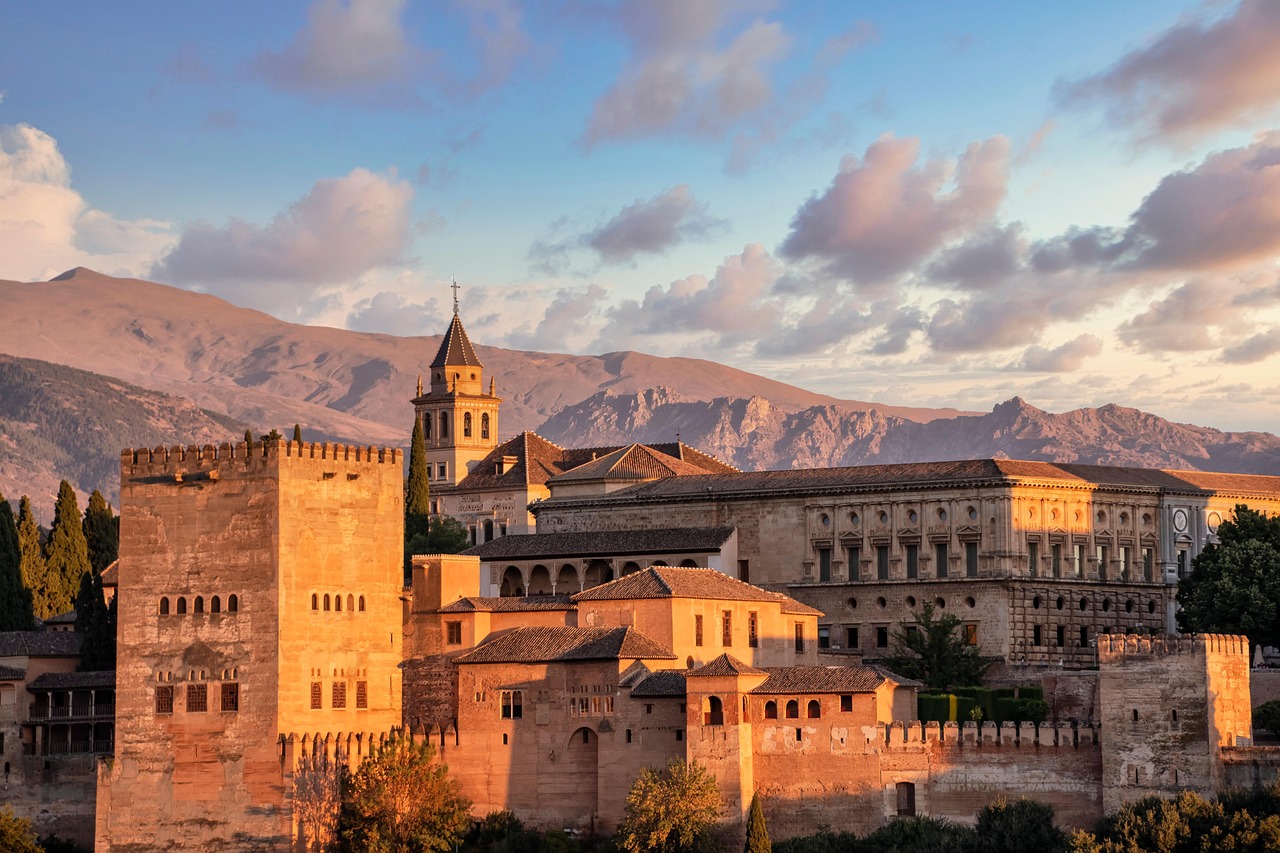
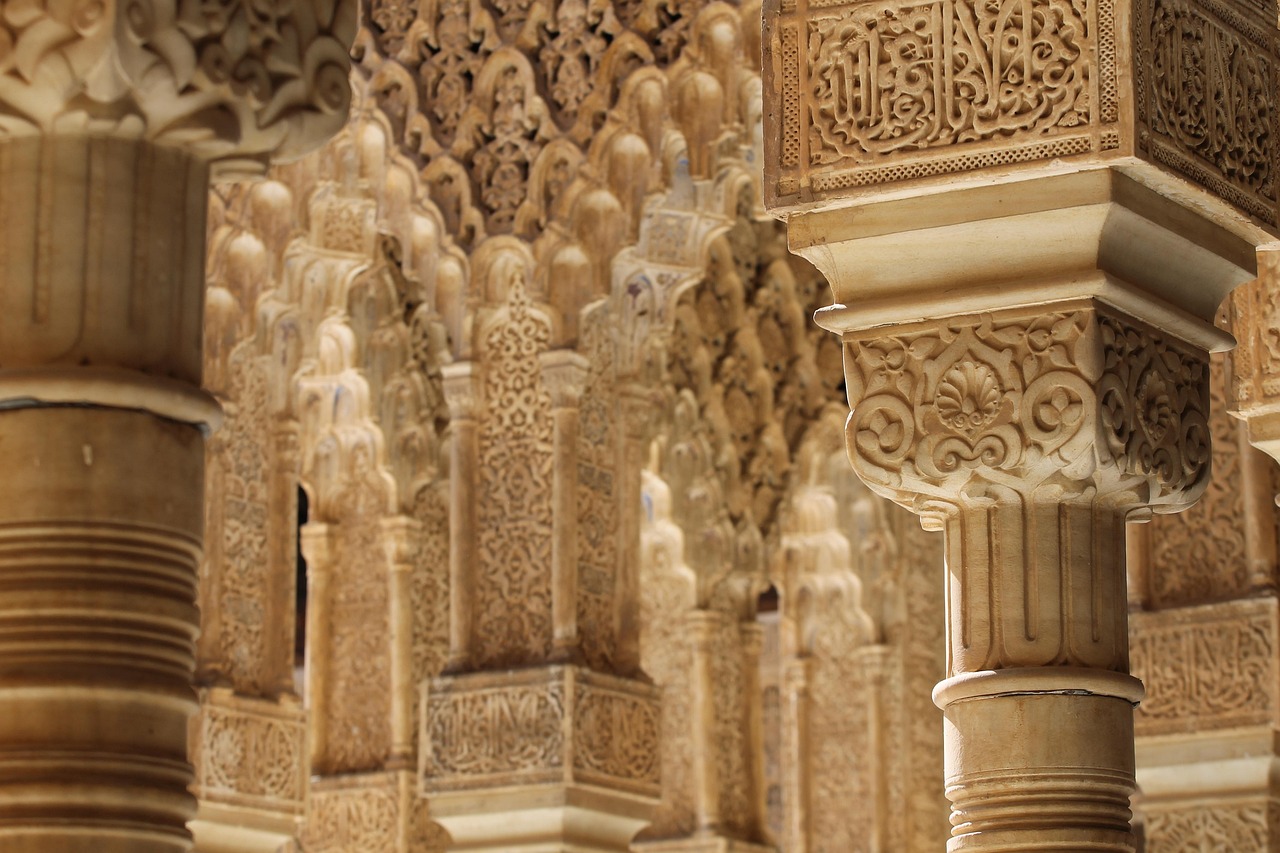
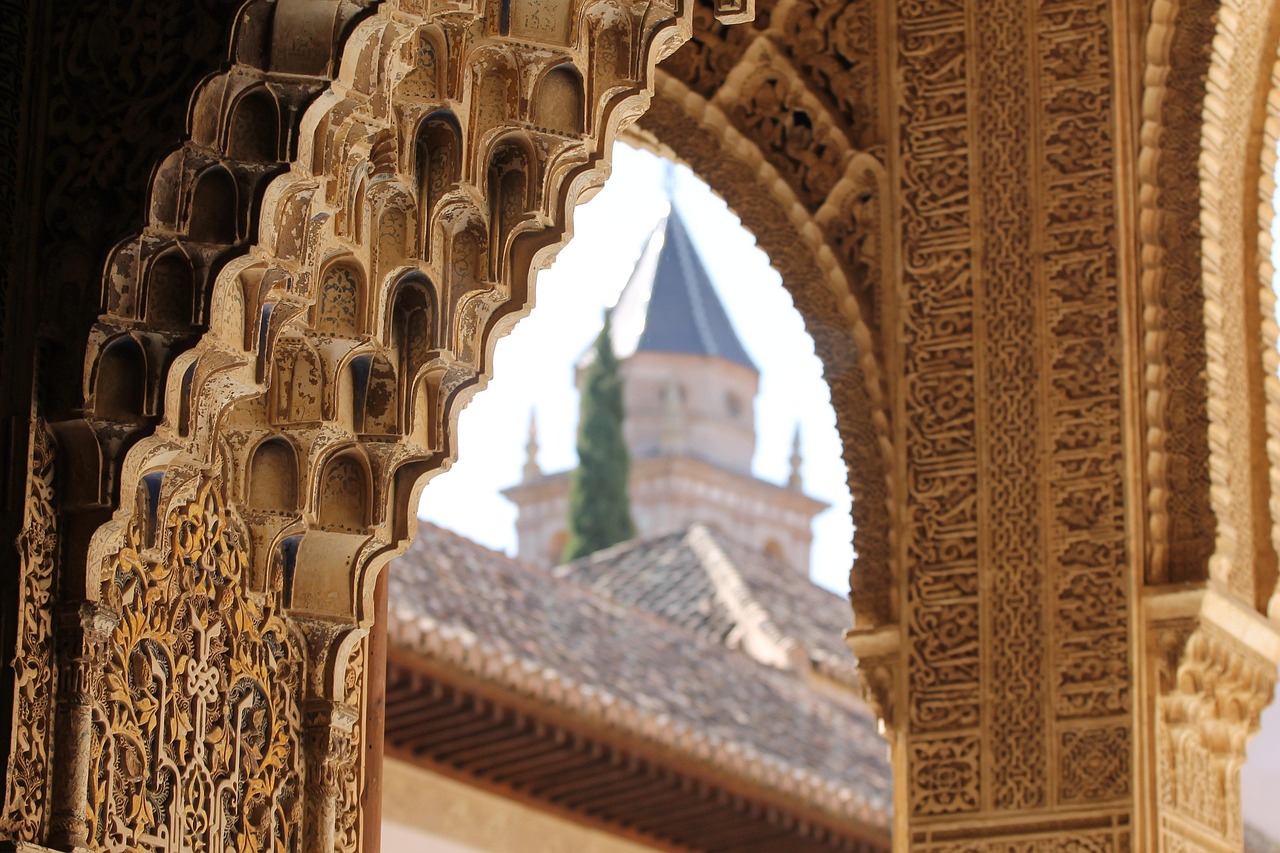
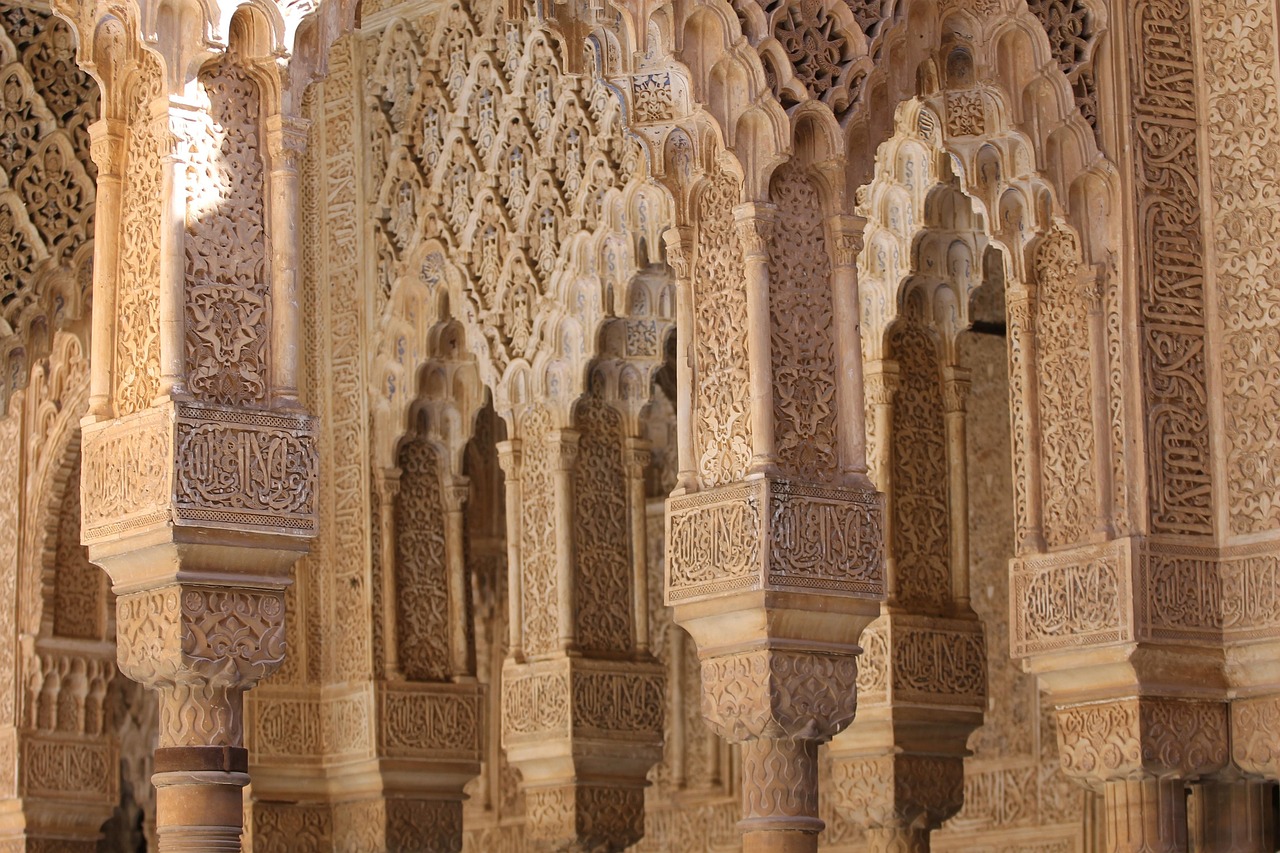
Golden light and the scent of jasmine welcome you to Granada, an Andalusian city where Moorish and Christian heritage intertwine in a timeless atmosphere. Its supreme symbol is the Alhambra, an extraordinary complex of palaces and gardens designated a UNESCO World Heritage Site, with the refined Palacios Nazaríes, the Alcazaba and the enchanting Generalife gardens overlooking the city. Below it spreads the Albaicín, the ancient Arab quarter of steep lanes and whitewashed houses, whose Mirador de San Nicolás offers the most famous view of the Alhambra at sunset. Lower down beats the historic centre with the majestic Catedral and the Capilla Real, while the Sacromonte district preserves its cave dwellings and the city's flamenco soul. Granada is also a land of generous tapas, still served with every glass of wine. Among enchanted fortresses, water gardens and lanes suspended in time, Granada invites you to lose yourself between East and West.
Auto
Giorno 8 — Granada → Malaga
Founded by the Phoenicians almost three thousand years ago, Malaga is one of Europe's oldest cities and today a lively Andalusian capital that weaves together historic heritage, seaside life and a striking artistic vocation. The birthplace of Pablo Picasso, it honours his memory with the Museo Picasso Málaga, housed in an elegant palace in the old town. Above the city rise the Alcazaba, one of the best-preserved Moorish fortresses in Spain, and the nearby Castillo de Gibralfaro, which offers sweeping views over the port and the bay. At the heart of the old quarter stands the Catedral de la Encarnación, nicknamed "La Manquita" for its unfinished tower, amid lanes alive with tapas bars and flower-filled courtyards. Along the revamped Muelle Uno waterfront and the city beaches, the relaxed atmosphere of the South prevails. Between art, sunshine and Andalusian flavours, Malaga invites you to discover it slowly, step by step.